

High Blood Pressure Risk: Fruit juice at breakfast? Just one glass a day raises children’s risk of THIS ‘silent killer’ disease by 35%, study finds
Children who drink one large glass of fruit juice daily face a 35% higher risk of developing adult hypertension, according to a study published in the American Heart Association’s journal Circulation. The 25-year study of over 25,000 people found that sugary beverage consumption during childhood and adolescence increases the likelihood of high blood pressure in adulthood.
Why does fruit juice increase the risk of high blood pressure?
Fruit juice is packed with sugar, even when that sugar occurs naturally. Unlike whole fruit, juice lacks the fiber that slows sugar absorption and helps a person feel full. This nutritional difference contributes to the development of hypertension.
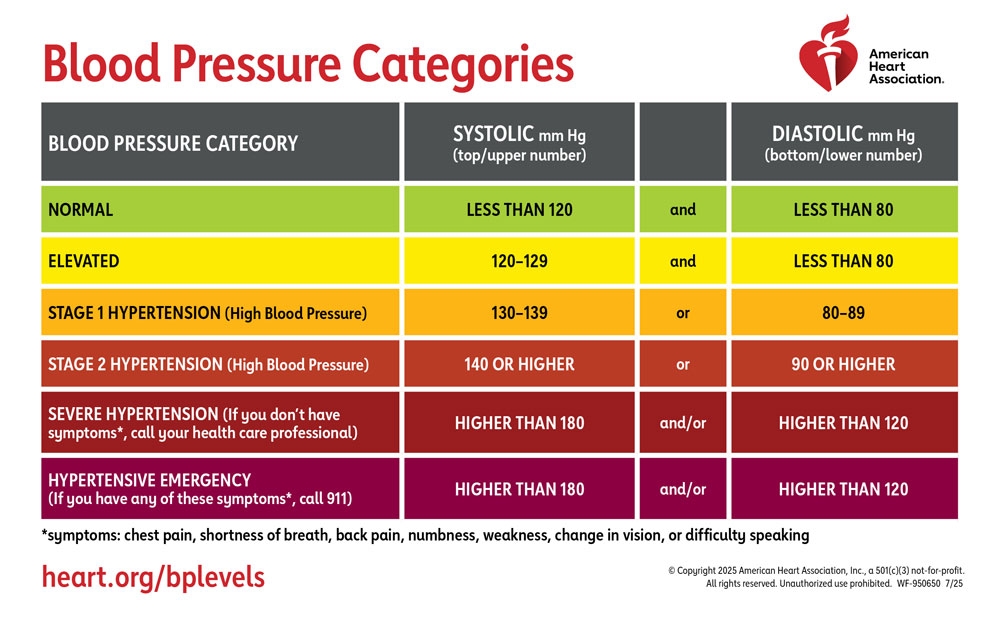
Hypertension is often called the “silent killer” because it typically produces no symptoms. According to the research, it quietly damages blood vessels and the heart, which can lead to heart failure, kidney problems, strokes, and heart attacks.
How do different drink choices impact long-term health?
The Circulation study found that the risk of high blood pressure increases based on the volume of sugary drinks consumed. While one large 12-ounce glass daily is tied to a 35% higher risk, the risk rises to 52% for those drinking two or more servings of sugary drinks daily.
Researchers found that simple dietary swaps can lower these risks. Switching from sugary drinks to whole fruit dropped the risk of high blood pressure by 22%, while swapping juice for whole fruit reduced it by 19%. Replacing juice with water or milk lowered the risk by 13%.
What are the official recommendations for children’s drinks?
The American Academy of Pediatrics recommends that parents keep juice consumption to a minimum and prioritize whole fruit. While 100% fruit juice contains vitamins and minerals, it does not provide more benefit to a child than an actual piece of fruit.
Dr. Vasanti Malik, the lead scientist on the study, stated that what children eat and drink shapes their health for life. The research indicates these risks exist even for children who maintain a healthy lifestyle through exercise and diet.
What may happen if dietary habits change?
Reducing juice from a daily staple to an occasional treat could potentially lower a child’s risk of developing hypertension. Parents who prioritize water or low-fat milk over sugary beverages may help decrease the likelihood of future heart and blood vessel damage.

Increased caution regarding labels could also impact health outcomes. Because “fruit drinks” contain more added sugars than “fruit juice,” avoiding these specific products may further reduce sugar intake in children.
Frequently Asked Questions
How much fruit juice is linked to a 35% increase in hypertension risk?
According to the study, drinking one large glass, or approximately 12 ounces, of fruit juice daily is tied to this increase.
What is the difference between fruit juice and fruit drinks?
The source states that beverages labeled as “fruit drink” contain more added sugars than those labeled as “fruit juice.”
Why is whole fruit preferred over juice?
Whole fruit contains fiber that slows down sugar absorption, a component that is missing in fruit juice.
Do you prioritize whole fruit or juice in your family’s morning routine?