
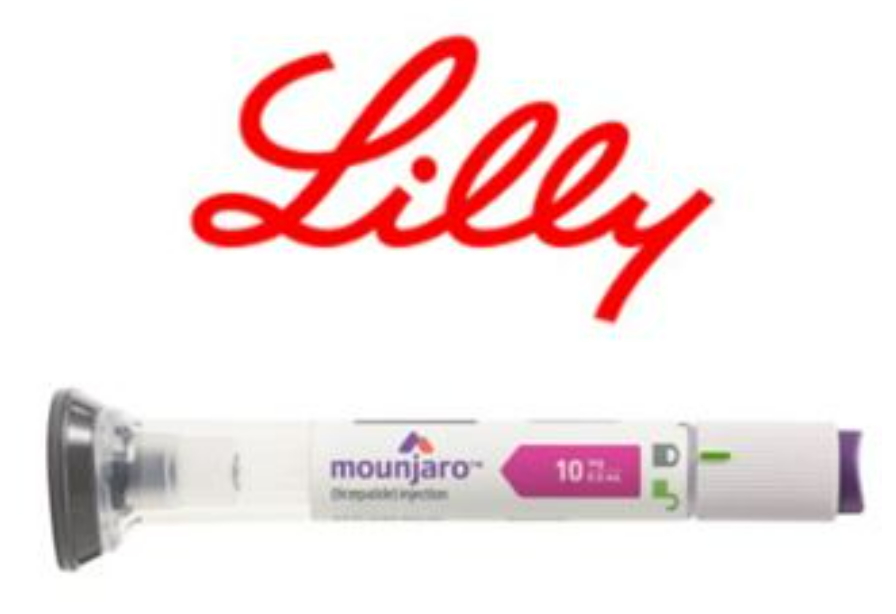
High-Dose Mounjaro Launches in Korea for Obesity and Type 2 Diabetes
New high-dose formulations of the weight-loss and diabetes medication Mounjaro are set to launch in South Korea. This expansion provides additional options for patients who have struggled to reach their therapeutic goals using existing lower dosages.
Lilly Korea announced on June 1 that the 12.5mg and 15mg single-use prefilled pens of Mounjaro (tirzepatide) will be released on June 10. This move allows healthcare providers to utilize a broader range of dosing options, extending beyond the previous low and medium doses.
A Dual-Action Approach to Metabolic Health
Mounjaro operates as a dual agonist, targeting both glucagon-like peptide-1 (GLP-1) and glucose-dependent insulinotropic polypeptide (GIP) receptors. These incretin hormones are naturally released after eating and play critical roles in regulating blood sugar, appetite, and weight.
By stimulating both pathways, the medication works to lower blood glucose levels while simultaneously increasing the feeling of fullness. In South Korea, the drug is approved for the improvement of glycemic control in adults with type 2 diabetes, whether as a monotherapy or in combination with other treatments.
Clinical Evidence and Weight Loss Results
The efficacy of the higher doses has been documented in global clinical trials. In the SURMOUNT-1 study involving adults with obesity, the 72-week weight reduction rates varied by dose: 16% for the 5mg group, 21.4% for the 10mg group, and 22.5% for the 15mg group.

This indicates that patients on the 15mg dose lost, on average, more than one-fifth of their total body weight. Similarly, the SURPASS clinical program for type 2 diabetes showed that Mounjaro outperformed control groups in reducing HbA1c levels regardless of the dose.
According to the data, up to 62% of patients reached a normal HbA1c level of less than 5.7%, and up to 69% of patients achieved a weight reduction of 10% or more.
Impact on Obstructive Sleep Apnea
The medication also showed significant results in the SURMOUNT-OSA study. Over 52 weeks, the 10mg and 15mg doses reduced the apnea-hypopnea index—a measure of how often breathing stops or becomes shallow during sleep—by up to 58.7%.
In comparison, the placebo group showed a maximum reduction of only 2.5%.
Strategic Implementation and Patient Safety
The availability of 12.5mg and 15mg doses means that treatment strategies for chronic conditions like obesity and type 2 diabetes may become more flexible. Because these are long-term managed diseases, a gradual dose adjustment strategy is considered essential.
However, high-dose formulations are not intended for all patients immediately. Dose increases must be determined by medical professionals after evaluating a patient’s weight, blood sugar levels, history of treatment, comorbidities, and gastrointestinal reactions.
John Bickel, CEO of Lilly Korea, stated that the launch of the 12.5mg and 15mg doses “can be a new option for patients who have difficulty achieving treatment goals.” He added that the company would work to ensure a stable supply for patients in need.
Future Outlook
The introduction of these doses could lead to a higher percentage of patients reaching their target weight or glycemic levels. It is likely that medical providers will implement more customized titration schedules to optimize results while minimizing adverse effects.
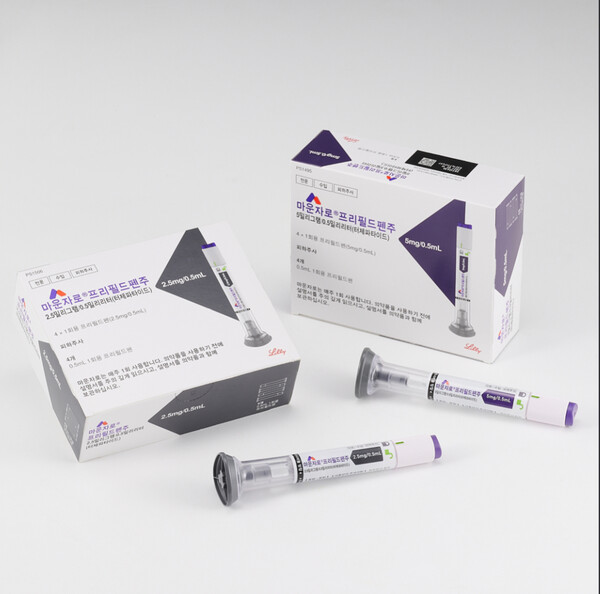
As these options become available, the clinical focus may shift toward identifying which specific patient profiles benefit most from the 15mg dose compared to the 12.5mg or lower options.
Frequently Asked Questions
When will the high-dose Mounjaro pens be available in South Korea?
The 12.5mg and 15mg single-use prefilled pens are scheduled for release on June 10.
What was the average weight loss for the highest dose in clinical trials?
In the SURMOUNT-1 study, patients administered the 15mg dose saw an average weight reduction of 22.5% over 72 weeks.
Can Mounjaro be used for conditions other than diabetes and obesity?
Yes, it is approved as a supportive therapy for adults with obesity who have moderate to severe obstructive sleep apnea, to be used alongside diet and exercise.
How do you think personalized dosing in weight-loss medication will change the approach to treating chronic obesity?