
Hiking the Brewster Glacier: A Hidden Gem in New Zealand
The Brewster Glacier in New Zealand’s Mount Aspiring National Park serves as a critical reference point for climate research due to its rapid response to weather shifts and seasonal snow accumulation, according to travelers Boróka Szőcs and Gergő Vizeli. The glacier is accessible via a challenging trek that involves river crossings and off-trail alpine navigation.
Why is the Brewster Glacier a focal point for research?
Researchers frequently use the Brewster Glacier as a benchmark to study changes across other New Zealand glaciers. Szőcs and Vizeli report that the glacier’s mass balance and seasonal fluctuations are highly measurable, making it a sensitive indicator of environmental changes.
While New Zealand hosts over 3,000 glaciers, Brewster’s specific reactivity to weather patterns provides data that more stable or less accessible ice masses might not offer as clearly.
How does Brewster compare to New Zealand’s famous glaciers?
Most tourists visit the Franz Josef, Fox, or Tasman glaciers, but Szőcs and Vizeli found the Brewster Glacier provided a more impactful experience. They noted that while many famous glaciers require helicopters or professional mountaineering equipment for close access, Brewster can be approached via foot, albeit through difficult terrain.
The authors contrasted their experience with other sites they visited, including the Hooker, Mueller, Earnslaw, Rob Roy, Bonar, and Volta glaciers. They identified Brewster as their top single-day excursion despite its lower profile among general tourists.
What are the physical demands and risks of the trek?
The official trail leads to the Brewster hut, a 10-kilometer round trip with an elevation gain of 1,000 to 1,100 meters. According to the travelers, the terrain consists of wet rocks, mud, roots, and steep climbs.
The River Crossing
A primary obstacle is a river crossing measuring 20 to 40 meters wide. Szőcs and Vizeli warn that depth varies by season; while knee-deep in dry summer weather, it can become waist-deep with a fast current after rainfall or snowmelt. They emphasize that the river can flood within hours, potentially trapping hikers.
Off-Trail Hazards
The section from the Brewster hut to the glacier is not a marked trail. It requires navigating alpine moraines and rocky areas where snow and ice persist even in summer. Szőcs and Vizeli state that several fatal accidents have occurred on the slippery rock faces during the descent to the glacier in recent years.
What can hikers expect at the glacier’s edge?
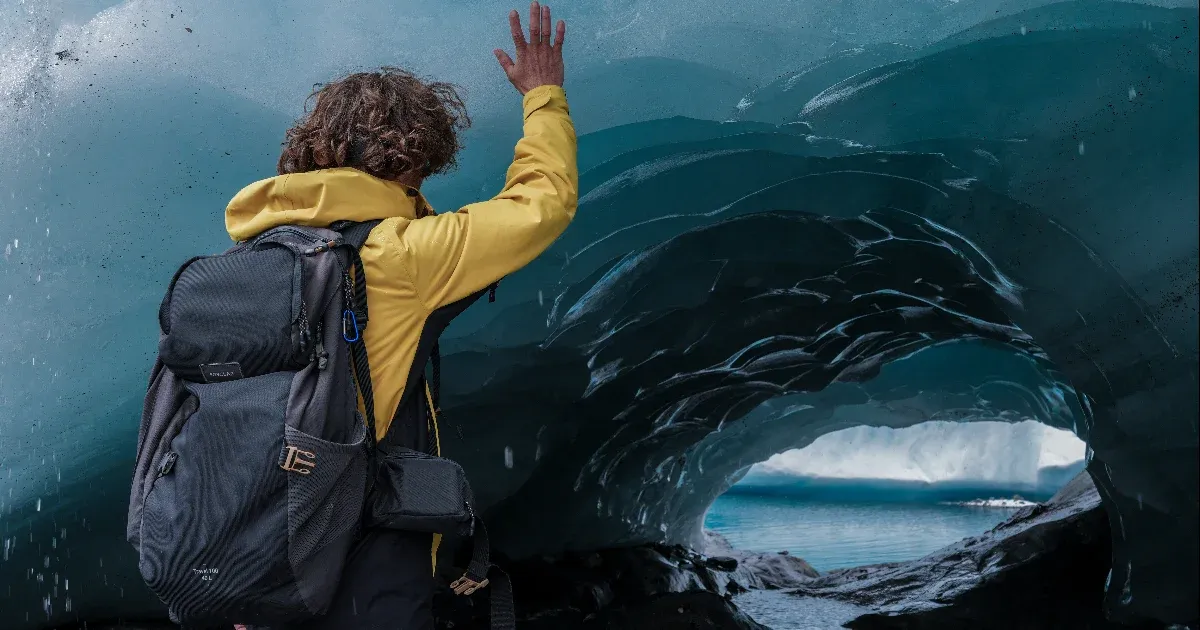
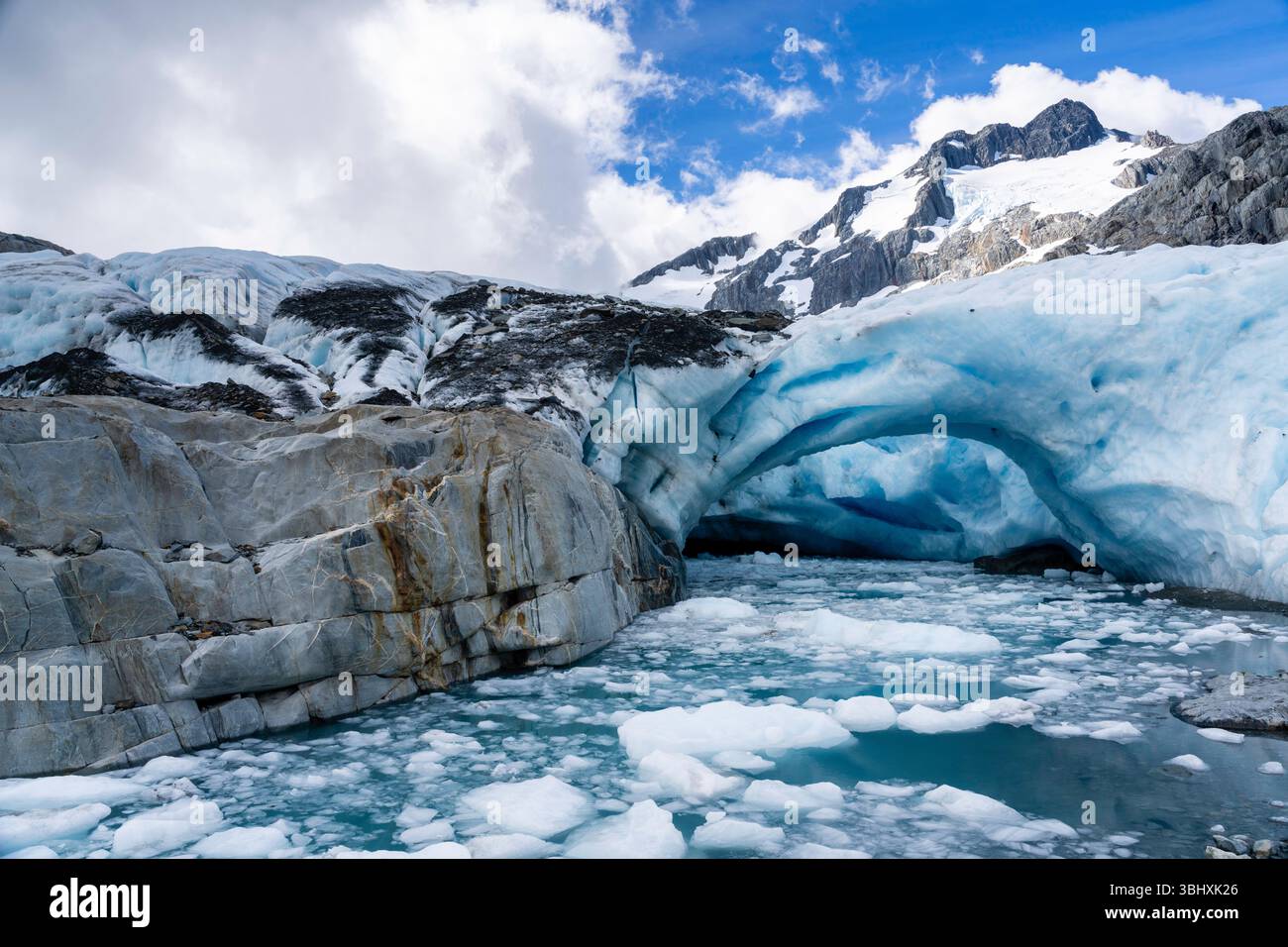
Upon reaching the glacier, hikers find bright blue glacial lakes containing floating icebergs and natural ice caves. However, the authors warn that the summer melt makes the area dangerous. During their visit, they reported hearing loud crashes as massive ice edges broke off.
Wildlife encounters are common in this region. Szőcs and Vizeli documented sightings of the Kea, the world’s only mountain parrot, which they described as loud, curious, and friendly birds that accompanied them back toward the hut.
Why this expedition matters for sustainability
The journey was conducted as part of a larger mission by the Biomimetika Educational and Innovation Association. Szőcs and Vizeli are traveling through Australia, New Zealand, and Southeast Asia to identify nature-inspired, sustainable solutions. Their visit to the Brewster Glacier highlights the intersection of extreme natural beauty and the fragility of glacial ecosystems.
Frequently Asked Questions
How long is the hike to the Brewster hut?
The round trip from the parking lot to the hut is 10 kilometers.
Is professional gear required for the Brewster Glacier?
The authors completed the trek without technical mountaineering equipment, but only under summer conditions. Off-trail sections involve alpine terrain and ice.
What is the elevation gain for the trek?
The ascent to the hut involves a climb of 1,000 to 1,100 meters.
Interested in sustainable exploration? Share your thoughts on nature-inspired innovation in the comments below or subscribe to our newsletter for more field reports from the edge of the world.