
Holidaying In The Highlands: Tourists Weigh Up Bedugul Or Kintamani For Bali’s Cool Air Escapes
Travelers in Bali are increasingly looking toward the island’s central highlands as an alternative to the crowded southern beaches and the cultural hub of Ubud. Regions like Bedugul and Kintamani offer cooler climates, volcanic landscapes, and agricultural centers that remain accessible to travelers on a budget of approximately $60 to $80 per day. These mountainous areas provide a distinct departure from coastal tourism, focusing on natural scenery and outdoor activities.
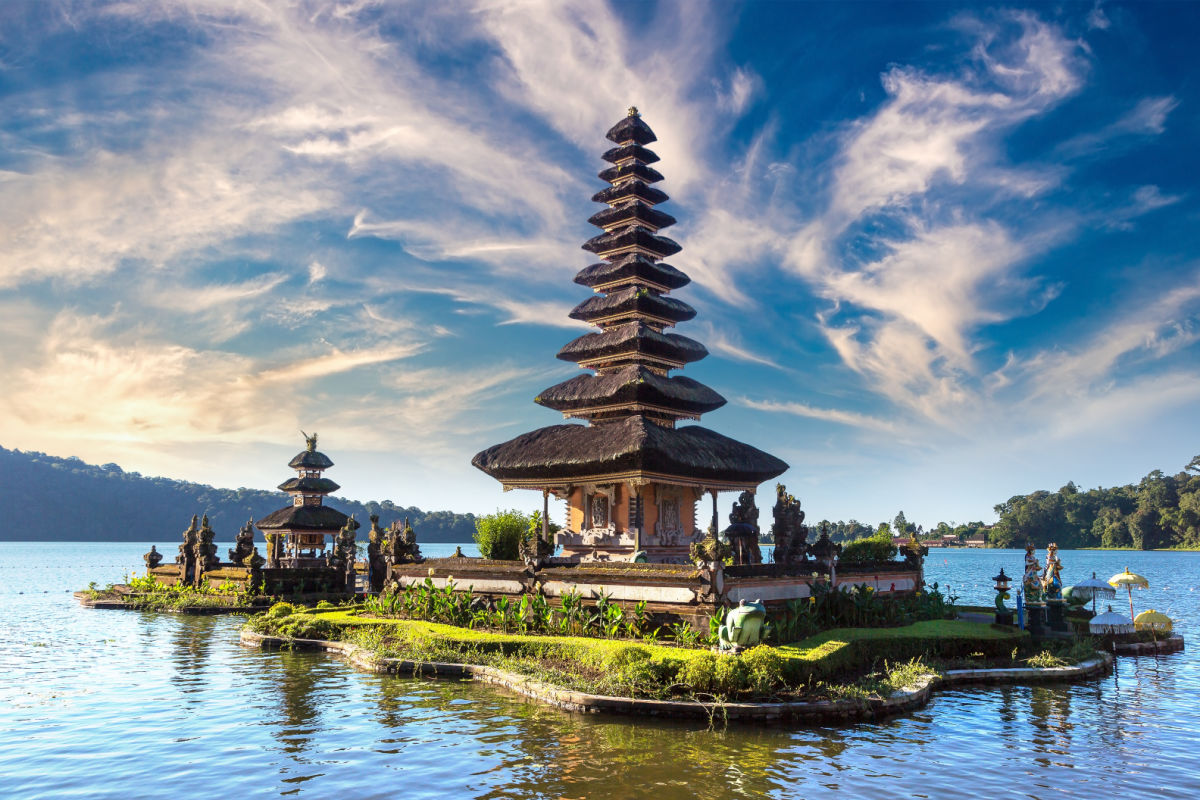
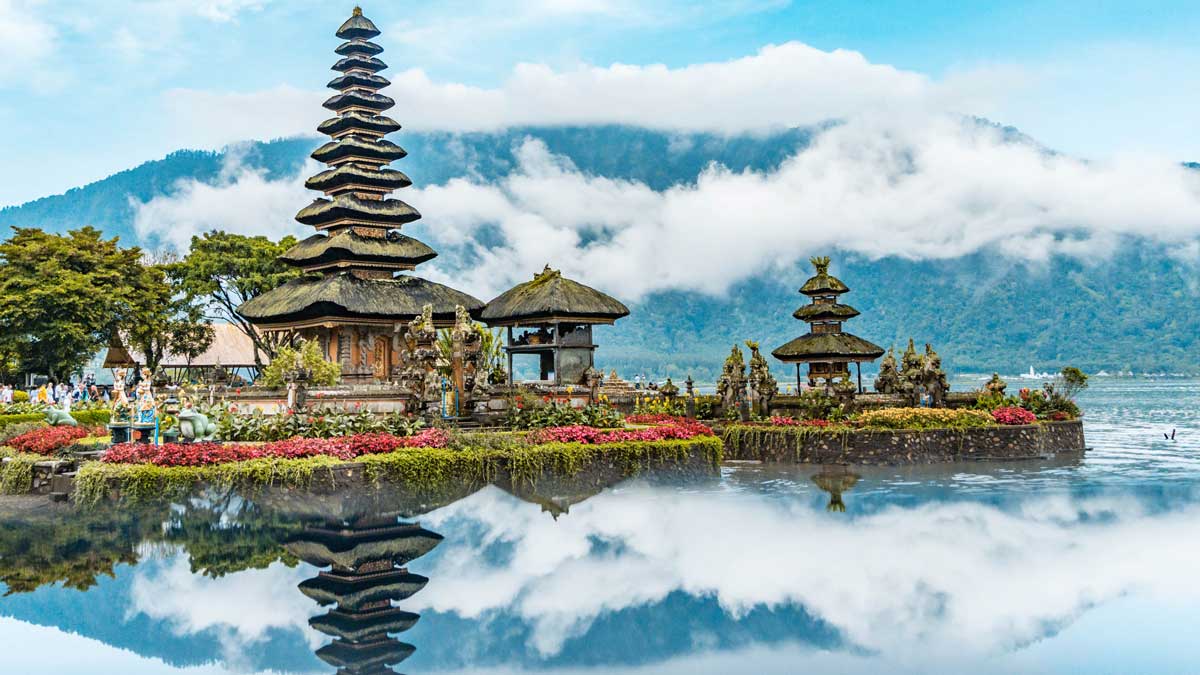
Did You Know? The Pura Ulun Danu Beratan temple, located in the lakeside region of Bedugul, is considered iconic enough to be featured on the Indonesian 50,000 rupiah banknote.
Exploring the Lakeside Region of Bedugul
Bedugul serves as a primary agricultural hub for Bali, known for its cooler temperatures and strawberry production. The area centers around Lake Beratan, home to the Pura Ulun Danu Beratan temple. According to local travel reporting, the region offers a quieter pace of life with botanical gardens and access to the “Twin Lakes” of Buyan and Tamblingan.
Accommodation in 2026 remains affordable, with guesthouses near Candikuning typically ranging from $15 to $25 per night. For those seeking more unconventional lodging, glamping sites and eco-pods near the lake are available for around $30. Dining options are primarily centered around local warungs and the Candi Kuning Market, where meals like Ayam Betutu cost between $3 and $6.
The Volcanic Landscape of Kintamani
Kintamani is defined by the active Mount Batur volcano and the surrounding caldera. It serves as a major destination for sunrise trekking, a popular activity that involves climbing to the summit to view the sunrise over Mount Rinjani on the neighboring island of Lombok. The region has seen an increase in boutique villa and cabin-style accommodations, though guesthouses in Penelokan and Toya Bungane remain available for $18 to $35 per night.
/mount-batur-at-sunrise--bali--indonesia-722224239-3300fc8429e54365967357c040f7ba9e.jpg "The Volcanic Landscape of Kintamani")
Visitors to Kintamani often frequent viewpoint cafes along the caldera rim, where Nasi Campur is available for $4 to $8. A regional specialty, Mujaer Nyat-Nyat—a spiced tilapia dish sourced from Lake Batur—is commonly served. After physical activity, travelers may access the Batur Natural Hot Springs for an entry fee of approximately $12.
Expert Insight: Samantha Carter notes that the shift toward the highlands represents a practical trade-off for travelers. While the coast offers convenience and infrastructure, the mountains provide a unique microclimate and lower entry costs for nature-based experiences. However, the reliance on pre-arranged private drivers for transit suggests that the highlands require more logistical foresight than the app-driven mobility common in southern Bali.
Logistics and Travel Planning
Navigating the highlands requires more preparation than urban areas, as ride-hailing apps like Grab and Gojek are less reliable in the mountains. Hiring a private driver for an eight-hour trip typically costs between $35 and $50. Travelers should also account for entry fees, such as $5.00 for Pura Ulun Danu Beratan and $3.50 for the Kintamani caldera viewpoint.
Preparation for the highlands differs from coastal trips due to the mountain chill. Temperatures at the summit of Mount Batur can drop to 10°C before dawn, necessitating the use of light jackets and sturdy footwear. Furthermore, while larger establishments accept credit cards, many local markets and warungs operate on a cash-only basis. Visitors are advised to withdraw sufficient Indonesian Rupiah in Ubud or the south before ascending.
What May Happen Next
As tourism continues to grow in Bali, these highlands may see increased development of boutique and eco-friendly lodging options to accommodate the influx of visitors moving away from the southern coast. If the current trend of “highland loop” itineraries continues, travelers could see more formalized transport services between Bedugul and Kintamani. However, the region is likely to maintain its slower pace of life, known locally as “jam karet” or “rubber time,” as the infrastructure remains geared toward natural exploration rather than mass-market tourism.

Frequently Asked Questions
What is the best way to travel between attractions in the highlands?
The most practical method is hiring a private driver for the day, which costs between $35 and $50 for an eight-hour trip, as ride-hailing apps are less reliable in mountain regions.
What kind of clothing should I pack for the highlands?
Because temperatures drop significantly at night and at higher altitudes, visitors should pack a light jacket, long trousers, and sturdy walking shoes.
Are credit cards widely accepted in Bedugul and Kintamani?
No, while some larger hotels and cafes accept cards, most small warungs, market stalls, and entry gates are cash-only; it is recommended to carry sufficient Rupiah.
Would you prefer to spend your vacation days trekking a volcanic peak or relaxing in a lakeside botanical garden?