
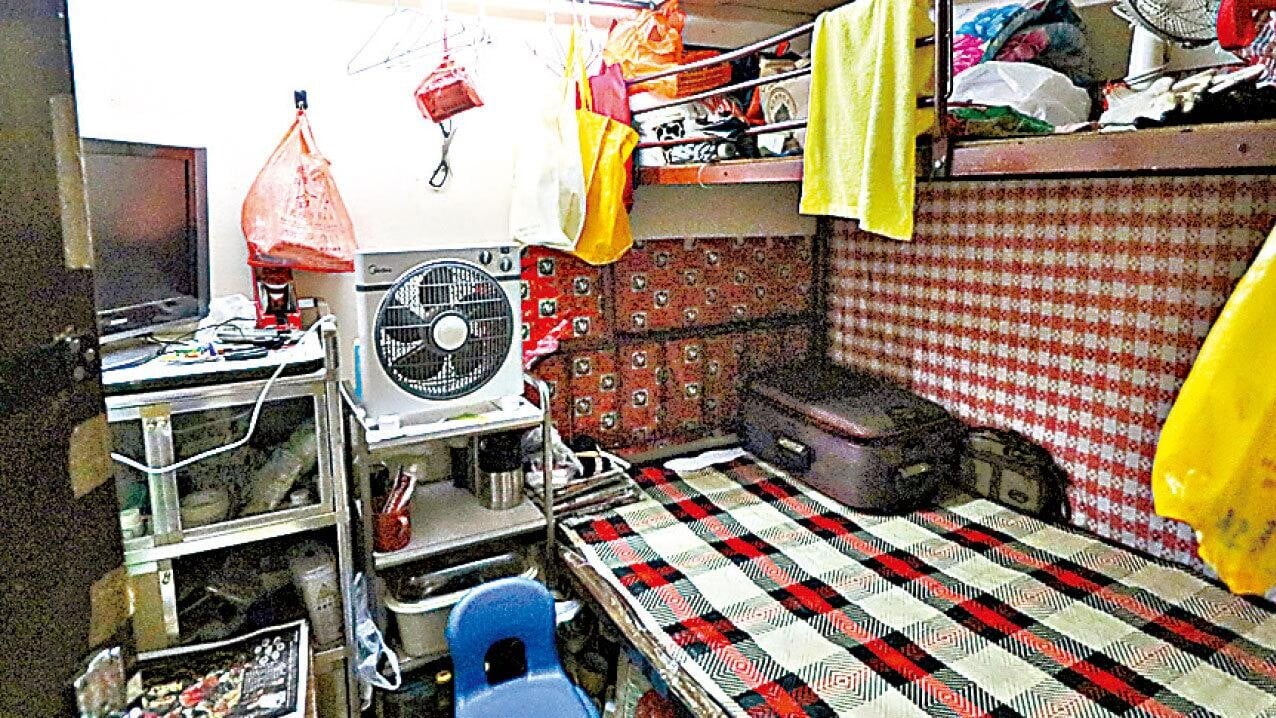
Hong Kong Simple Housing Ordinance: Legalizing Subdivided Flats and Rent Concerns
The “Simple Housing Ordinance” officially took effect on March 1, 2026, as part of a government initiative to eliminate substandard subdivided flats and improve overall living environments. By implementing strict requirements for unit area, hygiene conditions and fire safety facilities, the government aims to formalize and upgrade the quality of low-cost housing.
The Financial Burden of Legality
While the ordinance is intended to protect residents, the cost of compliance is expected to drive up rental prices. Because the requirements for Simple Housing are more stringent than those of traditional subdivided flats, operational costs for landlords will inevitably rise.
Industry estimates suggest that renovation costs—ranging from 25,000 to 51,000 per unit depending on the existing layout—could lead to an average rent increase of approximately 20 per square foot. This price hike may place a significant financial burden on grassroots tenants.
Investment Shifts and Market Hurdles
Despite the legalization of these units, professional investors are showing a preference for student dormitories over Simple Housing. This trend is attributed to the government’s long-term policy on the industrialization of education, which is expected to keep the number of overseas students increasing.
Simple Housing is viewed by some as a temporary measure. There are concerns that once public housing supply becomes sufficient, the government may consider the mission of Simple Housing complete and move to phase them out.
Market conditions are also hindering adoption. With strong residential demand and rising rents, small property owners are often reluctant to sign the long-term leases required by master tenants to operate Simple Housing businesses.
Low Adoption Rates and Enforcement Risks
Early data indicates a lukewarm response to the new regulations. By mid-May, the Housing Bureau had received 3,000 applications involving approximately 11,000 units, representing only a small fraction of the 110,000 existing subdivided flats.

Industry observers worry that some operators may intentionally delay registration to exhaust the grace period without actually performing the required upgrades. If this occurs, the resulting shortage of certified Simple Housing could make strict enforcement difficult when the final deadline arrives on March 1, 2030.
Frequently Asked Questions
What is the primary goal of the Simple Housing Ordinance?
The goal is to improve the living environment of existing subdivided flats and eliminate substandard units by enforcing standards for area, hygiene, and fire safety.
What are the expected renovation costs for owners?
According to sample units displayed by the Housing Bureau, renovation costs are estimated between 25,000 and 51,000 per unit, depending on the original layout.
What happens if a unit is not certified by March 1, 2030?
Units that fail to obtain government certification by this date will be considered illegal and subject to strict enforcement actions.
Do you believe the trade-off between higher living standards and increased rent is fair for low-income tenants?