
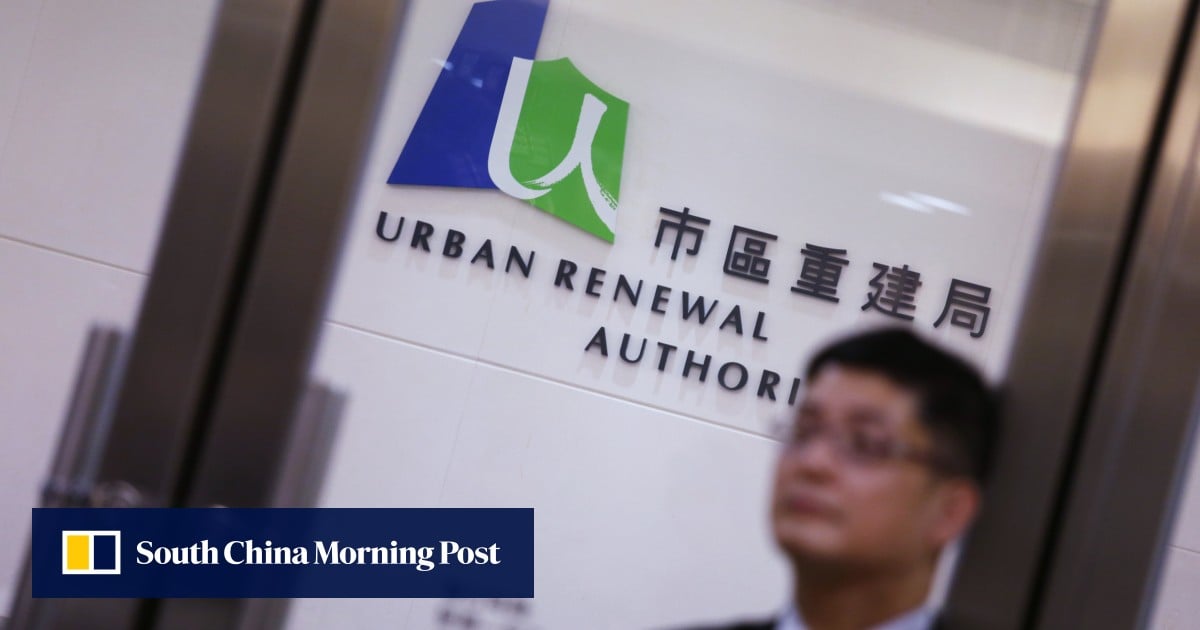
Hong Kong Urban Renewal Authority to Help 40 Housing Estates Amid Consultant Investigation
The Hong Kong Urban Renewal Authority (URA) is helping 40 housing estates hire independent reviewers to replace Will Power Architects after a deadly fire at Wang Fuk Court killed 168 people. The URA will facilitate “transitional” services to assess unpaid work costs and draft new tender documents to avoid lengthy delays in critical maintenance.
Why is the Urban Renewal Authority intervening in these 40 estates?
The URA announced Tuesday that it will launch tenders to help 40 estates hire temporary reviewers because their original consultant, Will Power Architects, is “extremely unlikely” to continue supervisory duties. These estates had already begun maintenance work under the firm’s guidance before the company came under investigation.
According to the authority, these projects face an urgent need to clarify costs for work already completed but not yet paid. The URA is stepping in to provide a third-party assessment, allowing estates to appoint new consultants without the standard, time-consuming tender and evaluation process.
The Wang Fuk Court tragedy and the fall of Will Power Architects
The crisis stems from a catastrophic blaze at Wang Fuk Court, which resulted in 168 deaths. The estate was undergoing large-scale renovation under the supervision of Will Power Architects at the time of the fire.
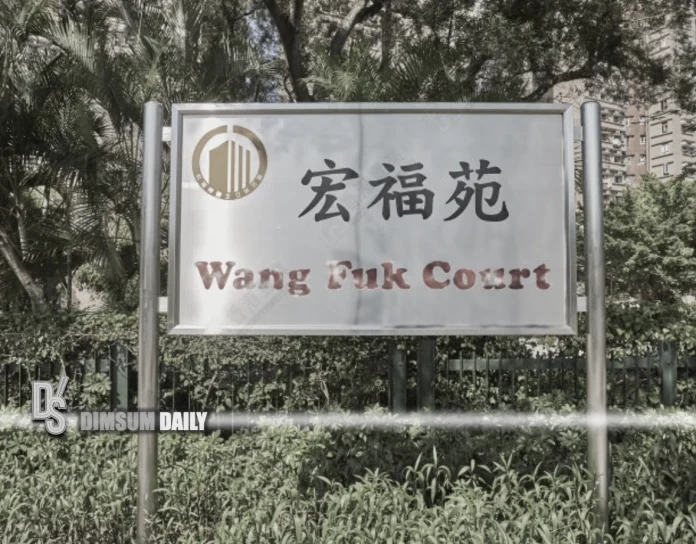
Following the disaster, directors of Will Power were arrested, and the company reportedly stopped operating. This collapse left 40 other projects without professional supervision, creating a systemic risk for building safety and financial liability across multiple estates.
How this changes the future of building maintenance supervision
The URA’s move toward “transitional” independent reviewers suggests a shift in how Hong Kong will handle consultant failures. Traditionally, replacing a firm meant starting a full tender process from scratch, which could take months. This new model prioritizes speed to ensure safety works don’t stall.
Shift toward mandatory third-party audits
Industry patterns indicate a move toward more frequent, independent audits of maintenance projects. Rather than relying solely on a single appointed consultant, authorities may require “shadow” reviewers to verify work progress and safety compliance in real-time.
Stricter financial and legal vetting
The “urgent need to clarify completed yet unpaid work” cited by the URA highlights a gap in financial transparency. Future trends likely include stricter requirements for professional indemnity insurance and the use of escrow accounts to ensure funds are tied to verified milestones, reducing the risk when a firm collapses.
/industry-wired/media/media_files/2026/02/27/anil-ambanis-mumbai-home-seized-by-ed-amid-investigation-2026-02-27-13-21-26.jpg "Stricter financial and legal vetting")
The rise of digital project tracking
To avoid the current chaos of auditing “unpaid work costs,” the industry is moving toward cloud-based project management. This allows estate owners to see verified completions instantly, rather than relying on a consultant’s final report to determine payment.
Common Questions About URA Transitional Services
Who pays for the independent reviewers?
The URA is assisting the 40 estates in the hiring process to ensure a professional third-party assessment is conducted quickly.
Why can’t the estates just hire a new consultant immediately?
According to the URA, standard tenders and evaluations take “considerable time.” The transitional reviewer acts as a bridge to settle existing costs and prepare the necessary documents for a permanent replacement.
Are other estates under Will Power Architects affected?
The URA specifically identified 40 estates that had already commenced maintenance work and required urgent intervention.
Stay Updated on Urban Safety
Want to know how new building regulations affect your property? Subscribe to our newsletter for the latest reports on Hong Kong urban renewal and safety standards.