
How a Small Gulf State Became the Middle East’s Unlikely Diplomat to the US and Iran
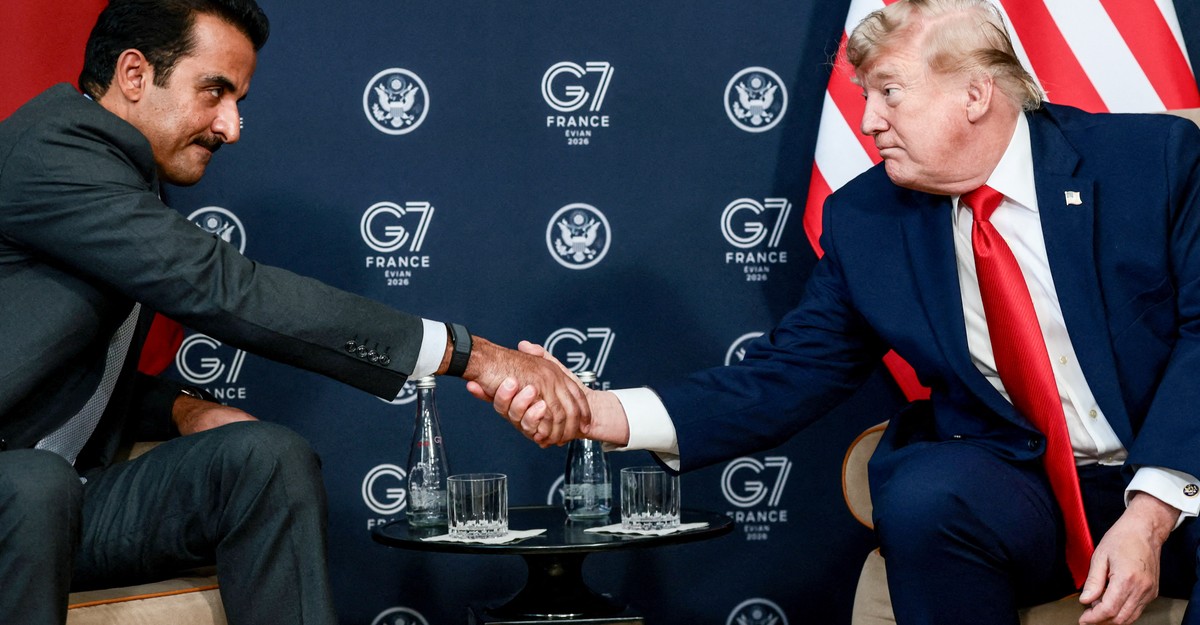
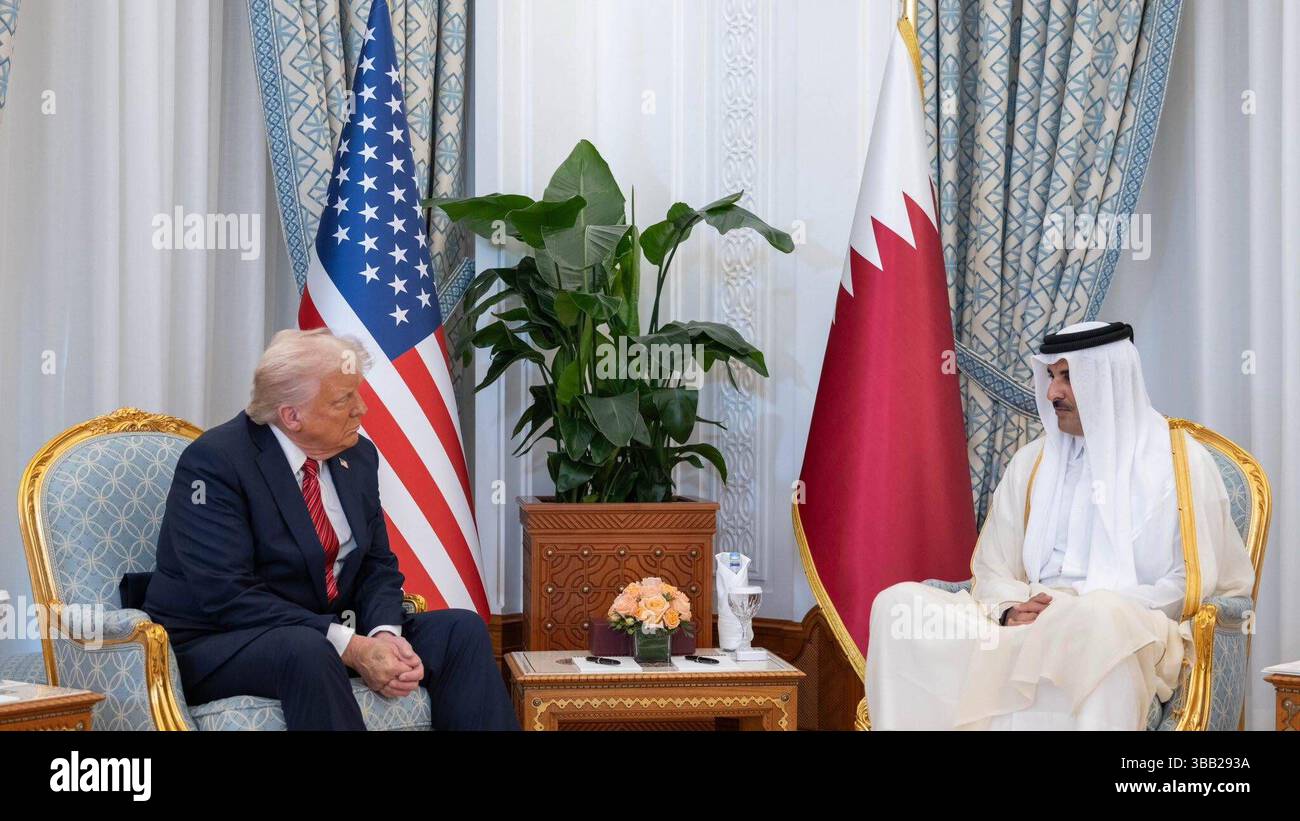
Officials from the United States and Iran plan to sign a tentative memorandum of understanding to end their conflict later this week, with Qatar playing a central role in brokering the deal, according to multiple sources. While Pakistan, Saudi Arabia, Egypt, and Oman were involved in earlier stages of negotiations, U.S. President Donald Trump credited Qatar’s “tough” and “strong” diplomacy during a meeting with Qatari Emir Tamim bin Hamad Al Thani at the G7 summit in Evian, France.
Trump’s remarks overlooked the 100-mile stretch of the Persian Gulf separating Qatar from Iran, but the Gulf nation’s strategic position and economic ties to both countries made it a critical intermediary. Qatar hosts the largest U.S. military base in the Middle East and relies on Iran’s proximity for access to the world’s largest natural gas reserves, which underpin its wealth. The Strait of Hormuz, which Iran has controlled for four months, is also vital for Qatar’s liquefied natural gas exports, which have been halted since the war began.
Qatar’s involvement in the talks began before the conflict escalated, with Qatari officials in Tehran seeking to prevent hostilities. After a stalled ceasefire in April, Washington and Tehran requested Qatar’s assistance in advancing negotiations, according to diplomats. The memorandum reportedly includes sanctions relief for Iran, steps to reduce its nuclear material stockpiles, and measures to reopen the Strait of Hormuz.
Why It Matters
Qatar’s role highlights its unique position as a mediator between U.S. and Iranian interests, leveraging its energy ties and military alliances. The country’s ability to shuttle between Washington and Tehran has made it a key player in Middle East diplomacy, though its relationships with regional rivals like Saudi Arabia and Israel remain contentious. Qatar’s investments in the U.S., totaling $1.2 trillion, further solidify its influence, according to officials.
The deal’s success could mark a turning point in the Iran-U.S. conflict, offering Trump a diplomatic achievement ahead of his re-election campaign. However, its long-term stability depends on Iran’s compliance with nuclear restrictions and the reopening of global shipping routes, which remain uncertain.
What May Happen Next
If the memorandum is finalized, it could ease tensions but may not resolve underlying disputes over Iran’s nuclear program or regional alliances. Analysts suggest Qatar’s continued mediation efforts could depend on its ability to balance U.S. and Iranian interests without alienating other Middle Eastern powers. The deal’s terms, particularly sanctions relief and nuclear safeguards, will likely face scrutiny from Congress and international partners.
Regional dynamics may shift as Qatar’s neighbors reassess their strategies. Saudi Arabia and Israel, which view Qatar’s ties to Iran as a threat, could seek alternative diplomatic channels. Meanwhile, Qatar’s focus on maintaining its global image as a neutral mediator may influence its future engagements in other conflicts.
Frequently Asked Questions
What is the significance of Qatar’s role in the Iran-U.S. deal?
Qatar’s geographic proximity to Iran, energy dependencies, and military alliances with the U.S. made it a key mediator, according to multiple sources.
What does the memorandum include?
The agreement reportedly covers sanctions relief for Iran, steps to reduce its nuclear material stockpiles, and plans to reopen the Strait of Hormuz, according to officials.
Why is Qatar’s investment in the U.S. notable?
Qatar’s $1.2 trillion in planned investments aligns with its strategy to strengthen ties with Washington, despite its economic relationships with Iran.
Could Qatar’s mediation efforts reshape Middle East alliances in the long term?