

How A2A is Building a World of Collaborative Agents
The Agent-to-Agent (A2A) protocol enables autonomous AI agents to collaborate and hand off tasks securely without exposing proprietary data. According to the A2A development team, the protocol replaces rigid REST APIs with a dynamic framework that prevents context pollution and allows specialized agents to manage their own internal states and dependencies.
Why is the A2A protocol replacing standard REST APIs?
Standard REST APIs are deterministic and rigid, which limits the fluid nature of autonomous agents. The A2A protocol introduces a “black box” handoff system. This allows an enterprise to assign tasks to a specialized internal agent that maintains its own secure environment, ensuring proprietary logic and sensitive data remain private while delivering high-value output to the requesting agent.
A2A also solves the problem of context pollution. Large Language Models (LLMs) have finite context windows; filling these windows with complex, multi-step dependencies often leads to hallucinations. By using A2A, peer agents handle their own massive dependencies and internal states, keeping the primary agent’s memory clear.
How is A2A scaling protein structure prediction in life sciences?
Predicting a protein’s 3D structure requires petabyte-scale genetic databases and specialized GPU infrastructure. FoldRun, a standalone agentic interface, uses the A2A protocol to manage these complexities. It allows users to integrate tools like AlphaFold, OpenFold, and Boltz-2 into Gemini Enterprise or the Gemini CLI without writing custom glue code.
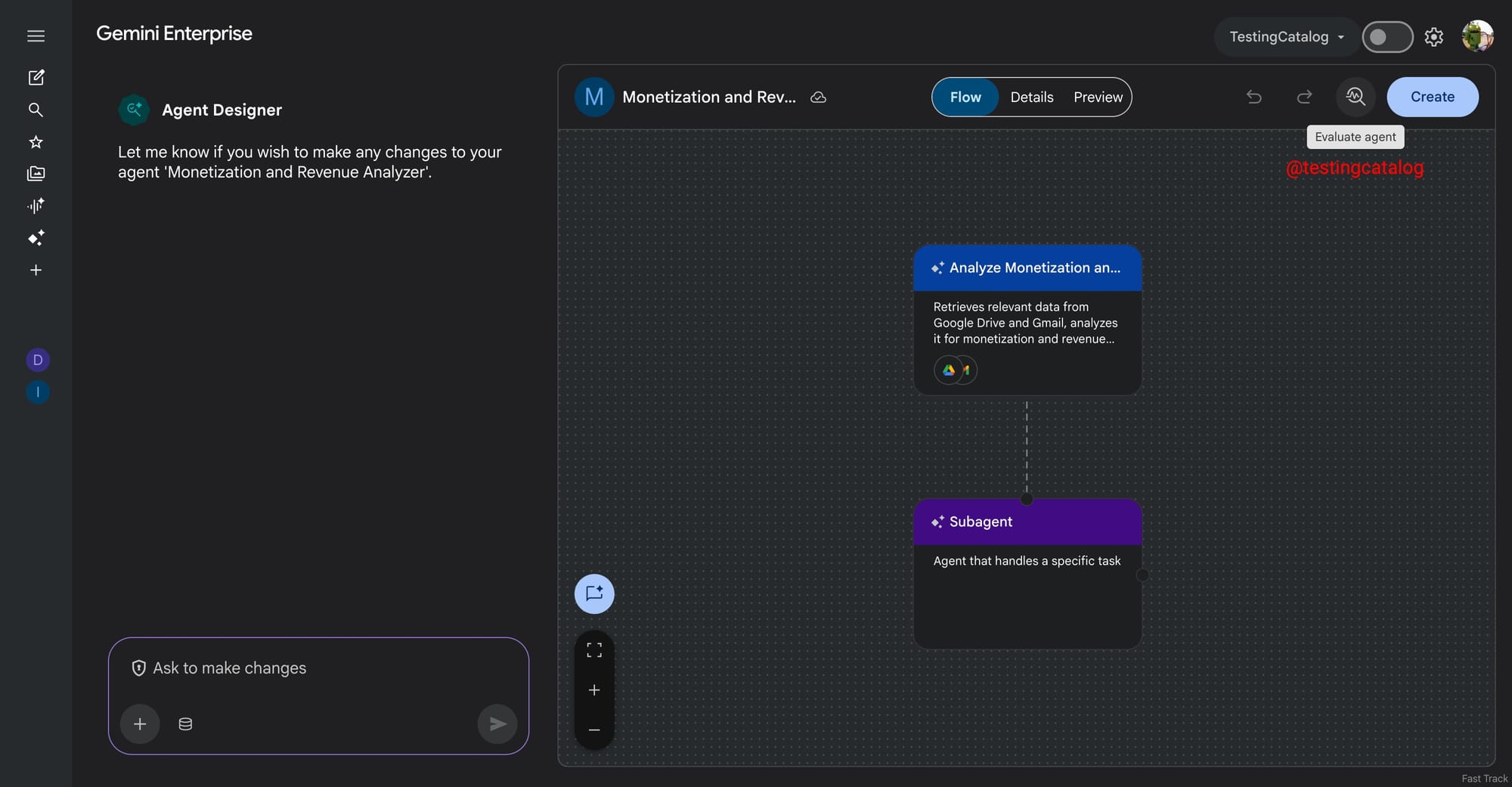
FoldRun autonomously adjusts parameters based on prediction confidence and selects the appropriate model for a specific molecule. BicycleTx, a core design partner, integrated this agentic interface into their workflows to provide scientists with co-folding model capabilities. Richard Hughes of BicycleTx stated that the A2A-based solution made testing and integration with existing workflows significantly easier.
What other industries are adopting agentic collaboration?
Beyond life sciences, the A2A protocol is being applied to several high-stakes sectors to enable “agentic commerce” and autonomous operations:
- B2B Commerce: Developers use A2A for transactional integrity, allowing agents to negotiate deals, verify inventory, and execute purchases securely.
- Enterprise Data: Specialized agents sit at the edge of real-time event streams and databases. They pull insights and trigger workflows only when compliant conditions are met, rather than exposing raw data to a central LLM.
- IT and DevOps: A2A allows cross-platform coordination. For example, an HR agent can hand off role parameters to a DevOps agent, which then autonomously provisions software licenses and repository access across disconnected SaaS platforms.
- Telecom: In regulated networks, A2A is used to implement quantum-safe, end-to-end Message Layer Security (MLS) for autonomous systems.
Current SDK Availability and Technical Specs
The A2A ecosystem is currently expanding through several official SDKs. Python and Go versions have reached 1.0 General Availability (GA). Java is currently in Beta, and .NET is in Preview, both tracking the 1.0 specification. The JavaScript/TypeScript SDK is currently on the stable v0.3 line with 1.0 development in progress.

Frequently Asked Questions
What is the main difference between A2A and a standard API?
APIs are rigid and return data or fail. A2A enables collaboration, allowing the receiving agent to ask clarifying questions and refine the task plan.
How does A2A prevent AI hallucinations?
It prevents “context pollution” by allowing specialized peer agents to manage their own internal state and dependencies, rather than forcing all data into the primary agent’s finite context window.
Is A2A secure for enterprise use?
Yes. It uses a “black box” architecture to encapsulate proprietary data and supports quantum-safe Message Layer Security (MLS) for regulated industries.
Are you building with agentic workflows? Share your experience or ask a question about A2A integration in the comments below.