
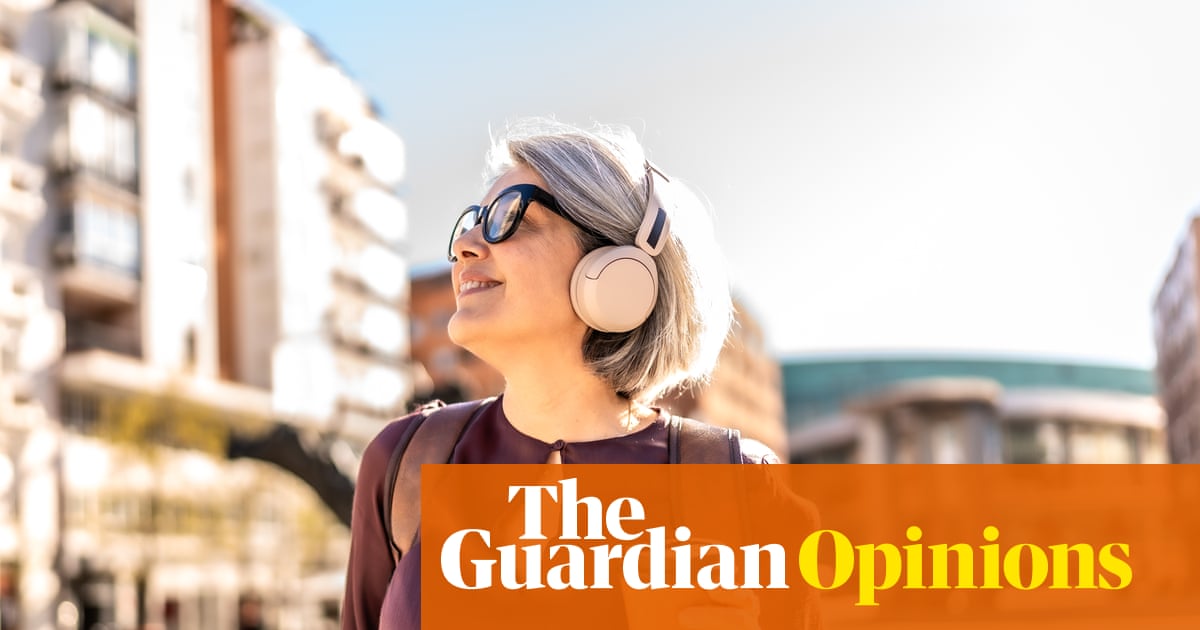
How AI-Powered Headphones Could Target and Eliminate Annoying Noises
Researchers led by Shyam Gollakota at the University of Washington’s Mobile Intelligence Lab are developing machine-learning headphones designed to selectively filter out specific, unwanted sounds. This technology aims to help individuals with misophonia—a condition where certain noises trigger intense physiological or cognitive reactions—by isolating and removing disruptive audio while preserving or enhancing desired environmental sounds.
Research indicates a measurable link between noise levels and public behavior. One study found that in the vicinity of Frankfurt airport, a 1-decibel increase in average noise levels is associated with a 1.6% rise in the violent crime rate.
The Mechanism of Selective Sound Filtering
The headphones function by using machine learning to identify and eliminate irksome audio in real-time. According to Gollakota, the system is intended to allow users to customize their auditory experience based on their own personal triggers. For example, a user could theoretically sit in a public park and effectively mute the sound of loud nearby conversations while keeping the ability to hear birdsong.

This technology focuses on the concept of a personal “sound sniper,” giving the user control over their immediate environment. The potential applications range from blocking common irritants like engine idling or office chatter to filtering out specific repetitive sounds that cause distress for those with misophonia.
The development of this technology highlights a significant shift in how we manage environmental health. By treating sound as a customizable data stream rather than an unavoidable background constant, these researchers are addressing the documented physiological toll of noise exposure. While the current focus is on personal comfort, the implications for stress reduction and mental well-being in noisy urban or travel environments are substantial.
Potential Future Applications
If successfully deployed, this technology could change how people interact with public spaces. A possible next step is the integration of these filters into travel environments, such as long-haul flights, where passengers could eliminate the disruptive phone calls of others to maintain a consistent, soothing soundscape. Analysts expect that the ability to curate one’s own auditory input could provide significant relief for individuals who struggle with sensory overload in crowded or noisy settings.
Frequently Asked Questions
What is misophonia?
Misophonia is a condition in which specific, unwanted noises trigger disproportionate and unpleasant cognitive and physiological reactions in an individual.
How do these headphones work?
The headphones use machine learning to target and eliminate specific audio frequencies while allowing other, more desirable sounds to pass through to the user.
Who is leading this research?
The project is led by Shyam Gollakota of the University of Washington’s Mobile Intelligence Lab.
If you could filter out just one sound from your daily environment, what would it be?