
How AI Reconstructs Restricted NTSB Cockpit Audio From Spectrogram Images
The intersection of artificial intelligence and privacy has introduced a complex challenge regarding the emotional well-being and privacy of those affected by aviation tragedies. In a recent case, the National Transportation Safety Board (NTSB) faced an unprecedented situation where sensitive cockpit audio was digitally reconstructed from public imagery.
The Digital Breach of Privacy
The incident centered on UPS flight 2976, which crashed shortly after takeoff in Louisville, Ky. Last year, resulting in the deaths of 15 people, including all three pilots. While the NTSB is forbidden by law from releasing cockpit voice recordings, the agency had published spectrograms—visual representations of audio frequencies—to help identify a mysterious “high pitch ringing sound” heard during the flight.
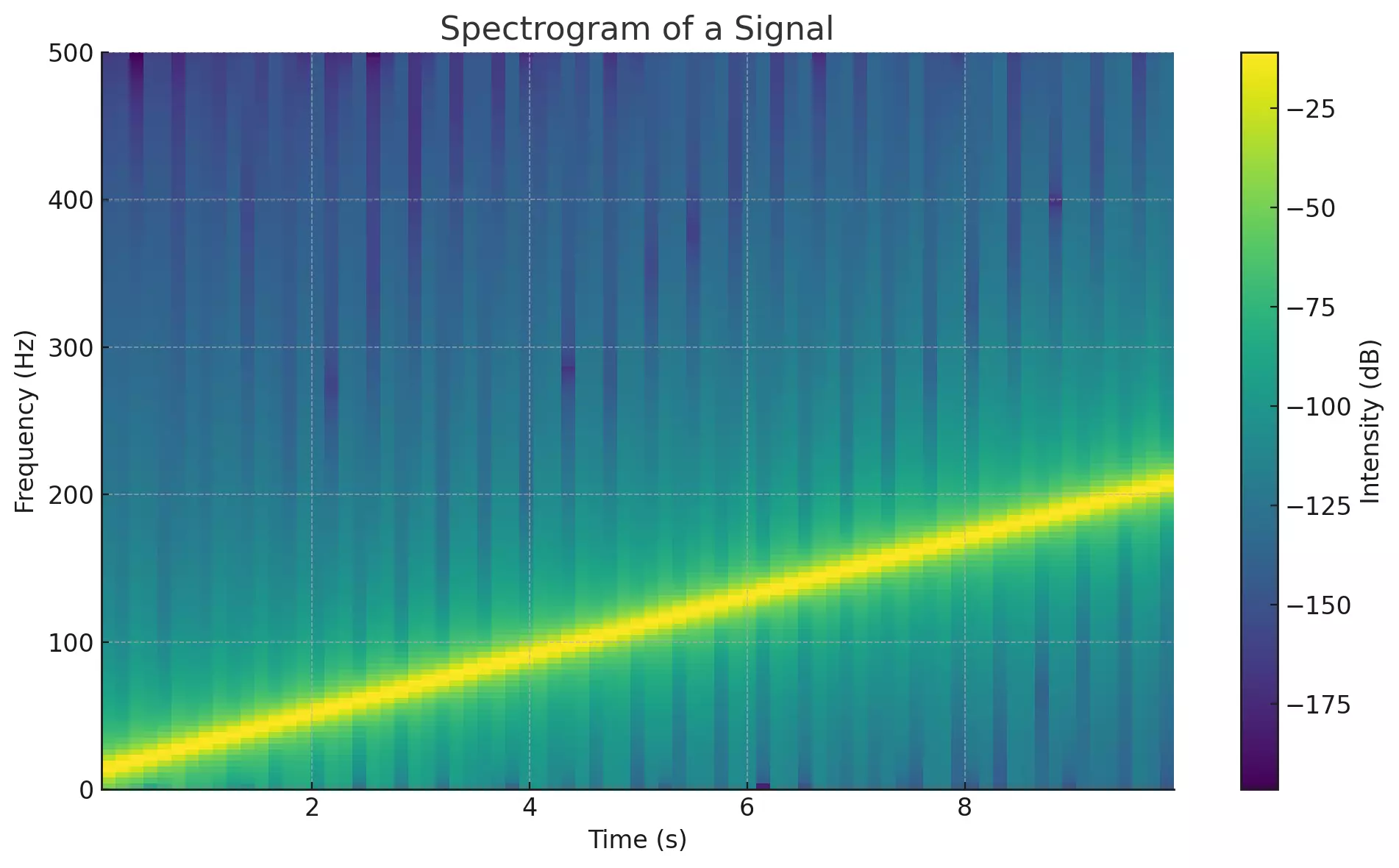
Using existing AI tools, individuals were able to turn these digital images back into audio. John McElhone, who uses AI for computer code, noted that the process took approximately ten minutes. While some reconstructed audio was shared online, others, like engineer and YouTuber Scott Manley, initially speculated about the possibility on social media before the recordings became public.
Psychological Impact and Ethical Stakes
The NTSB responded by temporarily removing public access to thousands of investigation dockets to evaluate additional safeguards. NTSB spokesman Peter Knudson stated that the agency has longstanding procedures to protect sensitive onboard audio and video materials.
The decision to keep these recordings private is rooted in the mental health and dignity of the bereaved. NTSB chair Jennifer Homendy emphasized that these laws exist to protect privacy and out of respect for accident victims and their families during a time of tremendous loss. Homendy described the reconstructed audio posts as “disgusting” and “manipulated.”
The Path Forward for Safety Data
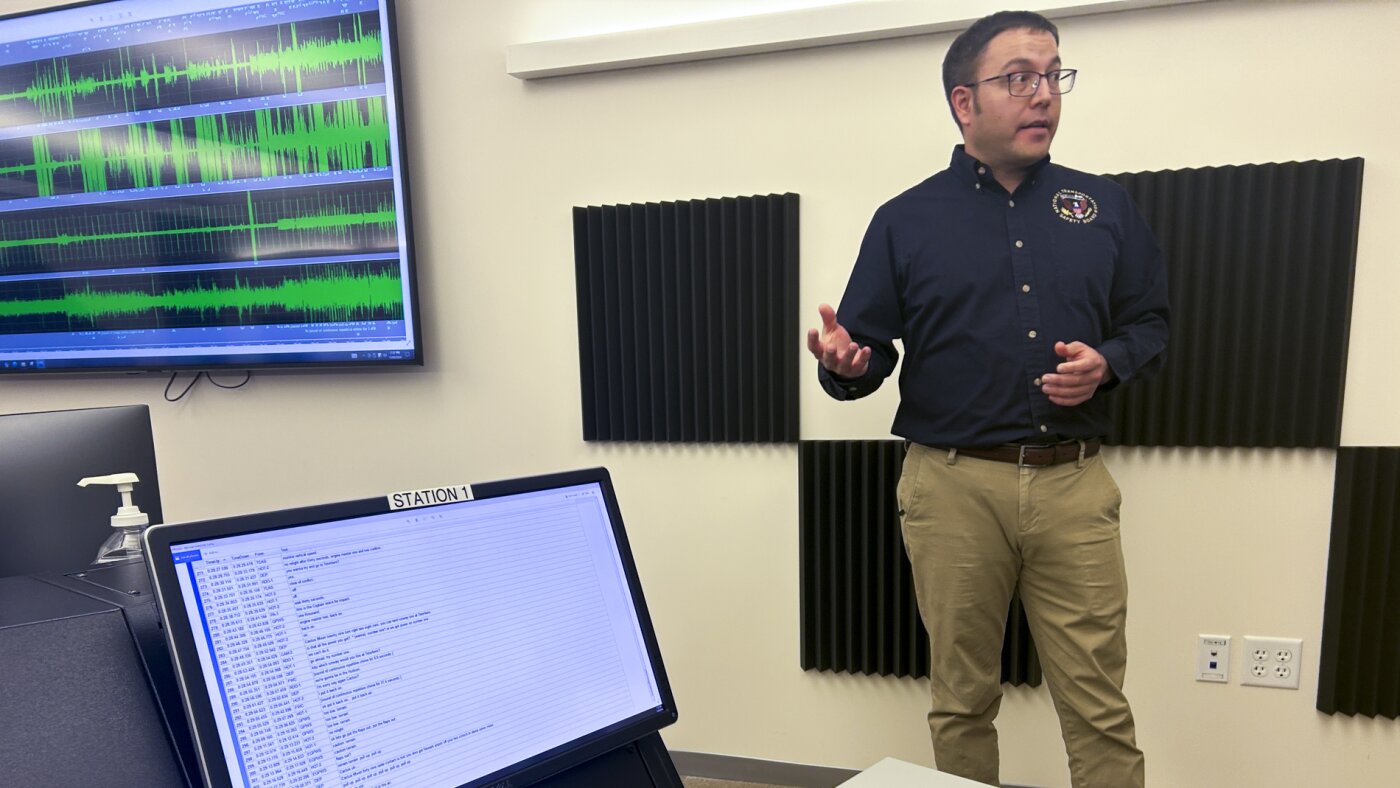
The NTSB has since restored access to most public dockets, including that of UPS flight 2976, though 41 dockets remain under review. The agency continues to analyze audio in soundproofed audition rooms to ensure high-level protection of the original recordings.
Moving forward, the NTSB may implement more stringent safeguards for the types of imagery released to the public. There is a possibility that the agency will continue to urge social media platforms to remove manipulated audio to protect the integrity of investigations and the privacy of victims. Meanwhile, investigators may continue their efforts to identify the source of the unexplained ringing sound from the UPS crash.
Frequently Asked Questions
- Why did the NTSB temporarily pull down its public dockets? The agency removed access to review investigative materials and evaluate safeguards after discovering that AI could reconstruct cockpit audio from sound-spectrum imagery.
- What are spectrograms in the context of these investigations? Spectrograms are visual representations of the frequencies in an audio recording, which the NTSB used to try to identify an unknown ambient sound.
- Why is the release of cockpit voice recordings prohibited by law? The laws are intended to preserve the integrity of investigations, protect privacy, and show respect for victims and their families during their loss.
How should the balance between public safety transparency and the privacy of grieving families be managed in the age of AI?