
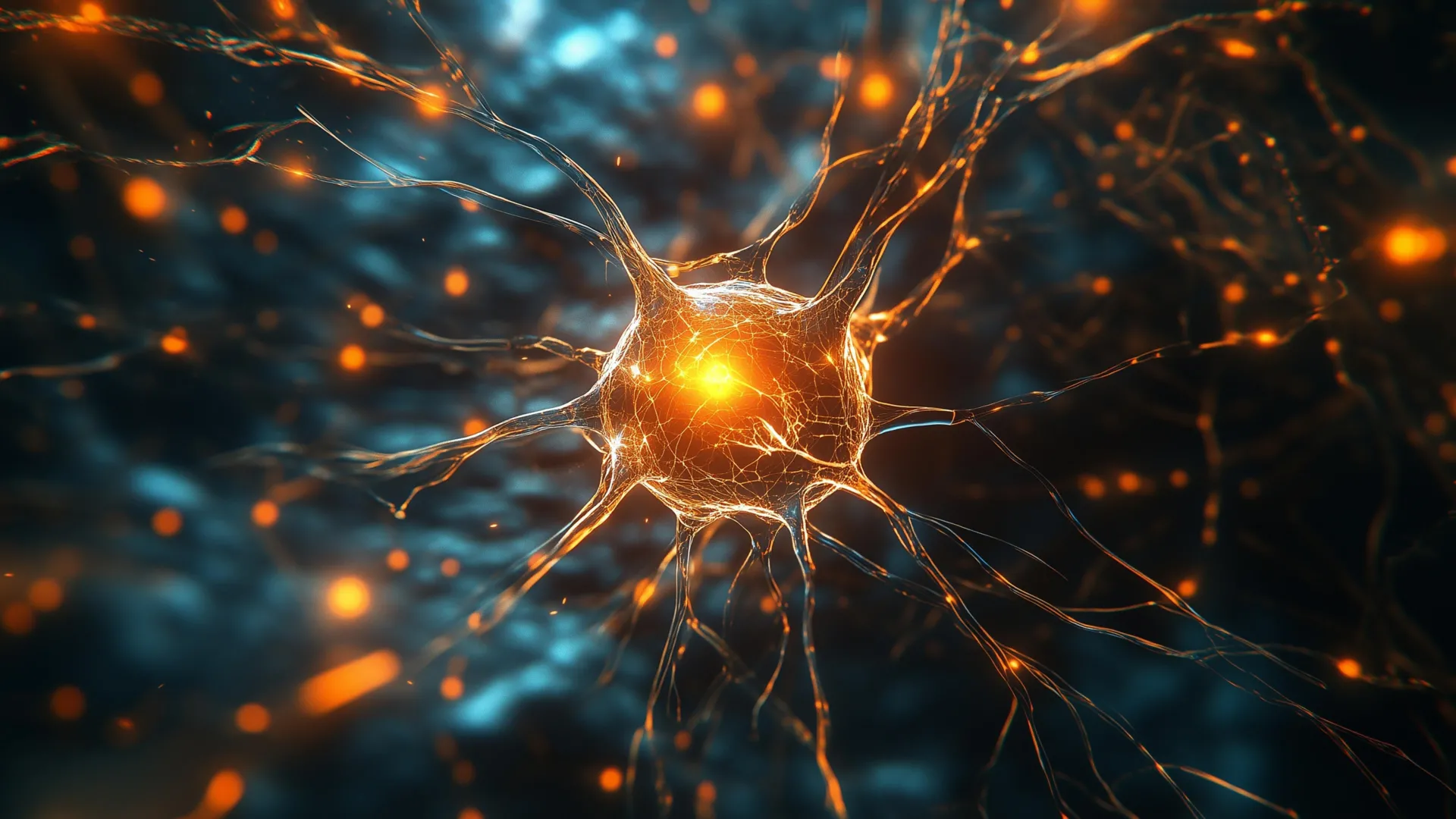
How Amyloid Beta and Tau Protein Interaction May Trigger Alzheimer’s Disease
Researchers at the University of California, Riverside have proposed that Alzheimer’s disease may begin when amyloid beta (a-beta) proteins interfere with the function of tau proteins inside nerve cells. This mechanism suggests that the internal breakdown of cellular transport networks, rather than the buildup of external plaques, could be the primary driver of the disease.
How Proteins Interact Inside Neurons
Tau proteins are responsible for stabilizing microtubules, which act as essential transportation routes for moving materials within neurons. According to Ryan Julian, a UCR chemistry professor and study lead author, a-beta and tau compete for the same binding sites on these microtubules.
When a-beta accumulates inside a neuron, it can displace tau from its normal position. Without tau to stabilize them, the microtubule structures may break down, hindering the neuron’s ability to communicate or transport vital molecules. This research, published in the Proceedings of the National Academy of Sciences, Nexus, indicates that a-beta and tau bind to microtubules with similar strength.
Did You Know?
The protein tau and amyloid beta share structural similarities in size and shape, a discovery that led researchers to hypothesize that both proteins compete to attach to the same microtubule structures within the brain.
The Role of Aging and Cellular Recycling
The development of Alzheimer’s may be linked to the efficiency of the brain’s natural recycling process, known as autophagy. As individuals age, autophagy often slows down, which can lead to an accumulation of a-beta inside neurons.
This buildup creates increased competition between a-beta and tau for access to microtubules. Previous research has noted that lithium can help stabilize microtubules, and some studies have observed that lithium may reduce the risk of Alzheimer’s disease, providing additional support for the importance of these cellular structures.
Expert Insight:
The shift in focus from external plaque removal to internal microtubule protection represents a significant pivot in Alzheimer’s research. By prioritizing the health of the neuron’s internal transport system, scientists may address the root causes of cellular failure rather than focusing solely on the byproduct of the disease, which has historically yielded limited success in clinical trials.
Potential Shifts in Future Treatments
Future drug development could move away from exclusively targeting protein clumps. Instead, researchers may explore strategies to boost the cell’s ability to clear a-beta before it enters the neuron or focus on protecting the interaction between tau and microtubules.

This model could explain why previous clinical trials aimed at removing a-beta have largely failed to stop or reverse the progression of the disease. If the damage occurs internally, external plaque reduction may not be sufficient to restore the function of the transport network.
Frequently Asked Questions
Why have previous Alzheimer’s treatments failed?
According to researchers, many clinical trials focused on removing amyloid beta clumps. These treatments have largely failed to stop or reverse the disease, potentially because the key damage occurs when a-beta interferes with tau inside the neurons, rather than from the external plaques themselves.
What is the function of tau in the brain?
Tau acts as a stabilizer for microtubules, which are microscopic tube-like structures that serve as transportation routes for essential materials within nerve cells.
How does age affect the development of Alzheimer’s?
The brain’s natural recycling process, autophagy, typically slows with age. This slowdown can cause a-beta to accumulate inside neurons, where it competes with tau for binding sites on microtubules.
How might these findings change the way medical professionals approach early intervention for neurodegenerative conditions?