

How Author Dave Eggers Avoids Smartphones, Internet Access, and Flock Cameras
Dave Eggers, author of The Circle and The Every, maintains a low-tech writing practice using a 1998 Mac and no smartphone to avoid digital distraction and surveillance, according to SFGate. This analog approach contrasts with his new project, Art + Water, which leverages tech-sector philanthropy to provide free art apprenticeships on San Francisco’s Pier 29.
Why are professional creatives returning to analog tools?
The return to physical tools is a reaction to the “demoralizing” effects of generative AI on the art of writing, according to Eggers. He currently writes on a 1998 Macintosh computer that has never been connected to the internet, working from a sailboat docked near the Golden Gate Bridge. This isolation allows for a strict “banker’s hours” schedule from 9 to 5 without digital interruptions.

Eggers noted that teachers are re-embracing pencil and paper, citing a comeback for cursive writing in classrooms. This shift suggests a growing trend where analog methods are viewed not as obsolete, but as essential for cognitive focus and artistic integrity in an era of AI-generated content.
How is surveillance technology impacting urban privacy?
The proliferation of recording devices in public and private transport has created a climate of caution for some residents. Eggers reports refusing to enter Uber vehicles that utilize recording devices, citing a deep aversion to the growing surveillance technology gripping San Francisco, according to SFGate.

While surveillance expands, there is a counter-movement focusing on legislative protections. Eggers indicated that a well-written ballot measure regarding Flock cameras—automated license plate readers—could potentially protect dwindling privacy rights in the city.
What is the new model for accessible art education?
The upcoming Art + Water space on Pier 29 aims to eliminate financial barriers to art education through an old-school apprenticeship system. Co-founded by Eggers and artist JD Beltran, the facility is funded largely by donations from the art world, according to SFGate.
The model is specific: 10 artists in residence will mentor 20 students entirely free of charge. This structure replaces the traditional tuition-based art school model with a direct mentorship approach, focusing on skill transfer without the burden of student debt.
How does tech philanthropy coexist with tech criticism?
A tension exists between the dystopian themes in Eggers’ novels and the funding sources for his real-world projects. While Eggers describes AI-driven advertisements at bus stops—which urge companies to stop hiring humans—as “over the top,” he acknowledges that tech philanthropy has helped his various projects flourish.
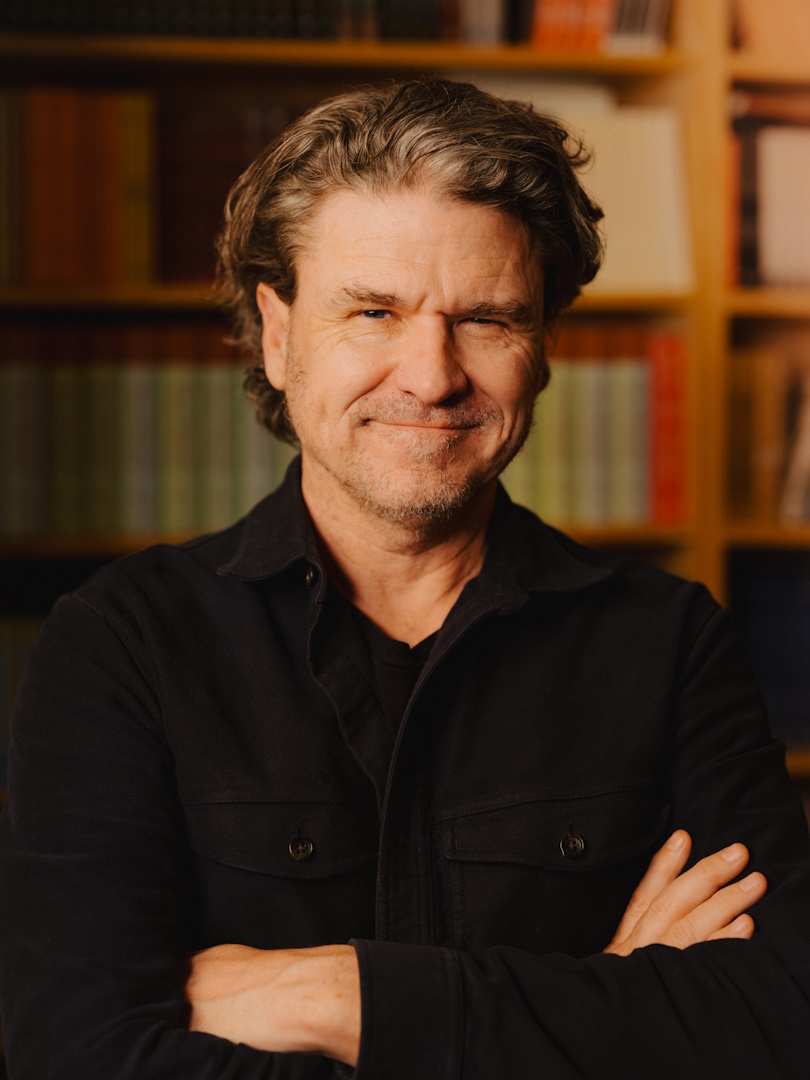
This creates a documented contrast: the author uses the financial output of the tech industry to fund initiatives that promote analog skills and free education, effectively using tech capital to build non-tech sanctuaries.
| Tech-Driven Trend | Eggers’ Analog Alternative |
|---|---|
| Generative AI Writing (ChatGPT) | 1998 Offline Mac / Cursive |
| Surveillance-enabled Transport | Avoidance of recording devices |
| Tuition-based Art Schools | Free Pier 29 Apprenticeships |
Frequently Asked Questions
What is Art + Water?
It is a new art space scheduled to open next year on Pier 29 in San Francisco, providing free mentorship and apprenticeships to students.
Why does Dave Eggers use an old computer?
According to SFGate, Eggers uses a 1998 Mac that has never been connected to the internet to avoid interruptions and the influence of modern digital distractions.
What is the “Flock camera” concern?
These are surveillance cameras used to track license plates; Eggers believes specific ballot measures are necessary to protect privacy against such technology.
Do you think analog tools are the key to surviving the AI era?
Share your thoughts in the comments below or subscribe to our newsletter for more insights on the intersection of art and technology.