
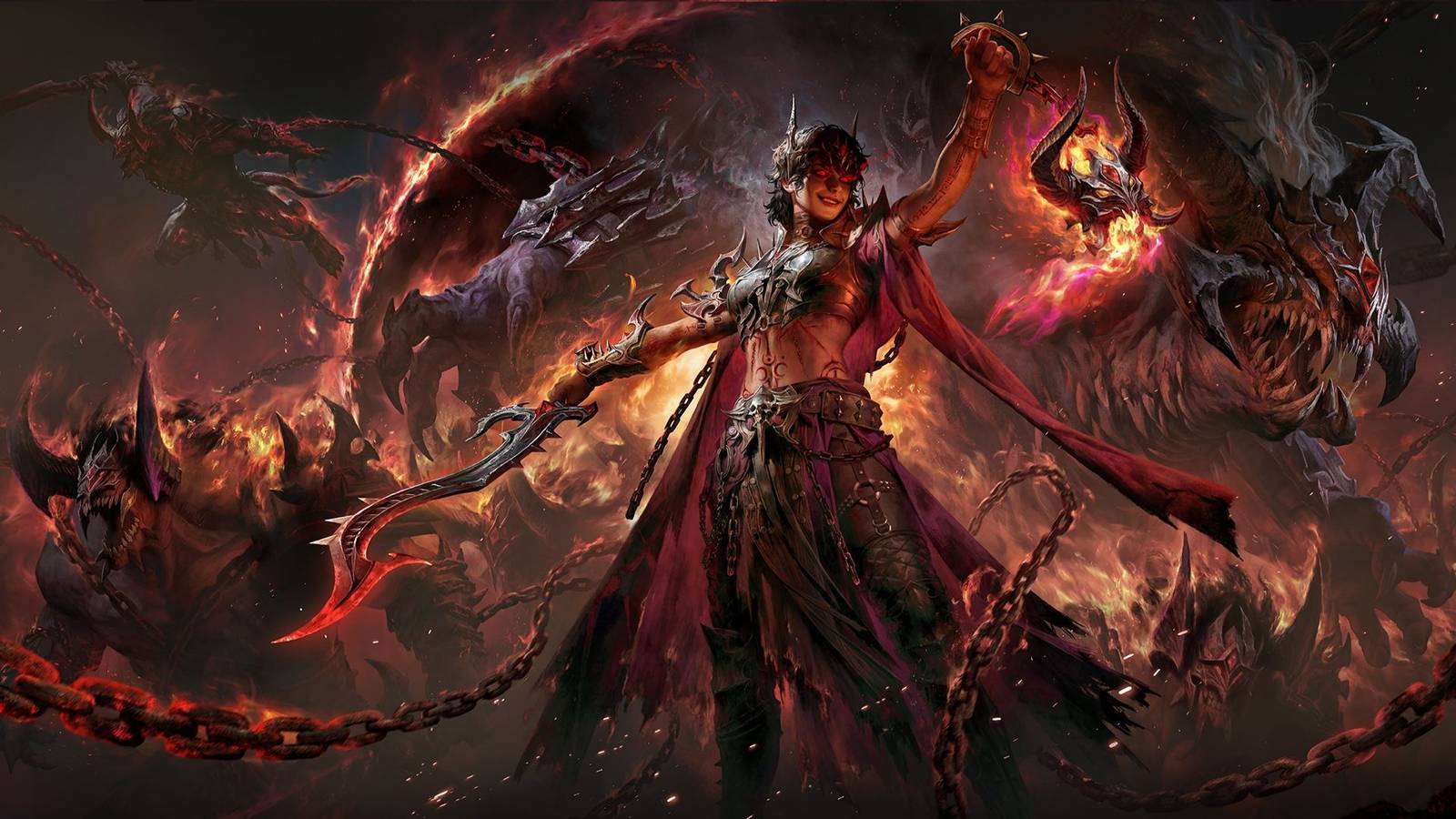
How Blizzard Turned Diablo Immortal’s Warlock Into Its Darkest Class Yet
The Warlock class arrives in Diablo Immortal on June 17, marking the franchise’s first attempt to launch a unified character archetype across Diablo Immortal, Diablo 4, and Diablo 2: Resurrected. According to associate art director Emil Salim and game designer Kyle Anderson, the class serves as a “demented” middle ground in a broader narrative arc, focusing on aggressive demon-summoning mechanics rather than passive support roles.
How Blizzard Synchronized the Warlock Across Three Games
To celebrate the 30th anniversary of the Diablo franchise, Blizzard Entertainment tasked development teams across three distinct titles to release the Warlock simultaneously. According to Emil Salim, the collaboration required directors to establish shared visual motifs, specifically fire, binding chains, and Vizjerei-themed runes. While these elements provide a cohesive identity, the design teams intentionally diverged on gameplay feel. Kyle Anderson notes that the versions represent a chronological journey: Diablo 2 features a novice experimenter, Diablo Immortal depicts a powerful but unstable practitioner, and Diablo 4 showcases a master of forbidden arts.
The Warlock’s visual identity was heavily influenced by punk rock culture. Designers incorporated leather straps, spikes, and studded accessories to create an “unapologetically evil” aesthetic that departs from traditional fantasy tropes.
Why the Warlock Shifts the Summoner Archetype
Blizzard is moving away from the “hiding behind summons” playstyle common in previous RPGs. Instead, the Diablo Immortal Warlock functions as an aggressive, theatrical force. The core mechanic involves the “Soulgorger,” a primary demon companion that can consume other summoned entities to absorb their specific traits. According to Kyle Anderson, this design choice emphasizes a “chaotic, destructive” nature, forcing players to actively manage their infernal posse rather than treating them as disposable background assets.
Future Trends in Cross-Platform Class Integration
The simultaneous launch of the Warlock suggests a long-term shift toward “franchise-wide” content updates. By aligning lore and visual design across Diablo Immortal and the mainline PC/console entries, Blizzard creates a unified ecosystem that encourages players to engage with multiple titles. If successful, this strategy could become the standard for future character releases, moving the Diablo brand toward a singular, shared timeline where character development evolves in parallel across different game engines and mobile platforms.
Focus on the Soulgorger’s consumption ability early in your playthrough. Mastering which demon traits to prioritize will significantly increase your survivability during high-difficulty encounters.
Frequently Asked Questions
Is the Warlock the same in Diablo 4 and Diablo Immortal?
No. While they share the same lore, runes, and visual motifs, the gameplay is tuned differently. According to Kyle Anderson, the versions represent different stages of mastery, with the Diablo Immortal version being more unstable and “demented” in its power usage.
What is the primary mechanic of the Warlock?
The class centers on the Soulgorger, a primary demon that follows the player and consumes other summoned demons to gain their powers, according to Emil Salim.
When can players access the new class?
The Warlock arrives as part of the 5.0 update for Diablo Immortal on June 17.
Are you ready to run the depths of Hell with the new Warlock class? Share your thoughts on this new summoner style in the comments below, or subscribe to our newsletter for more deep dives into the latest Diablo Immortal updates.