
How brands’ low T-shirt pricing impacts supplier labor conditions: report
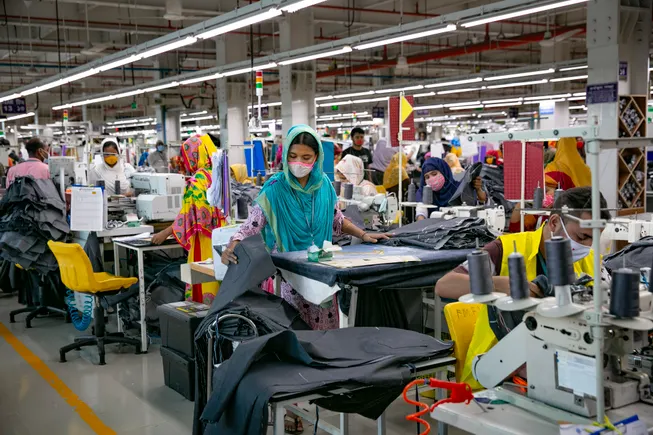
EU cotton T-shirt import prices have declined by approximately half in real terms since 2001, according to a report by Public Eye and Clean Clothes Campaign. The findings suggest that downward pricing policies by major global brands contribute to poverty wages and increased work pressure for garment workers in Bangladesh.
The report, released last month, analyzed how the pricing models for cotton T-shirts in the European Union—the world’s largest import market for the product—impact supplier labor conditions. While the nominal price of a T-shirt rose from $2.15 in 2001 to $2.67 in 2024, inflation has caused a real annual decline of 3.1%.
Why are cotton T-shirt prices falling?
The report attributes the price drop to intensified work pressure and higher production targets rather than technical advancements. It notes there have been few skill improvements or technical breakthroughs in T-shirt production to justify the savings.
Instead, evidence points to the neglect of sustainability and the outsourcing of production to more precarious work settings. One interviewee in the report stated that buyers “systematically” create market crises by setting fixed price targets, leaving factory owners desperate to accept any price to survive.
How do major brands compare on pricing?
Trade data shows that six brands—Bestseller, Primark, H&M Group, Inditex (Zara), LPP, and Fast Retailing (UNIQLO)—purchased about one-fifth of Bangladesh’s cotton T-shirt exports in 2025. Fast Retailing paid the highest average price at $16.95 per kilogram, while LPP paid the least at $10.11 per kg.
For context, the average EU import price for cotton T-shirts in 2025 was $16 per kg, but T-shirts sourced specifically from Bangladesh averaged only $13 per kg. The report found that for all six brands, price changes between 2021 and 2025 resulted in real price decreases when adjusted for inflation.
Most of these companies contested the findings. H&M stated that the figures did not match internal systems, noting the report placed them fourth in pricing at $12.82 per kg. Primark, LPP, Inditex, and Bestseller argued the report ignored variables like cotton price changes, product composition, and efficiency improvements. Only Fast Retailing did not contest the figures.
What are the consequences for workers in Bangladesh?
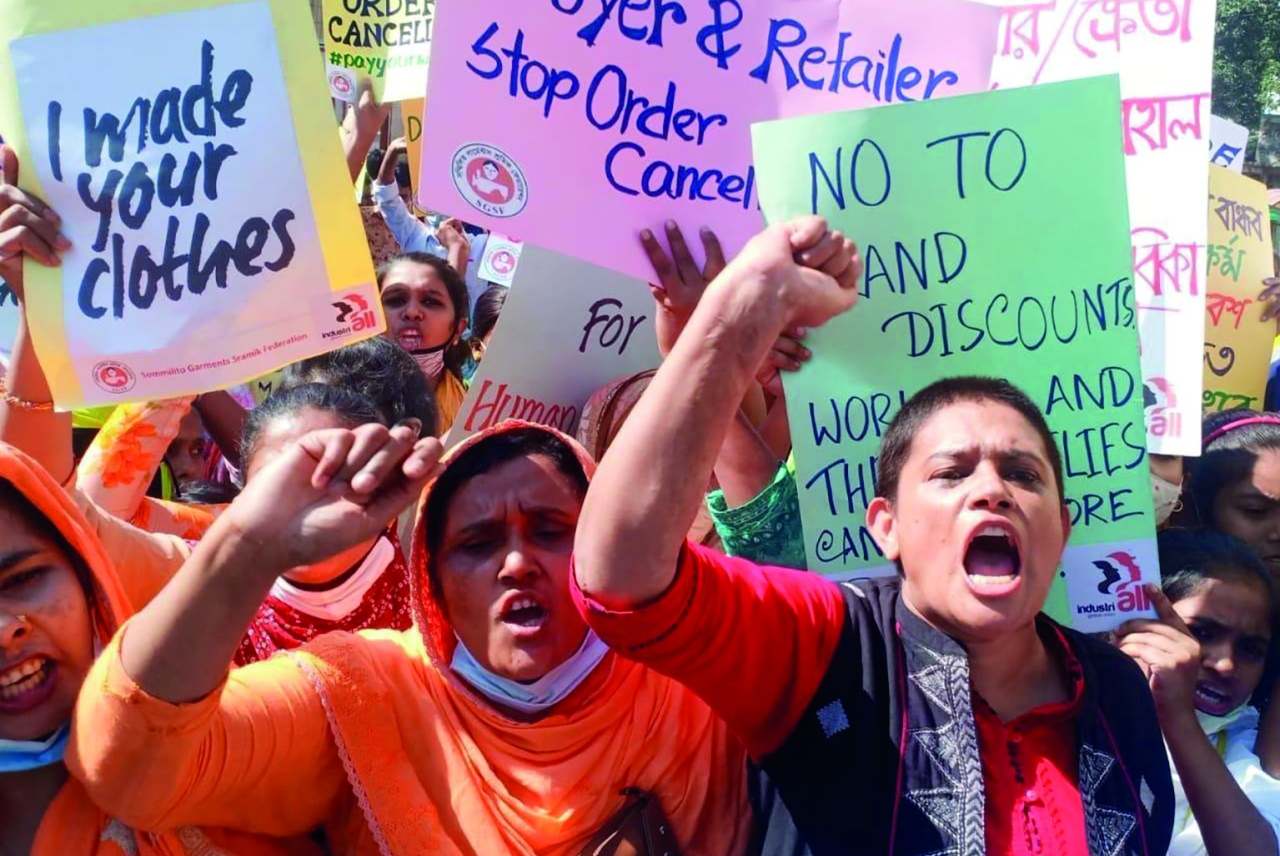
Low import prices correlate with low wages for the workforce. Bangladesh has the lowest minimum wage among major garment-producing nations at approximately $105 per month, which is nearly four times lower than the cost of living for a family in Dhaka.
The report found these wages represent only 12% of the export price of a Bangladeshi T-shirt. To maintain profitability under low price ceilings, managers reported increasing production quotas. One merchandiser stated targets were pushed from 200 to 250 T-shirts per hour per worker.
What may happen to garment pricing next?
The report suggests that a structural transition toward living wages could require higher price targets. An interim goal could be a minimum price of $18 per kg, potentially rising to $30 per kg in the medium term.
However, some Bangladeshi merchandisers believe brands are unlikely to pay more. They report that brands often request further price reductions by claiming poor sales, even while marketing sustainability to boost brand image.
Frequently Asked Questions
Who conducted the research on T-shirt pricing?
The report was released by the Swiss watchdog Public Eye and the global nonprofit Clean Clothes Campaign.
Which brand paid the lowest price per kilogram for T-shirts?
According to the report, LPP paid the lowest average price at $10.11 per kg.
How does the minimum wage in Bangladesh compare to the cost of living?
The minimum wage is about $105 per month, while the cost of living for a family in Dhaka is almost four times that amount.
Do you believe global brands should be required to set a minimum price floor for imported garments to ensure living wages?