
How China-linked operatives used ChatGPT to sway Americans on 2 issues, OpenAI details
OpenAI has identified and banned a network of accounts linked to a Chinese technology company that used ChatGPT to conduct influence operations targeting U.S. policy. According to an official report from OpenAI, these operatives leveraged the platform to generate content criticizing U.S. data center expansion, energy prices, and trade tariffs. The company stated these activities were part of a broader commercial ecosystem aligned with the priorities of the Chinese Communist Party.
How were these AI-generated influence campaigns conducted?
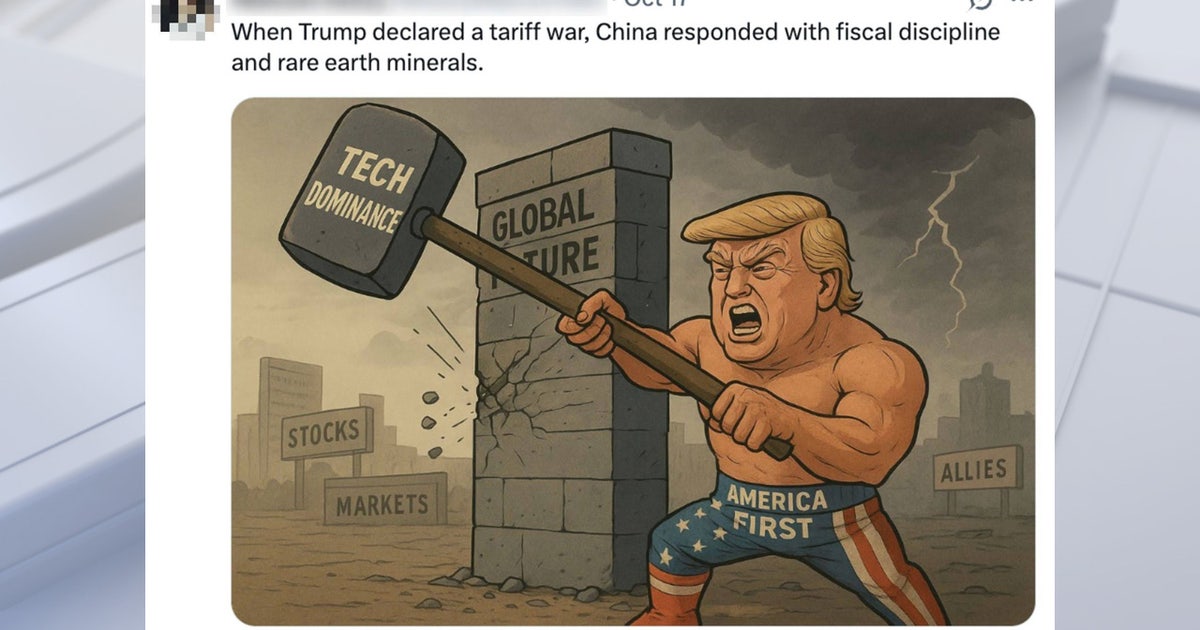
Operatives used ChatGPT to craft English-language commentary and images designed to mimic authentic public discourse. OpenAI reported that the accounts aimed to amplify existing local anxieties, specifically regarding the energy demands of artificial intelligence. By generating comic strips and social media posts, these actors argued that data centers were directly responsible for rising electrical costs in American households. OpenAI confirmed that these accounts were banned for violating policies against deceptive influence operations.
Did you know? The operatives behind these campaigns reportedly favored American AI models over domestic alternatives to generate their content. OpenAI noted the irony of using U.S.-developed technology to influence American public opinion on AI and energy policy.
What were the primary targets of these operations?
OpenAI categorized the influence campaigns into two distinct thematic groups. The first group focused on domestic U.S. infrastructure, specifically targeting concerns about the power grid and the environmental impact of data centers. The second group concentrated on geopolitical and economic issues, including criticism of U.S. tariffs and the nation’s technological dominance.
Evidence gathered by OpenAI suggests a high level of coordination. In the second group, prompts provided to the AI explicitly instructed the system to exclude Chinese President Xi Jinping from the output while focusing criticism exclusively on President Donald Trump. These accounts also attempted to discredit OpenAI itself by circulating claims that the platform’s data had been compromised.
Why is this a significant shift in digital warfare?
This incident highlights a growing trend where foreign threat actors employ generative AI to automate the creation of sophisticated, localized propaganda. By aligning their messaging with legitimate public debates, these actors attempt to build a veneer of credibility that makes misinformation harder to detect. According to OpenAI, these tactics are intended to weaken democratic institutions and advance agendas related to surveillance, censorship, and political control.
Comparison: Domestic vs. Foreign AI Influence
| Feature | Foreign Influence Operations |
|---|---|
| Primary Tool | Generative AI (ChatGPT) |
| Targeted Issues | U.S. Data Centers, Tariffs, Energy Prices |
| Goal | Manipulate debate, discredit platforms |
Frequently Asked Questions
How does OpenAI detect these operations?
OpenAI monitors platform usage for patterns consistent with influence campaigns, such as coordinated account behavior and prompts designed to generate deceptive political content.
Are all AI-generated posts on social media part of these campaigns?
No. OpenAI’s report specifically focuses on accounts linked to identified threat actors. The company releases these findings to help the public and government agencies recognize the signs of AI-driven manipulation.
What can users do to verify information?
Experts recommend cross-referencing claims found on social media with verified news outlets and official government records to ensure information is not part of a coordinated influence operation.
Stay informed on the latest developments in AI security and global technology policy. Subscribe to our newsletter for weekly updates delivered to your inbox.