

How China Misdiagnoses Its Systemic Challenges
The Diagnosis Dilemma: Why Systemic Blind Spots Define the Fate of Superpowers
History is littered with the remains of empires that knew exactly what was wrong but couldn’t figure out how to fix it. The tragedy of a declining great power isn’t usually a lack of intelligence. it’s a failure of diagnosis. When a state mistakes a structural collapse for a technical glitch, it applies a bandage to a hemorrhage.
Currently, we are witnessing this play out in real-time with the world’s second-largest economy. While the official narrative focuses on “external pressures” and “market adjustments,” a deeper look suggests a more systemic friction. The tension between an increasingly centralized authority and the messy reality of economic governance is creating a precarious tipping point.
The Friction Between Central Control and Local Reality
For decades, the engine of growth was a symbiotic relationship: Beijing set the broad goals, and local officials had the autonomy to experiment and implement them. This “decentralized authoritarianism” allowed for rapid pivots and localized solutions.
However, the trend has shifted toward extreme centralization. When authority is concentrated at the top, the “feedback loop”—the vital flow of honest information from the ground up—breaks. Local cadres, fearing political repercussions, are more likely to report success than to flag systemic failures.
This leads to a dangerous phenomenon: policy decoupling. The directives coming from the center are based on sanitized data, while the implementation on the ground is hampered by a lack of flexibility. We see this in the uneven rollout of industrial policies and the struggle to manage local government debt.
For more on how governance impacts global markets, see our analysis on managing geopolitical risk in a volatile era.
The “Security First” Paradigm
One of the most significant future trends is the elevation of “national security” over “economic efficiency.” In the past, economic growth was the primary source of political legitimacy. Today, that calculus is changing.
By prioritizing security and ideological purity, the state may inadvertently stifle the very innovation it seeks to foster. When entrepreneurs fear that their success might make them a political target—as seen in the sudden crackdowns on the tech sector—the incentive to take risks vanishes. This “chilling effect” is a structural limit that no amount of technical stimulus can fix.
The Demographic Time Bomb and the Financial Shadow
While political rigidity is the catalyst, the fuel is demographic and financial. China is facing a demographic collapse that is unprecedented in its speed. The working-age population is shrinking, and the dependency ratio is climbing.
According to data from the World Bank, the shrinking workforce puts immense pressure on productivity. To compensate, the state is pushing for “high-quality growth” through automation and AI. But technology cannot replace the consumption power of a growing youth population.
Parallel to this is the crisis in the property sector. For years, real estate was the primary vehicle for wealth accumulation. The collapse of giants like Evergrande wasn’t just a corporate failure; it was a symptom of a financial system built on unsustainable debt.
The Global Ripple Effect: De-risking and Divergence
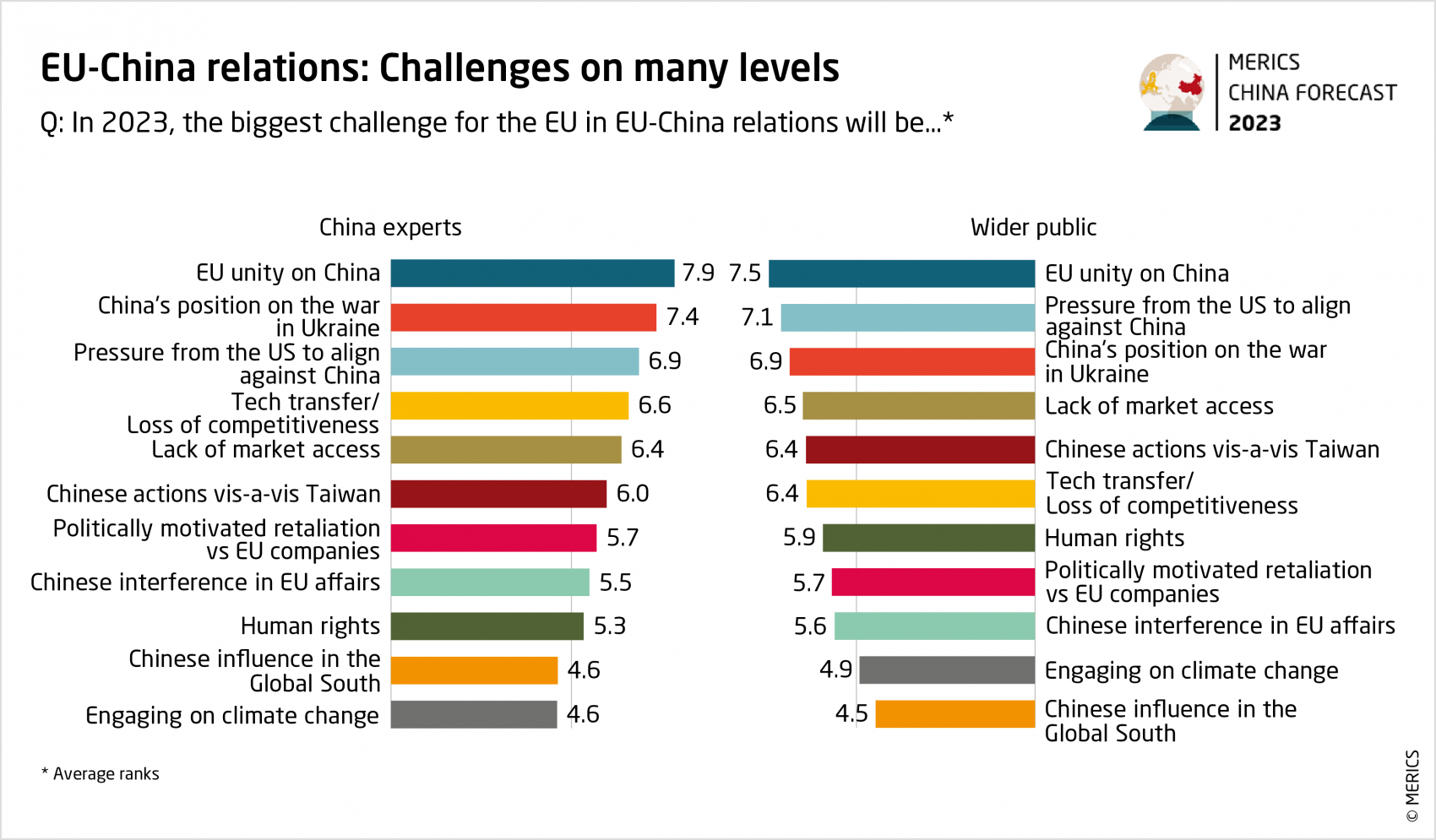
The world is no longer ignoring these internal frictions. The trend of “de-risking”—a term popularized by the EU and the US—is a direct response to the perception that the systemic risks within the Chinese model are now contagious.
We are seeing a shift toward “friend-shoring,” where supply chains are moved to politically aligned nations. This isn’t just about trade tariffs; it’s about insulating global economies from the potential shocks of a systemic crisis in a centralized state.
As other nations scale up their own industrial policies, the “China advantage” of cheap labour and state-subsidized scale is evaporating. The future will likely be characterized by a fragmented global trade system, where economic ties are secondary to security alliances.
Frequently Asked Questions
Q: Is China’s economy heading for a total collapse?
A: Total collapse is unlikely given the state’s control over the banking system. However, a “long stagnation”—similar to Japan’s “Lost Decades”—is a highly probable scenario if structural reforms are ignored in favour of technical fixes.
Q: Why can’t the government just fix the demographic problem?
A: Demographics are a lagging indicator. Policy changes (like moving from a one-child to a three-child policy) take decades to manifest. High living costs and social pressures often outweigh government incentives.
Q: What is the difference between a technical problem and a systemic one?
A: A technical problem is “how do we increase chip production?” A systemic problem is “does our political structure allow for the free exchange of ideas necessary to invent the next generation of chips?”
The trajectory of any great power is determined by its willingness to look in the mirror and admit that the problem isn’t the weather—it’s the foundation of the house. Whether the current leadership can pivot from recognition to genuine diagnosis will determine the global order for the next half-century.
What do you think? Is the world overestimating the risk of systemic failure, or are we underestimating the impact of institutional rigidity? Let us know your thoughts in the comments below or subscribe to our newsletter for deeper geopolitical insights.