
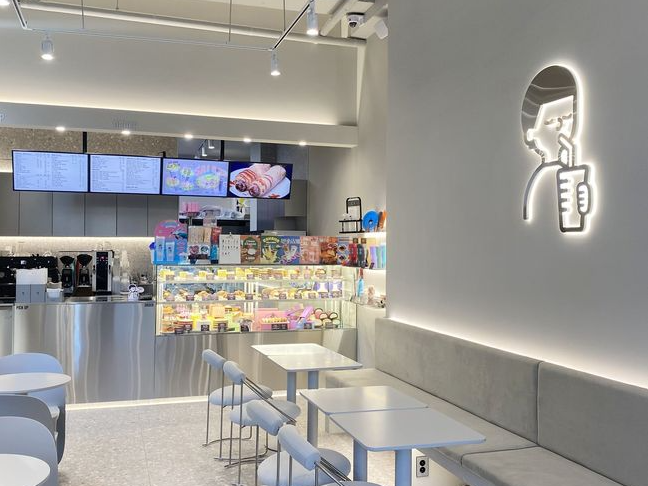
How Dessert39 Strengthens Franchise Competitiveness Through Menu Innovation and Operational Efficiency
Dessert39 is expanding its footprint in the competitive coffee franchise market by utilizing a business model centered on high-efficiency operations and a diverse menu of seasonal, low-calorie, and visually oriented products. The brand differentiates itself by supplying pre-made dessert items to franchisees, a strategy designed to reduce labor costs and streamline store management while attracting customers through social media-friendly menu aesthetics.
Strategic Menu Diversification
To capture shifting consumer demand, Dessert39 has introduced a range of seasonal offerings, including low-sugar and low-calorie drinks, large-capacity beverages, and specialized items like Ube-flavored products, Yangzhi Ganlu cup bingsu, and fresh watermelon punch. According to the brand, this multi-faceted menu strategy is intended to move beyond traditional coffee-only sales, encouraging higher average transaction values and boosting delivery revenue.

The company reports that its focus on visual aesthetics has turned its menu items into effective social media content. Official social media posts regarding new product launches have surpassed 1 million views, with engagement rates for seasonal menu content showing consistent growth.
Dessert39 has received multiple industry recognitions, including the top ranking in the Customer Preference Brand Index and the Korea Consumer Satisfaction Index, as well as the Republic of Korea Consumer Satisfaction Award.
Operational Efficiency and Franchise Support
A core component of the brand’s operational model is the supply of finished products, which the company claims removes the need for specialized pastry chefs at the store level. By providing ready-to-sell desserts, the brand aims to lower labor costs for franchisees and minimize product waste, allowing store operators to focus primarily on sales and customer service.
For new entrepreneurs, the company provides structured training and ongoing operational support. The brand manages corporate-level marketing and promotional campaigns to reduce the individual marketing burden on franchisees while driving customer traffic to store locations.
The shift toward pre-made supply chains in the franchise sector represents a strategic trade-off. While it sacrifices the artisanal appeal of in-store baking, it significantly lowers the barrier to entry for operators by mitigating the risks associated with skilled labor shortages and inventory spoilage. This focus on “operational convenience” is likely a response to the rising costs of personnel and the need for consistent, scalable quality across a growing number of locations.
Future Outlook
Industry analysts suggest that the brand’s emphasis on system-wide efficiency and rapid menu innovation may serve as a template for other franchises seeking to maintain market share. Moving forward, the company intends to continue refining its menu development and support systems to bolster competitiveness. It is expected that the brand will continue to leverage its existing infrastructure to adapt to seasonal consumer trends, potentially further integrating digital marketing efforts to maintain visibility in the competitive café landscape.
Frequently Asked Questions
How does Dessert39 reduce labor costs for its franchisees?
The brand utilizes a supply system where dessert items are delivered to stores as finished products, eliminating the need for specialized pastry chefs or complex in-store manufacturing processes.
What is the primary strategy for driving revenue?
The company employs a “complex menu” strategy that includes coffee, desserts, and seasonal items to encourage add-on purchases, thereby increasing the average transaction value per customer.
What support is provided to new franchisees?
Franchisees receive education and operational training, along with brand-wide marketing and promotional activities intended to reduce the burden of individual store-level advertising.
How do you think the reliance on pre-made food items influences the long-term brand loyalty of dessert-focused customers?