
How Huawei Defied US Sanctions to Achieve Chip Independence
Huawei’s rapid advancement in proprietary chip technology suggests that United States export controls have failed to curb the company’s progress in mobile and artificial intelligence processing. By pivoting to domestic suppliers and localized design strategies, Huawei has bypassed international restrictions, a shift that Nvidia CEO Jensen Huang recently cited as evidence that trade sanctions have not yielded the intended competitive disadvantage for Chinese firms.
Why are U.S. export controls failing to stop Huawei?
The core of the failure lies in Huawei’s transition toward a fully domestic supply chain. According to reporting by Huawei Central, the company successfully resurrected its Kirin processor line despite being barred from accessing advanced Western semiconductor equipment. This strategy reached a critical milestone in 2023 with the launch of the Mate 60 series, which featured a 7-nanometer chip produced in collaboration with Semiconductor Manufacturing International Corporation (SMIC). This development, which bypassed software and hardware bans, prompted an investigation by the U.S. Department of Commerce.
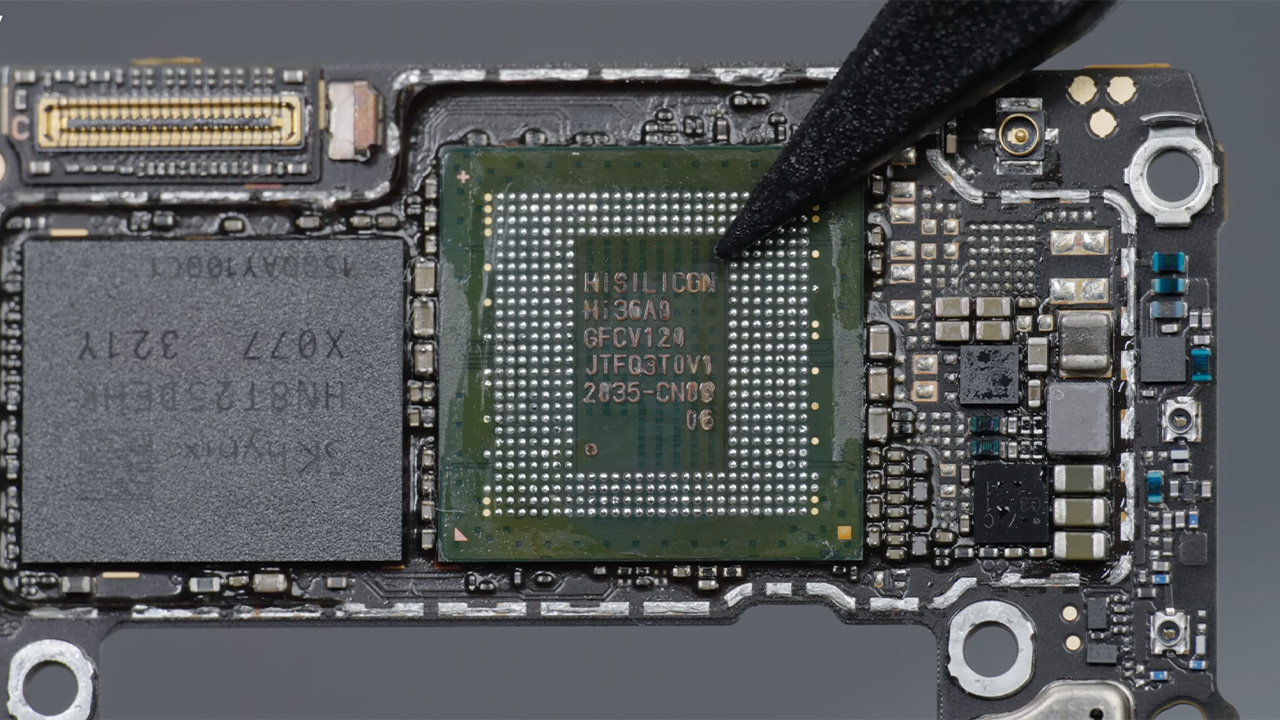
The 7-nanometer chip technology found in the Mate 60 series was widely considered a major technical hurdle for companies operating under strict equipment import bans, yet Huawei achieved this milestone through local manufacturing partnerships.
How is Huawei scaling its internal chip production?
Huawei is moving beyond mere survival by integrating its proprietary chips into broader industrial sectors. The company is now supplying its custom-designed silicon to security camera manufacturers and expanding its footprint within the data center market. This shift demonstrates that Huawei is leveraging the forced isolation to build a self-sustaining ecosystem. By relying on domestic partners like SMIC, the company effectively neutralizes the impact of denied access to international semiconductor foundries.
What are the long-term industry consequences?
The primary consequence of this trend is the fragmentation of the global semiconductor market. While U.S. officials aimed to maintain a technological lead through restrictive trade policies, the market has seen an accelerated push for “technological sovereignty” within China. Industry analysts note that Huawei’s success in maintaining a high-end product pipeline creates a blueprint for other domestic firms to follow, potentially reducing reliance on U.S.-backed software and hardware platforms indefinitely.
Follow the evolution of the Kirin chipset series to track Huawei’s progress. Often, improvements in these mobile processors serve as a bellwether for the company’s capabilities in the high-performance AI and server sectors.
Frequently Asked Questions
- Did the U.S. sanctions stop Huawei from producing smartphones?
No. Despite losing access to certain international supply chains, Huawei resumed production of its Kirin-powered devices, most notably with the 2023 Mate 60 series. - Who manufactures Huawei’s current chips?
Huawei collaborates with domestic partners, most prominently SMIC, to design and produce its current generation of processors. - Does this affect the AI industry?
Yes. Huawei is now actively expanding into the data center and AI server market, utilizing its own silicon to compete in spaces previously dominated by Western technology.
What do you think about the future of global chip independence? Share your thoughts in the comments below or subscribe to our newsletter for more updates on the evolving semiconductor landscape.