
How Human Presence Impacts Wildlife Behavior and Conservation
A comprehensive six-year study has revealed that wildlife is significantly influenced not only by the physical alteration of their habitats but by the simple presence of humans. This research suggests that even minor changes in human movement through the environment can alter animal behavior.
The findings, published in Science, indicate that animals are affected by a combination of direct human presence and human-caused environmental changes, such as urbanization and agriculture. This marks the first large-scale assessment of how these two factors impact habitat usage separately and together.
The Scale of the Research
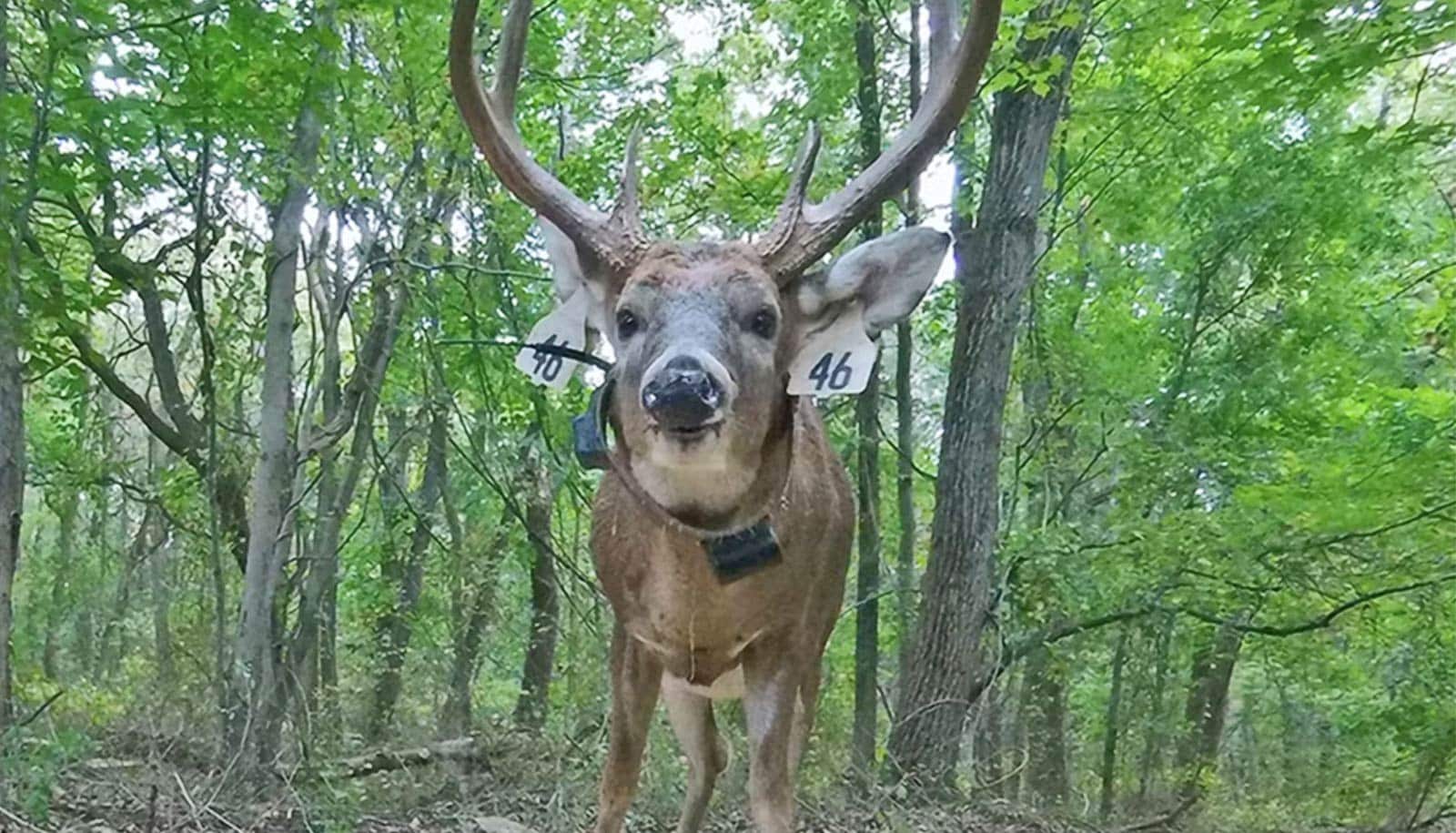
The study was a global collaboration involving Yale researchers and more than 50 academic and governmental organizations. Led by Ruth Oliver and Scott Yanco, the team utilized GPS devices to track 37 different species across the United States.
The tracked animals included 15 mammals—such as wolves, coyotes, raccoons, skunks, and “big cat” species—and 22 birds, including hawks, vultures, storks, cranes, and ducks. In total, researchers analysed approximately 11.8 million location points from over 4,500 animals.
Unlocking Data Through Global Events
To measure human presence, researchers paired satellite-derived measurements of habitat disturbance with mobile phone data. This unique approach allowed the team to capture the impact of human movement with unprecedented detail.
The COVID-19 pandemic provided a critical window for this research. Lockdowns dramatically shifted human movement patterns between 2019 and 2020, allowing scientists to isolate the effects of human presence from long-term changes like agricultural development.
Diverse Behavioral Responses
The results showed that more than 65% of the studied species changed their behavior based on the presence of humans. These effects were most pronounced in natural, less-developed settings.
Responses varied wildly by species. While many animals reduced their range to avoid people, grey wolves expanded their range, potentially traveling further to maintain distance from humans. Conversely, ravens covered more ground, likely to exploit human-linked food sources, while coyotes restricted their movements.
Implications for Future Conservation
Walter Jetz, a professor at Yale, emphasizes that while habitat loss is a primary driver of biodiversity loss, direct human use of the landscape—such as recreation—also plays a mediating role. Depending on the quality of the habitat, animals make adjustments that may either dampen or amplify the negative effects of habitat loss.
Based on these findings, future conservation efforts may move beyond simple habitat preservation. A possible next step could involve managing the intensity and timing of human activity, such as reducing disturbance in sensitive habitats or limiting traffic during key periods.
Such targeted strategies may help wildlife and humans coexist more effectively by acknowledging the flexibility individual animals show in adjusting their behavior from year to year.
Frequently Asked Questions
How did researchers track human presence in the study?
Researchers used mobile phone data paired with satellite-derived measurements of human habitat disturbance.
Which species showed an increase in their range when humans were present?
grey wolves expanded their range, possibly to steer clear of humans, and ravens covered more ground, likely to take advantage of food sources linked to people.
What role did the COVID-19 pandemic play in the research?
Lockdowns altered human movement patterns, which allowed researchers to separate the immediate effects of human presence from long-term landscape changes like urbanization.
How do you think our daily recreational habits might be influencing the wildlife in your own local area?