
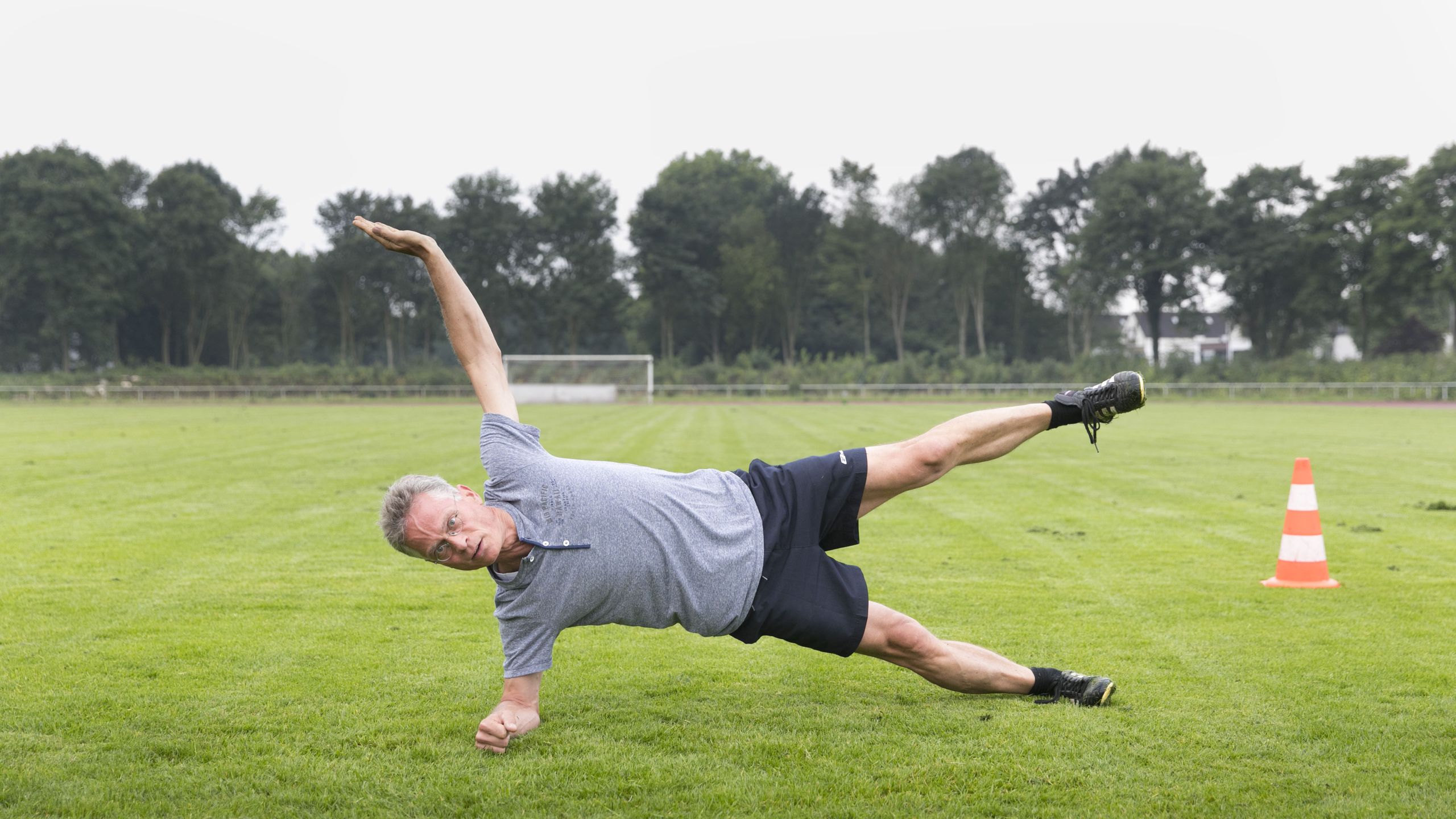
How I Used ChatGPT to Create a 20-Minute No-Equipment Home Workout for BJJ
The Death of the Generic Workout: How AI is Personalizing the Pursuit of Longevity
For decades, the fitness industry has been built on the “template.” You bought a magazine programme, followed a generic 12-week PDF, or hired a trainer who gave you the same circuit they gave the three clients before you. But we are entering an era where the “average” workout is becoming obsolete.

The real shift isn’t just about having a digital coach; it’s about the removal of friction. When a 54-year-old Brazilian Jiu-jitsu (BJJ) practitioner can use a Large Language Model (LLM) to build a routine that respects their joint health, fits into a 20-minute window, and avoids the “sterile gym” environment, we are seeing the democratization of elite-level personalization.
From ‘No Pain, No Gain’ to ‘Sustainable Gain’
The traditional fitness narrative often pushed us toward the edge of injury. We were told to push through the pain, an approach that works for a 22-year-old with infinite collagen but is a recipe for disaster for the “Master” athlete.
The future of fitness is shifting toward recovery-centric training. We are seeing a move away from complexity (adding more confusing exercises) and toward density (doing the basics better and more often). Here’s the “minimum effective dose” philosophy: finding the smallest amount of work required to achieve the desired result without triggering an injury.
The Psychology of the ‘Low Barrier’
The hardest part of any workout isn’t the final set of push-ups; it’s the act of putting on your shoes. The trend is moving toward “frictionless fitness”—workouts that require zero commute, zero equipment, and zero mental dread.
By lowering the barrier to entry—telling yourself you only have to do the warm-up—you bypass the brain’s resistance to effort. This psychological hack, combined with AI-generated plans that feel “achievable” rather than “aspirational,” is why more people are staying consistent into their 50s and 60s.
The Convergence of AI and Biometrics
While using a prompt to generate a workout is a great starting point, the next frontier is the integration of real-time biometric data. Imagine an AI coach that doesn’t just know you do BJJ, but knows you slept poorly last night and your heart rate variability (HRV) is low.
Instead of a static “Level 7” intensity workout, your AI would automatically pivot to a “Recovery Day” focusing on joint mobility and light blood flow. This creates a closed-loop system where the workout adapts to the human, rather than the human breaking themselves to fit the workout.
We are already seeing early versions of this with wearable tech and integrated health apps, but the leap to generative AI means these suggestions will soon be conversational and highly nuanced.
Why ‘Functional Strength’ is Replacing the Bodybuilding Aesthetic
There is a growing cultural pivot away from the “superhero” physique and toward “functional longevity.” For the aging athlete, the goal isn’t a bicep peak; it’s the ability to sprawl, stand up, and move fluidly without a knee clicking.
This is why exercises like “bear crawl holds” or “technical stand-ups” are gaining traction over the traditional bench press. They train the body as a single unit, improving stability and proprioception—the body’s ability to sense its location in space—which is the best defence against falls and injuries as we age.
For more on how to balance intensity with recovery, check out our guide on Optimizing Recovery for the Over-40 Athlete.
Frequently Asked Questions
Can AI truly replace a human personal trainer?
For general programming and habit formation, yes. However, for complex form correction and emotional accountability, human trainers still hold the edge. The future is likely a “hybrid” model.
Is no-equipment training enough for muscle maintenance after 50?
Yes, provided you utilize “progressive overload.” By increasing the time under tension or the number of repetitions (density), you can maintain significant muscle mass without heavy weights.
How do I know if my AI-generated workout is safe?
Always cross-reference AI suggestions with a professional or your own knowledge of your injury history. Use prompts that specifically mention “joint-friendly” or “low-impact” options.
Join the Conversation
Are you using AI to optimize your health, or do you prefer the old-school approach? Have you found a “low-barrier” habit that changed your fitness game?
Share your experience in the comments below or subscribe to our newsletter for more insights on the future of human performance.