
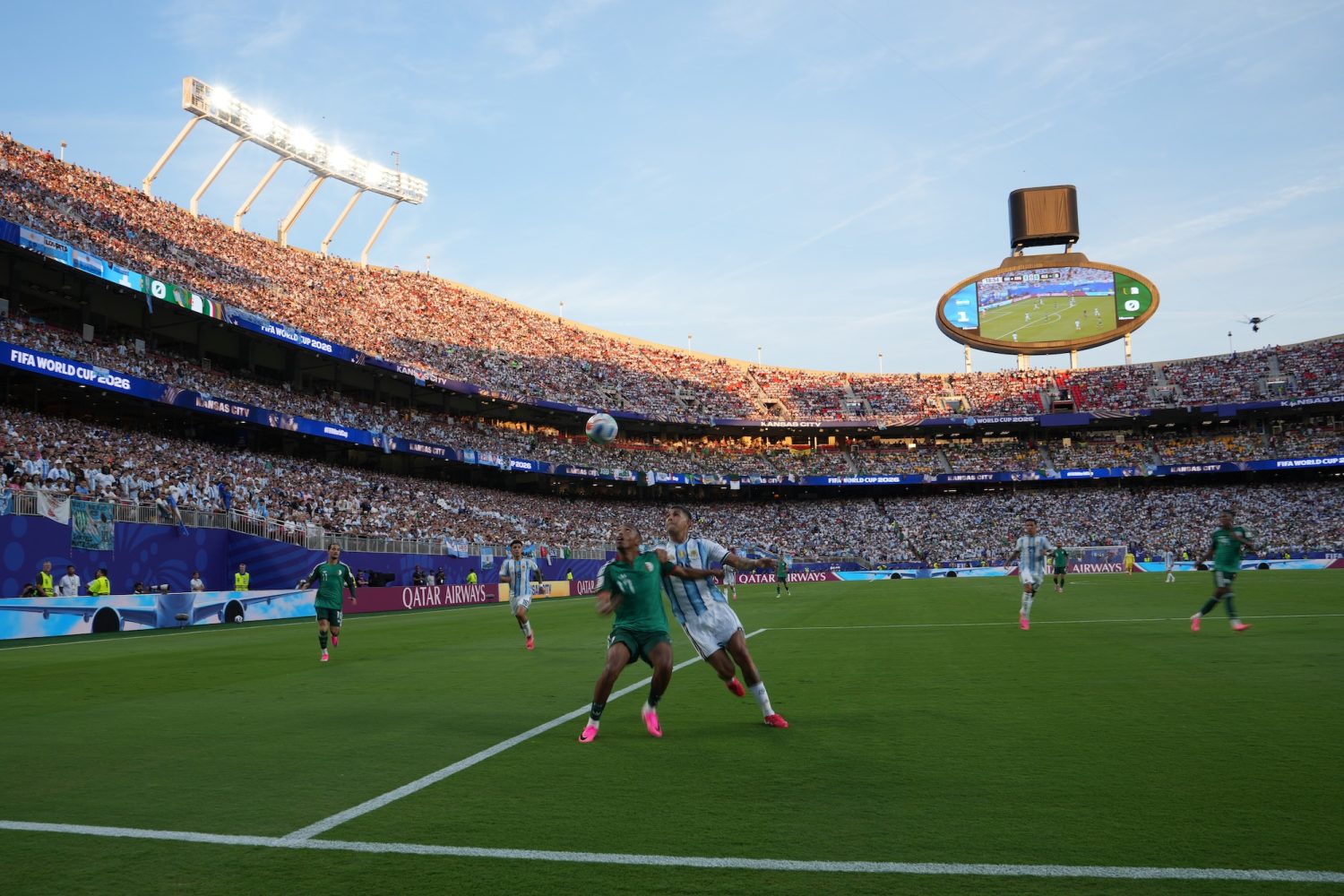
How Kansas City Became a 2026 World Cup Hub
Kansas City, an urban center of 500,000 residents within a metropolitan area of 2.2 million, has secured a significant role as a host city for the 2026 World Cup. Despite being the smallest city selected by FIFA, Kansas City will host six matches, including a round of 16 game and a quarterfinal, while serving as a base for national teams including Argentina, England, the Netherlands, and Algeria.
Why Kansas City is a Global Sport Hub
The city’s selection stems from a combination of historical legacy and substantial infrastructure investment. Lamar Hunt, a pioneer of American soccer and a founder of the NASL and MLS, established a deep connection to the city by moving the Dallas Texans there and rebranding them as the Kansas City Chiefs. According to local reports, the city has leveraged the football team’s presence to drive massive improvements in sports facilities.
Total public and private investment into these sports centers has reached $650 million. Additionally, $40 million was dedicated specifically to renovating the Chiefs’ current stadium. Local institutions have further committed a $200 million budget to manage the logistics and events surrounding the upcoming tournament.
Although Kansas City is the smallest host city for the 2026 tournament, it has already hosted the Argentine national team and is scheduled to host the Netherlands, Austria, and Ecuador during the group stage.
Economic Impact and Future Projections
While the majority of ticket revenue is reserved for FIFA, local officials and team leadership remain optimistic about the long-term economic benefits. Mark Donovan, president of the Kansas City Chiefs, stated that hosting a quarterfinal match allows the city to be viewed on the same level as major markets like Boston, Miami, and Los Angeles.
Looking toward 2031, the city’s profile as a destination for major events is expected to increase significantly. The Chiefs have announced plans to relocate from Missouri to Kansas and inaugurate a new, three-billion-dollar covered stadium. According to Kansas Governor Laura Kelly, this move is intended to place the state in the global spotlight, attract young talent, and create high-paying jobs.
Samantha Carter notes that while the immediate focus is on the 2026 World Cup, the long-term strategy for Kansas City relies on the transition to the new stadium in 2031. By building a climate-controlled venue, the city is positioning itself to compete for permanent fixtures like the Super Bowl, moving beyond its current status as a mid-sized market to become a primary destination for national sports tourism.
Frequently Asked Questions
How many matches will be played in Kansas City during the 2026 World Cup?
A total of six matches will be played, including group stage games, a round of 16 fixture, and a quarterfinal.
What is the scale of the investment for the new stadium?
The new stadium, which is scheduled to open in 2031, represents a three-billion-dollar investment.
Which national teams have chosen Kansas City for their training base?
Argentina, England, the Netherlands, and Algeria have all selected the city’s upgraded facilities for their North American training camps.
Will these major infrastructure developments successfully elevate the city’s international profile in the coming decade?