
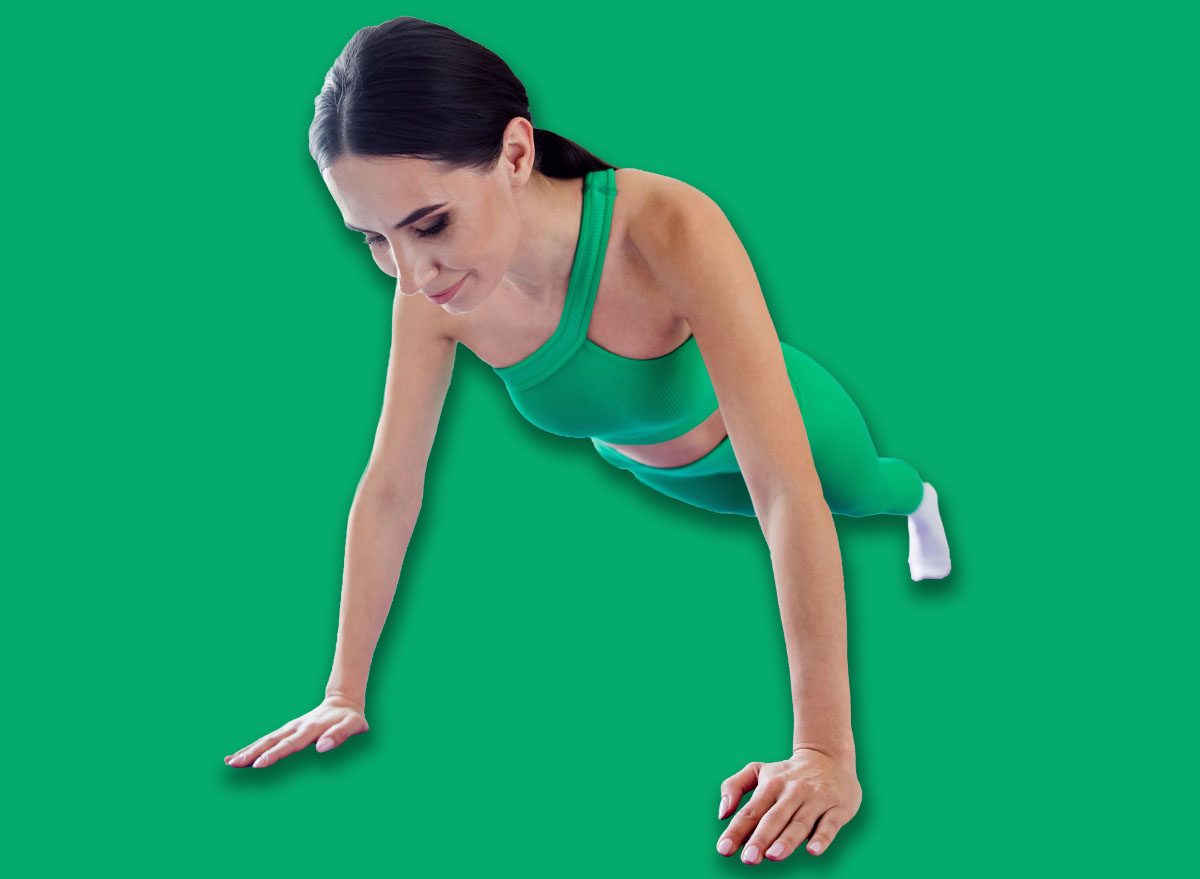
How Long to Hold a Plank for Top-Tier Core Strength After 60
Adults over 60 who can maintain a plank for 60 to 90 seconds possess “exceptional” core strength and spinal alignment, according to Bruno Pontes, an ACSM and AFAA-Certified Personal Trainer. This low-impact isometric exercise assesses total-body stability and muscular endurance to help preserve independence and reduce fall risks in older adults.
Why is the plank a reliable test of core strength for seniors?
The plank measures how effectively the core stabilizes the spine and maintains spinal alignment, according to Pontes. It serves as an indicator of overall functional fitness because it requires the abdominals, glutes, shoulders, hips, and lower back to work together.
Pontes states that this strength is imperative for adults 60 and up to preserve balance, mobility, and posture. These physical capabilities translate to daily activities like carrying groceries, climbing stairs, and getting up from chairs.
What are the core strength benchmarks for adults over 60?
Benchmarks for plank holds vary based on experience and age. For beginners, Pontes recommends starting with a hold of 15 to 20 seconds.
For those 60 and older, holding a plank for more than 30 seconds is considered a “stellar” benchmark. Those who can maintain proper form for 60 to 90 seconds demonstrate “top-tier” and “exceptional” core strength.
Pontes warns that holding the position too long may cause more harm than good. He notes that hips are more likely to sag over time, which disengages the core and makes the exercise ineffective.
How do different plank variations compare?
Forearm planks are often the best option for people over 60 because they place less strain on the shoulders and wrists. Pontes notes this makes them more accessible for individuals with arthritis.
High planks, performed with hands under the shoulders, test core stability but increase pressure on the chest, arms, and shoulders. This version is suited for those with good upper body strength and wrist mobility.
For those needing further modification, Pontes suggests placing knees on the mat to reduce lower-back pressure. Wall planks are the easiest variation as they eliminate the full effect of gravity.
What is the correct form for a plank?
Proper form requires the body to remain completely straight from the head to the heels. Pontes advises against positioning the hips too high or letting them sag toward the floor.
To maximize benefits, practitioners should tighten the glutes and engage the core. Pontes also stresses the need for steady breathing, as holding the breath can create unnecessary tension and cause the body to stiffen.
If any pain or discomfort occurs during these movements, Pontes advises stopping the exercise and consulting a medical professional.
Frequently Asked Questions
How long should a beginner hold a plank?
According to Bruno Pontes, 15 to 20 seconds is an excellent starting point for beginners.
Which plank is better for people with arthritis?
Forearm planks are generally more accessible for those with arthritis because they place less strain on the wrists and shoulders than straight-arm planks.
What happens if you hold a plank for too long?
Pontes states that holding a plank beyond recommended benchmarks may cause the hips to sag, which disengages the core and renders the exercise ineffective.
How long can you currently hold a plank with proper form?