

How Schools Are Fighting AI Cheating in the Baccalauréat: From Detection Failures to New Evaluation Strategies
France’s education system is grappling with a crisis of trust and innovation as artificial intelligence reshapes the landscape of academic integrity. With 40% of the baccalauréat score now tied to continuous assessment—including homework assignments—lycéens have embraced AI tools like ChatGPT to complete work with minimal risk of detection. The result? A systemic challenge that forces educators to rethink evaluation methods while confronting the limits of technology in policing fraud.
Why the AI Crisis in French Education Matters
The issue extends beyond ethics. Since the introduction of continuous assessment in 2021, French high schools have relied on locally designed evaluation projects to standardize grading. But with AI’s rise, these projects now face a fundamental question: How can educators verify that work submitted remotely reflects genuine student effort? The French Ministry of Education’s 2025 framework on AI in education—a 22-page guide outlining risks, potential uses, and limits—acknowledges the dilemma. While it classifies unapproved AI use as academic fraud, it explicitly discourages detection tools, citing their unreliability and potential to unfairly penalize students.

The paradox is stark. Studies show even minor edits to AI-generated text render it undetectable, while corrective tools often flag human work as artificial. For teachers, the uncertainty is paralyzing. One professor noted that distinguishing between a student’s original work and an AI-assisted draft has become nearly impossible. The stakes are highest for the 2026 baccalauréat, where continuous assessment looms large—and where the ministry’s own data reveals a surge in tech-related fraud.
A Shift Away From Technology
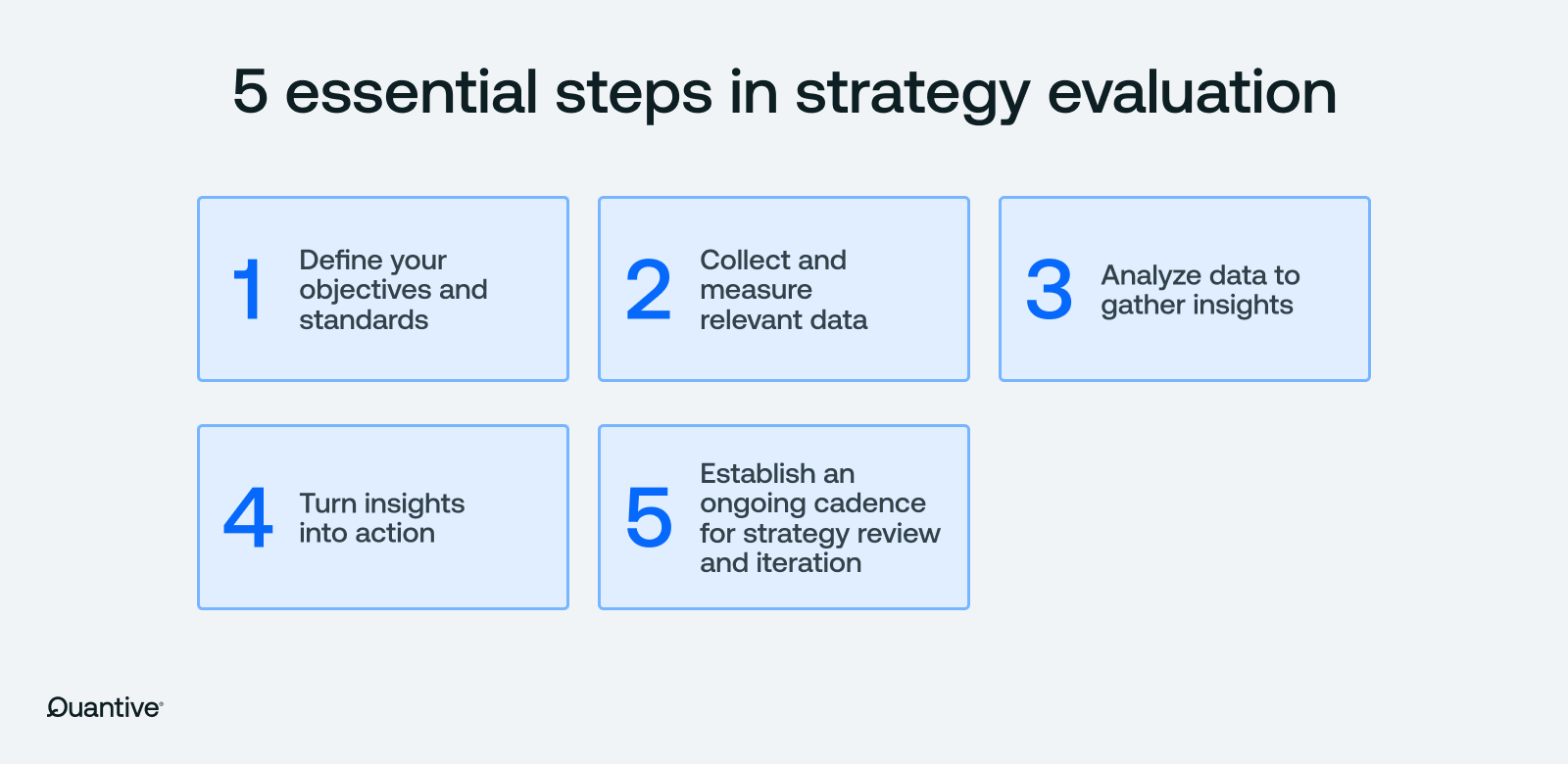
With detection proving ineffective, the ministry has pivoted toward redefining evaluation itself. The 2025 framework emphasizes “reasoning” and “problem-solving” over rote production, urging schools to diversify assessments. Oral exams, in-class assignments, and process-based questions are gaining traction as ways to verify comprehension. The CFDT Education union advocates for expanded oral evaluations, arguing they better measure true mastery. Yet the SNES-FSU union warns against over-reliance on digital tools, citing both ethical concerns and environmental costs.
On the ground, some teachers have reverted to pre-digital methods: handwritten exercises, spontaneous quizzes, and oral presentations. Others now require students to explain their reasoning step-by-step, forcing them to demonstrate understanding beyond surface-level output. Meanwhile, exam-day fraud controls have tightened. Phones, smartwatches, and connected devices are banned, with randomized detector scans and secure lockers deployed in testing centres.
What Comes Next?
Analysts expect the debate to intensify as AI tools evolve. Possible next steps could include:
- Wider adoption of hybrid evaluations, blending written and oral assessments to cross-verify skills.
- Stricter guidelines on when AI may be used—perhaps with teacher-supervised prompts—as a teaching aid rather than a shortcut.
- Pressure on tech companies to develop more transparent detection methods, though ethical concerns about bias and false positives will persist.
The ministry’s challenge isn’t just enforcing rules, but ensuring the baccalauréat remains a credible benchmark of achievement—even as the tools available to students transform.

Frequently Asked Questions
[Question 1]
Is using AI for homework considered cheating in France?
The Ministry of Education’s 2025 framework explicitly states that using AI to complete assignments without authorization or personal adaptation constitutes academic fraud. However, enforcement remains difficult due to detection tool limitations.
[Question 2]
Why does France discourage AI detection tools?
The ministry cites studies showing these tools are unreliable, often producing false positives that could unfairly penalize students. Even minor edits to AI-generated text can make it undetectable, undermining their effectiveness.
[Question 3]
How are French schools changing their grading methods?
Schools are shifting toward oral exams, in-class assignments, and process-based questions to verify understanding. Some teachers now require students to explain their reasoning or demonstrate step-by-step problem-solving to ensure genuine effort.
In an age where AI can mimic human thought, how should education systems measure what students truly know—and what they’ve merely been taught to produce?