
How the Dobbs Decision Is Reshaping US Politics
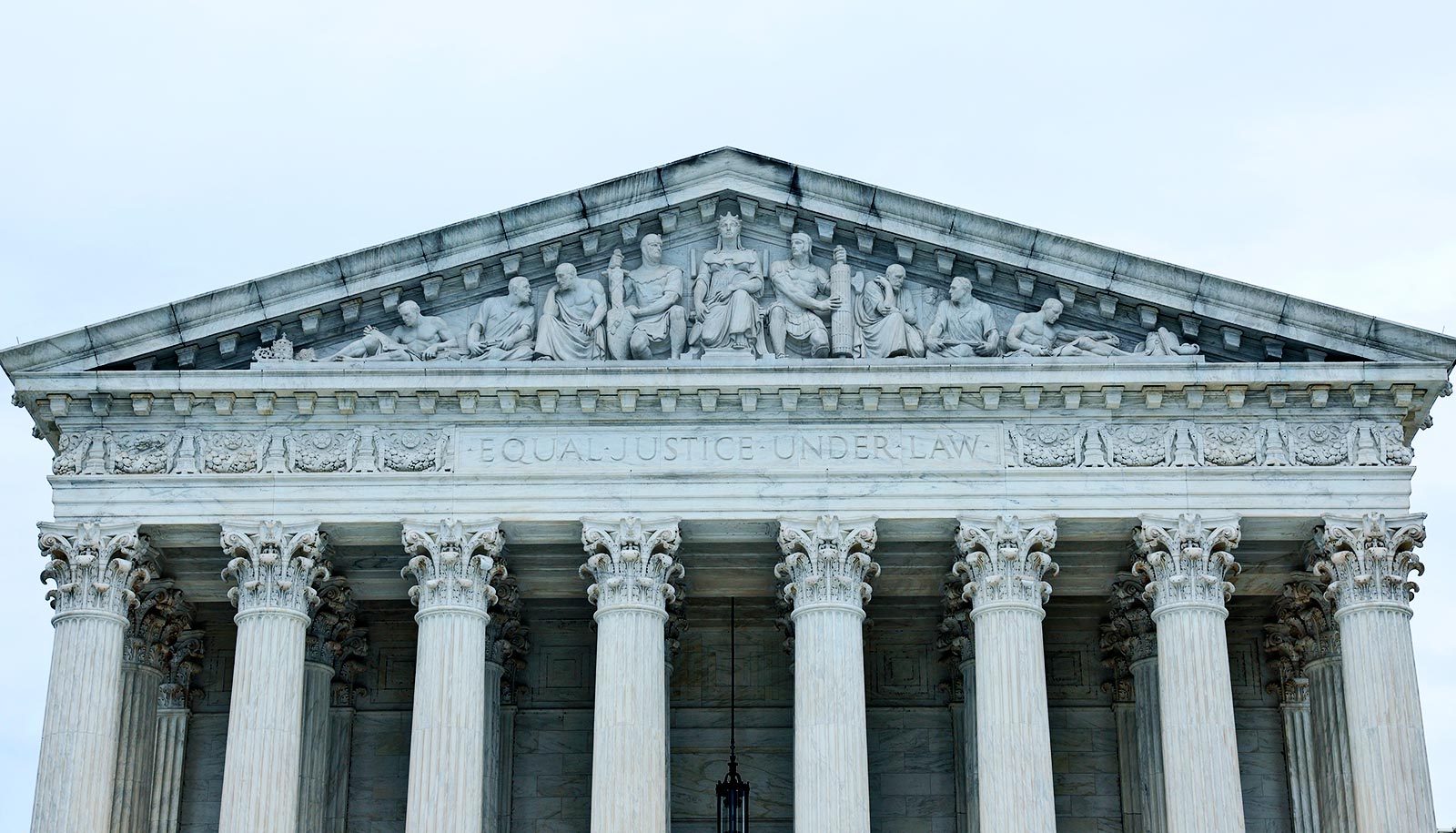
The 2022 Supreme Court ruling in Dobbs v. Jackson Women’s Health Organization has significantly altered access to abortion and prenatal health care while simultaneously reshaping the political landscape of the United States. A new analysis, detailed in the 2026 book Not Going Back (Temple University Press), examines how this decision continues to influence voter behavior and public perceptions of American political institutions.
How the Dobbs decision influences voter behavior
According to Steve Greene, a professor of political science at NC State and coauthor of Not Going Back, the Dobbs decision acts as a catalyst for ongoing changes in how citizens engage with politics. The book utilizes extensive survey data to map these shifts, suggesting that the ruling has had a measurable impact on the priorities of the electorate.
What may happen next in the political landscape
As the influence of the Dobbs decision persists, analysts expect further developments in how political campaigns and voters prioritize prenatal and abortion-related health policy. While the long-term trajectory remains subject to evolving public sentiment, the data provided in Not Going Back suggests that the decision will continue to be a primary factor in how voters view political institutions.

Frequently Asked Questions
What is the primary focus of the book “Not Going Back”?
The book, published by Temple University Press in 2026, analyzes how the 2022 Dobbs decision impacts voter behavior and public attitudes toward political institutions.
How has the Dobbs decision affected healthcare?
According to the analysis, the 2022 ruling has resulted in far-reaching consequences for women’s access to both abortion services and prenatal health care.
Who conducted the analysis on these political trends?
The analysis was conducted by coauthors including Steve Greene, a professor of political science at NC State.
How do you believe shifting attitudes toward political institutions might influence future health policy discussions in your state?