

How the First Asian Supermodel China Machado Changed Fashion
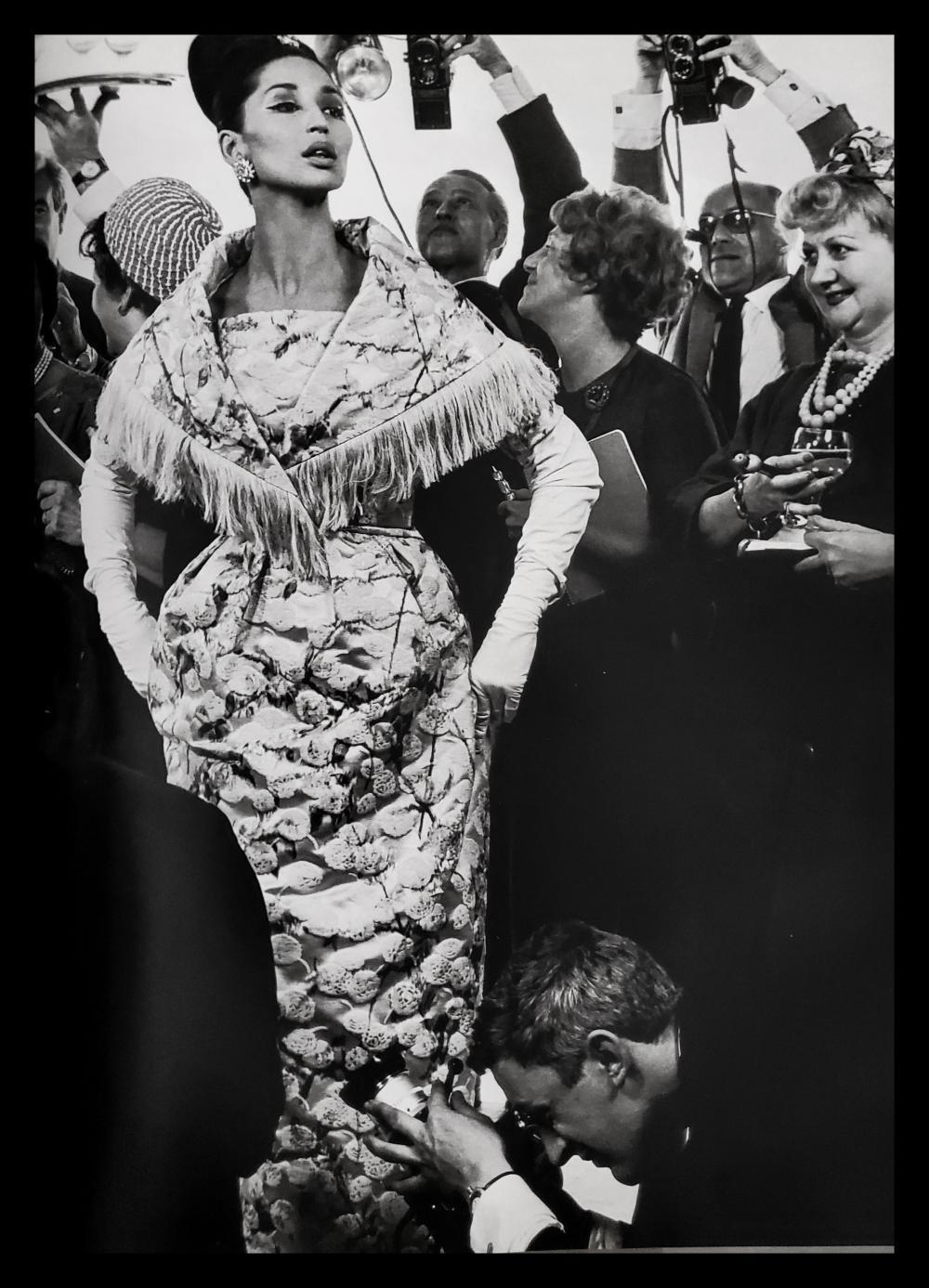
In 1959, a single photograph taken by Richard Avedon transformed the trajectory of fashion history. The subject was China Machado, a model of Siamese and Portuguese descent whose striking presence prompted Avedon to tell Women’s Wear Daily in 1967, “She’s probably the most beautiful woman in the world.” This moment not only launched a legendary career but also marked the emergence of the first model of colour to grace the pages of a major magazine.
A Career Defined by Firsts
Machado’s rise was as swift as it was groundbreaking. After beginning her modeling career in Paris during the 1950s, she worked with powerhouse houses including Dior, Balenciaga and Givenchy. Her move to New York, prompted by Oleg Cassini, led to a pivotal friendship with Diana Vreeland, who introduced her to Avedon. By 1962, she transitioned from in front of the lens to behind the scenes, beginning an 11-year tenure at Harper’s Bazaar, where she served as senior fashion editor and later fashion director.

Did You Know? China Machado was a true polyglot who spoke seven languages, a skill that complemented her multifaceted career as a model, fashion editor, designer, and television producer.
The Significance of a Pioneer
Machado’s influence extended far beyond her initial modeling success. In 1971, she made history again by appearing on the cover of Harper’s Bazaar while serving as its fashion editor. Her career was characterized by a refusal to be categorized, moving seamlessly between high-fashion editorial work and the production of early television commercials for brands like AT&T and Virginia Slims. Even in her later years, she maintained her presence in the industry, returning to the runway at age 81.
Expert Insight: Machado’s legacy serves as a critical case study in the evolution of fashion media. By balancing the roles of muse, editor, and producer, she challenged the industry’s rigid structures. Her career suggests that the most lasting changes in fashion often occur when individuals leverage their visibility to gain institutional power, effectively shifting the internal narrative of the publications that define beauty standards.
Looking Ahead
As the industry continues to navigate the complexities of diversity and representation, the path forged by Machado remains a blueprint for future generations. Her career will continue to be cited as a foundational point for discussions regarding inclusivity in editorial leadership. Future analysts may look to her transition from model to editor as a primary example of how industry insiders can enact change from within, potentially influencing how modern magazines approach the balance between traditional aesthetics and the need for evolving, representative perspectives.
Frequently Asked Questions
Who was China Machado?
China Machado was a pioneering model, fashion editor, designer, and television producer of Siamese and Portuguese heritage who became the first model of colour to grace the pages of a major magazine in 1959.
What was the significance of the 1971 Harper’s Bazaar cover?
The cover was a pioneering moment that broke the racial barrier in fashion, featuring Machado at a time when she was serving as the magazine’s fashion editor.
What were some of Machado’s contributions to fashion beyond modeling?
Beyond her modeling work, she served as a fashion editor and director for 11 years, produced early television commercials, designed for her own label, Cheena, and remained active in the industry until her death in 2016 at age 86.
How do you believe the role of the “fashion editor” has changed since China Machado’s era?