
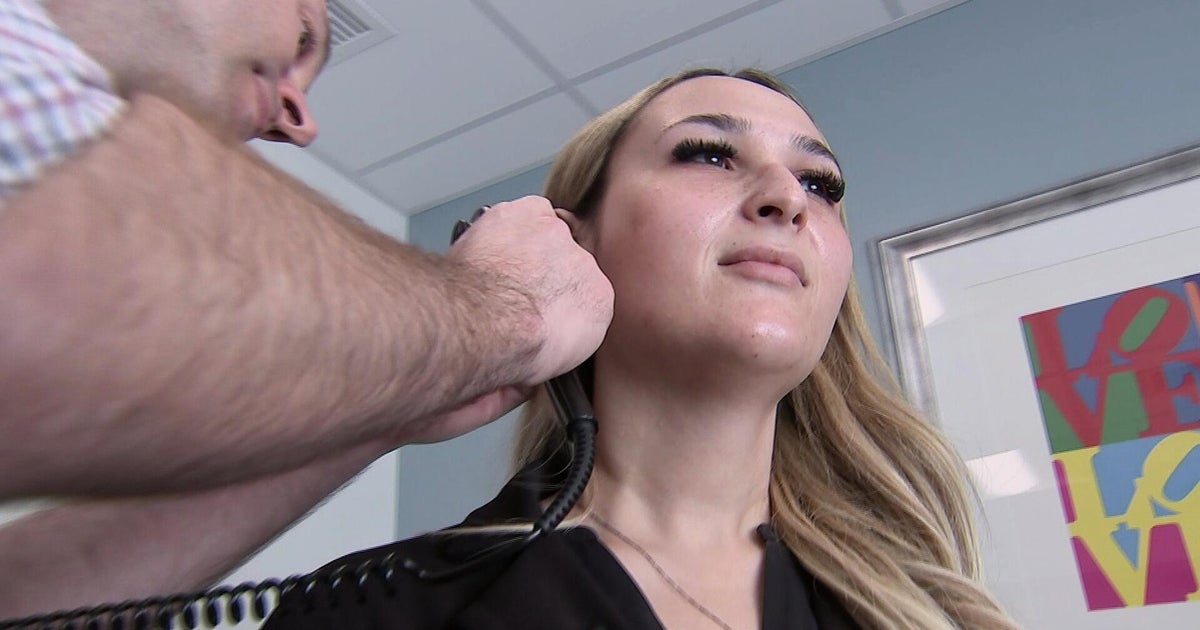
How this New Jersey healthcare clinic is empowering LGBTQ+ community
Cooper University Health Care has established the Center for LGBTQ+ Health in Collingswood, New Jersey, to provide specialized medical services. The clinic offers routine care, gender-affirming therapy, and HIV prevention, filling a need for culturally competent healthcare in suburban regions, according to facility directors.
What services does the Center for LGBTQ+ Health provide?
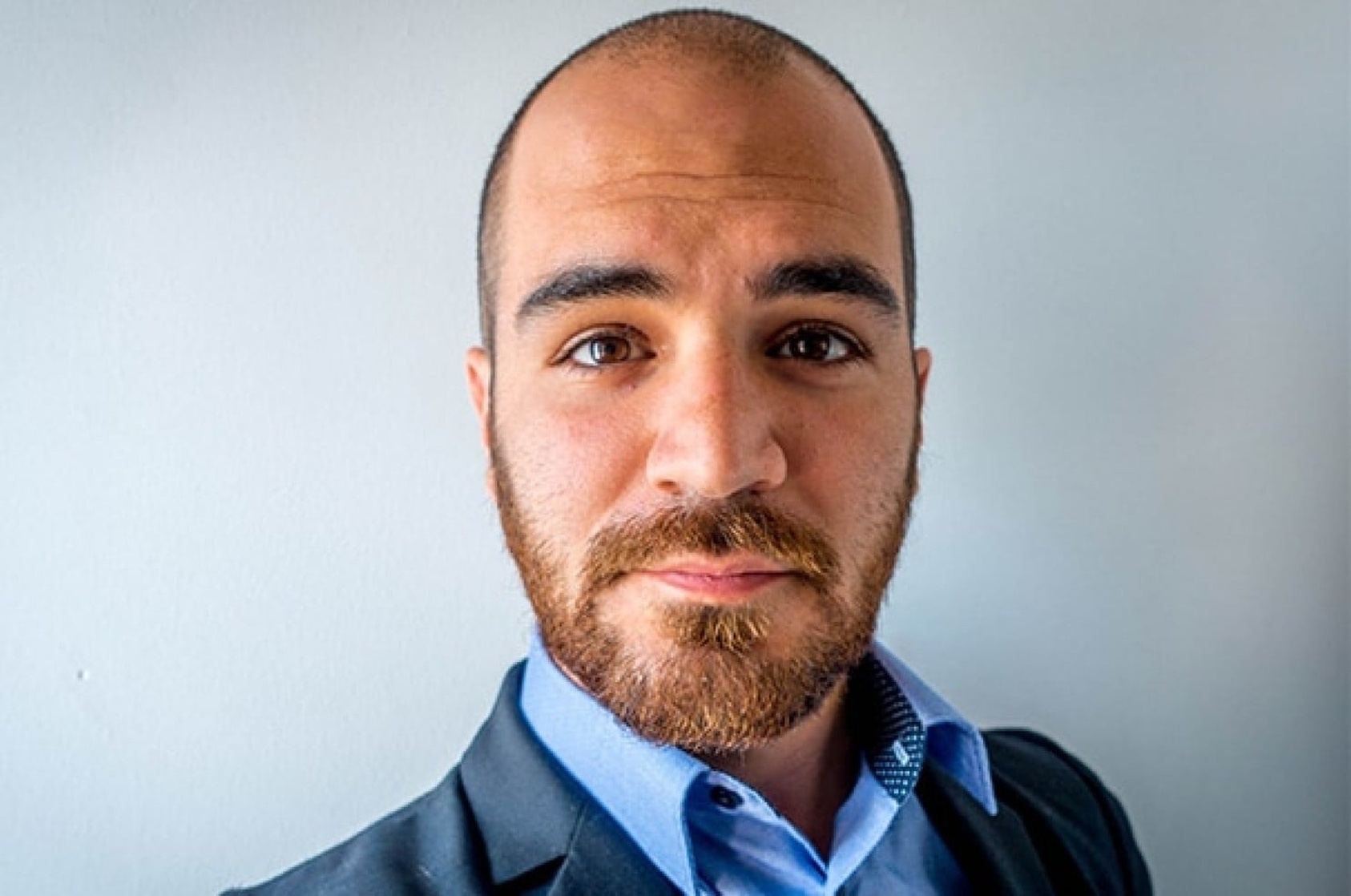
The clinic provides a range of medical needs, including HIV prevention and gender-affirming therapy. Medical director Dr. Justin Schweitzer stated the facility includes six exam rooms, a medication closet, and an on-site Labcorp.
Patients use the center for both specialized and general health maintenance. Jay Austin, a 70-year-old resident of Audubon, New Jersey, uses the clinic for primary care needs including cholesterol and blood pressure monitoring.
Kamari Vilches, a 25-year-old trans woman, visits the clinic every three months for hormones. Vilches described the center as a “lifeline” and noted that the welcoming environment allows her to grow both medically and individually.
Why is a specialized clinic necessary in suburban New Jersey?
A report from GLAAD indicates that discrimination and stigma continue to be obstacles for LGBTQ+ community members seeking appropriate medical care. This environment has left many patients uncomfortable visiting standard medical facilities, according to Jay Austin.
Dr. Schweitzer noted that some patients travel from significant distances to reach the Collingswood clinic. He attributed this to a feeling that their local doctors are not knowledgeable or culturally competent enough to provide the necessary care.
How does this reflect broader healthcare trends?
Specialized LGBTQ+ clinics were historically concentrated in large cities. The presence of this facility in a tree-lined suburb highlights the geographic diversity of the community, according to physician assistant Ryan Kirker.
Kirker stated that LGBTQ+ individuals live in cities, suburbs, and small towns, meaning care should meet patients where they are located. The clinic’s goal is to empower patients to receive inclusive healthcare regardless of their zip code.
What may happen next for regional LGBTQ+ care?
Because the clinic is already attracting patients from outside the immediate area, it is possible that more suburban regions could see a demand for similar specialized centers. This trend may lead to a broader distribution of inclusive clinics across New Jersey.
Increased access to culturally competent care could likely result in more LGBTQ+ seniors and young adults seeking routine preventative screenings, as seen with the primary care usage reported by patients like Jay Austin.
Frequently Asked Questions
What specific medical services are available at the Center for LGBTQ+ Health?
The clinic provides routine medical care, gender-affirming therapy, and HIV prevention.
Why are patients traveling from far away to visit this clinic?
According to Dr. Justin Schweitzer, patients travel because they feel their current doctors lack the cultural competence or knowledge to care for them.
Where is the clinic located?
The clinic is located in Collingswood, a suburb in South Jersey.
Do you believe the expansion of specialized clinics into suburban areas will improve overall healthcare outcomes for the LGBTQ+ community?