

How to Deactivate or Delete Your Twitter Account
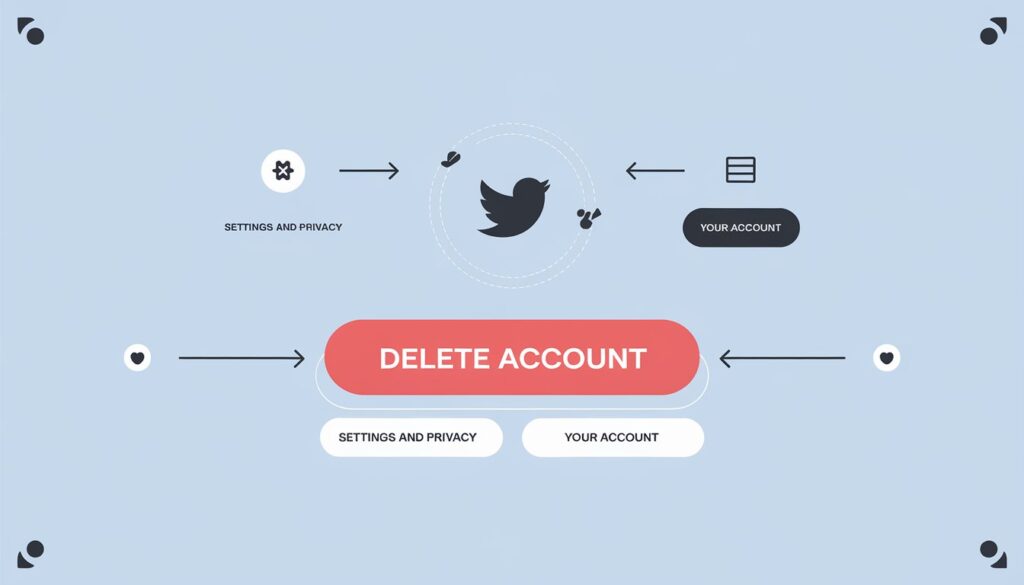
Users can permanently remove their X (formerly Twitter) accounts by selecting “Deactivate your account” under the “Your account” settings. According to X’s platform guidelines, accounts remain in a deactivated state for 30 days before the system permanently deletes all associated data and handles, provided the user does not log back in.
Why are more users choosing to deactivate social media accounts?
Platform volatility drives user exodus. Since Elon Musk acquired Twitter in October 2022 and implemented sweeping layoffs of executive and moderation staff, a segment of the user base has shifted toward “digital detoxing” or permanent deletion. This trend stems from a lack of trust in centralized ownership.

Pew Research Center data indicates a growing trend of “social media fatigue,” where users report feeling overwhelmed by algorithmic feeds and polarized discourse. When a platform’s leadership changes fundamentally, users often view account deactivation as a tool for reclaiming mental agency.
What happens next in the shift toward decentralized social media?
The rise of the “Fediverse” represents the primary alternative to corporate-owned platforms. Instead of one entity owning the servers, decentralized networks like Mastodon and Bluesky distribute control across various independent servers.
This shift creates a contrast in data ownership. On X, the company controls the user’s handle and data. On federated platforms, users can often move their followers and data from one server to another. This “data portability” reduces the risk associated with a single controversial owner changing the rules of the platform overnight.
Industry analysts note that the “Great Migration” seen during the 2022 Twitter transition serves as a precedent for future platform shifts. Users no longer view social media as a permanent home, but as a rented space subject to the whims of the landlord.
How does the 30-day deletion window influence user behavior?
The 30-day window acts as a psychological safety net. It allows users to react emotionally to a news cycle or a platform change without losing years of digital history. However, this window also serves the platform by providing a window for “re-engagement” campaigns.
Comparatively, some privacy-focused platforms offer immediate deletion to comply with stricter GDPR (General Data Protection Regulation) standards in Europe. X’s 30-day hold is a standard industry practice that balances user regret with data management.
For those seeking a total exit, the process requires a disciplined lack of interaction. A single login attempt during those 30 days resets the clock, effectively canceling the deletion request. This mechanism often keeps “churning” users within the ecosystem longer than they intended.
Comparing Platform Exit Strategies
| Feature | X (Twitter) | Decentralized (e.g., Mastodon) |
|---|---|---|
| Deletion Process | 30-day deactivation first | Varies by server admin |
| Data Ownership | Owned by X Corp | User-portable (mostly) |
| Recovery | Easy within 30 days | Difficult/Impossible after deletion |
Frequently Asked Questions
Will my tweets disappear from Google immediately after deactivation?
No. While the tweets are removed from X, search engines like Google may keep cached versions of your profile and posts in their index for several days or weeks.
Can I change my username instead of deleting my account?
Yes. Changing your handle allows you to rebrand without losing your followers or history, avoiding the 30-day deletion cycle entirely.
Does deactivating my account hide my direct messages?
Deactivation hides your profile and tweets from public view, but messages you sent to other users may still be visible in their inbox.
Do you think decentralized platforms will eventually replace corporate social media, or is the convenience of a “single town square” too strong to give up? Share your thoughts in the comments below or subscribe to our newsletter for more updates on digital sovereignty.