

How to find mental health support in Columbus
One in five U.S. adults experiences mental illness annually, according to the National Alliance on Mental Illness (NAMI). In central Ohio, residents can access support through the Columbus Medical Association’s Physicians CareConnection, ADAMH of Franklin County, and NAMI Franklin County, alongside new 24/7 crisis services and clinician-led emergency responses.
How do I know when it is time to seek mental health help?
It’s important to realize you aren’t alone in your struggle. NAMI reports that one in five adults in the U.S. deal with mental illness each year, which can impact everything from family dynamics to professional performance.
If you’re questioning whether you need help with addiction or mental health, the first step is contacting a physician or mental health professional. They can help you determine the best next steps and resources for your specific situation.
Where can residents find mental health support in central Ohio?
Those without a primary care physician can reach out to major health systems or private practices in central Ohio to find doctors accepting new patients. Several local organizations also provide coordination for non-emergency situations.
Physicians CareConnection (PCC), affiliated with the Columbus Medical Association, helps coordinate care for vulnerable adults. Through the PCC Center for Optimal Health, they provide medical, dental, and prenatal services, and can connect patients to doctors for addiction or mental health challenges at (614) 884-2441.
Other key resources include the Alcohol, Drug and Mental Health Board (ADAMH) of Franklin County, which offers affordable care for recovery and counseling via adamhfranklin.org. NAMI Franklin County also provides support groups and resources for families and caregivers at namifranklincounty.org.
What new crisis response models are available in Columbus?
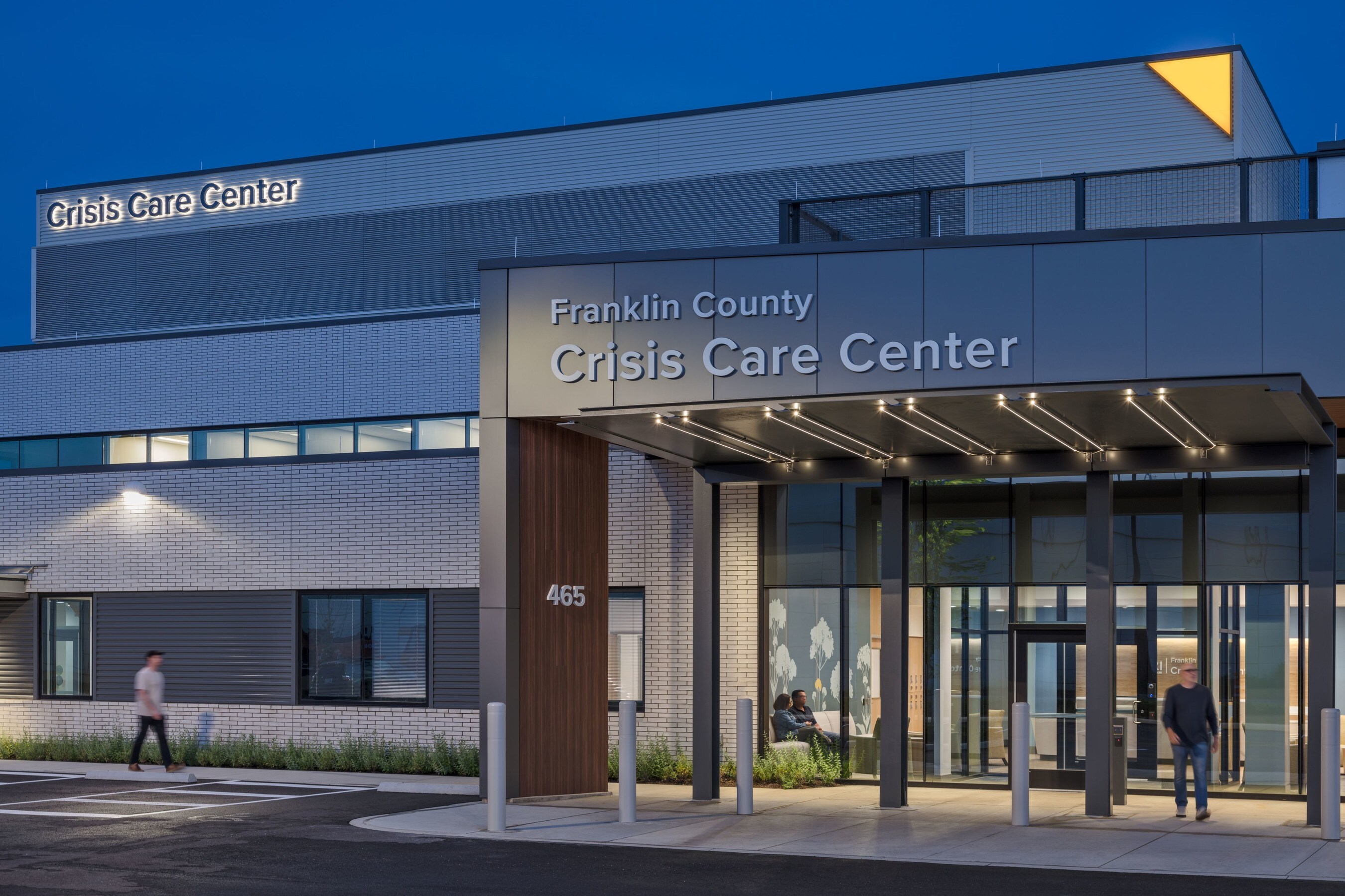
Columbus is moving toward comprehensive, accessible services. This includes the aforementioned 24/7 ADAMH Franklin County Crisis Care Center that opened last year.
Additionally, voters approved Issue 5. This measure will formalize a community crisis response division within the city’s Department of Public Safety, allowing social workers, trained clinicians, and peer supporters to respond to mental health emergency calls.
This expansion could lead to a more specialized approach to emergency services. It is likely that these alternative models will reduce the reliance on traditional police responses for mental health crises.
How can the community help break the mental health stigma?
Breaking the stigma often starts with sharing facts, resources, and personal stories. Because millions of Americans feel uncomfortable discussing these issues, standing with the community shows others they don’t have to struggle alone.

Toolkits for raising awareness are available through NAMI and the American Psychiatric Association Foundation’s Mental Health Care Works website at mentalhealthcareworks.org.
For anyone experiencing an immediate mental health crisis, calling or texting 988 connects individuals with trained specialists immediately.
Frequently Asked Questions
Who should I contact first if I think I need mental health help?
The first step is to contact your physician or a mental health professional to discuss your feelings and determine the best resources.
What is the purpose of the 988 number?
Calling or texting 988 connects you with trained specialists who can provide support during a mental health crisis.
What does Issue 5 do for the city of Columbus?
Issue 5 expands and formalizes a community crisis response division within the Department of Public Safety, enabling clinicians and social workers to respond to mental health-related emergency calls.
What steps do you think are most effective for breaking the stigma around mental health in your own community?