

How to Improve Your Gut Health: Why Protein Variety and Fiber Matter
Maintaining digestive health requires a holistic approach that extends beyond simple dietary choices, according to recent health insights. Experts emphasize that factors such as stress management, physical exercise, and consistent sleep patterns are just as critical as food intake for supporting a balanced gut microbiota. Dr. Tim Spector, an epidemiologist and professor at King’s College London, notes that while diet is fundamental to preventing dysbiosis, achieving optimal well-being necessitates a comprehensive lifestyle strategy.
While many individuals focus exclusively on protein intake, research suggests that 90% of the population may be deficient in fiber, a nutrient essential for feeding gut microbes.
The Role of Protein and Fiber Variety
Modern dietary trends often prioritize high protein consumption, yet Dr. Spector warns against neglecting the diversity of these sources. Although most people consume sufficient protein, he suggests that shifting focus toward varied sources—such as legumes, beans, mushrooms, and whole grains like barley and quinoa—provides both necessary protein and essential fiber. By relying solely on meat or eggs, individuals risk depriving their gut microbes of the fuel they require to thrive.
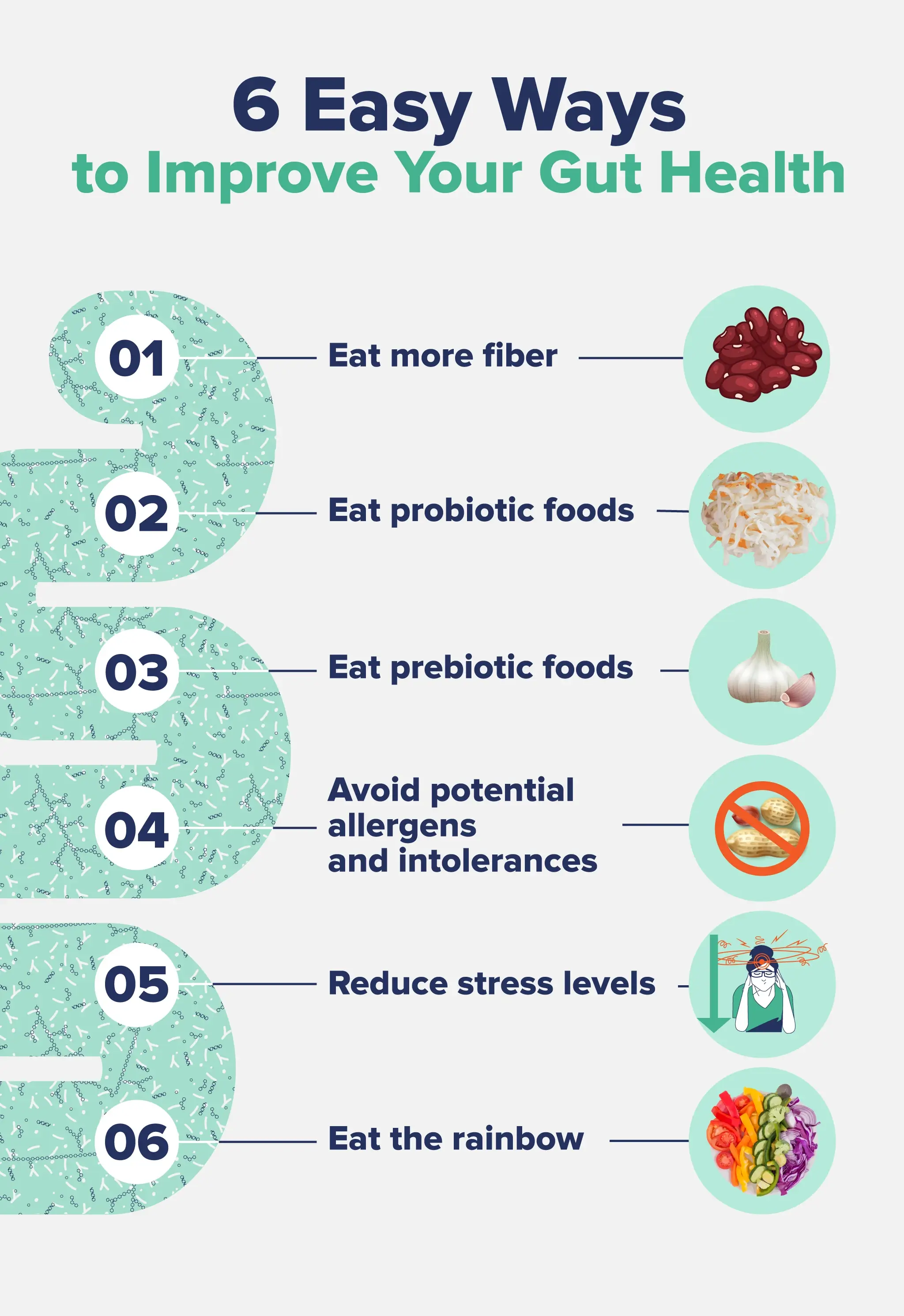
Building a Microbiota-Friendly Lifestyle
Beyond protein variety, maintaining a healthy gut involves incorporating specific food groups and habits. Experts recommend a diet rich in fermented foods, a wide variety of vegetables and fruits, seeds, nuts, and whole grains. Additionally, strategies like time-restricted eating and the consumption of beverages such as coffee have been identified as potentially beneficial for gut health. Because gut microorganisms influence overall health in numerous ways, experts suggest that viewing these habits as a collective lifestyle is more effective than focusing on isolated dietary changes.
The shift from viewing health through the lens of individual nutrients to a systemic lifestyle approach marks a significant evolution in nutritional science. By prioritizing fiber-rich plant proteins alongside stress and sleep management, individuals may be able to better regulate their microbiome, potentially mitigating the risks associated with chronic, low-grade inflammation.
What Happens Next?
As researchers continue to study the complex interactions within the digestive system, it is likely that health guidelines will increasingly emphasize the importance of microbial diversity. Future developments may include more personalized dietary recommendations based on individual microbiota profiles. For now, experts expect that the trend toward diverse, fiber-forward plant proteins will continue to gain traction as a primary method for supporting gut function.
Frequently Asked Questions
What is the main risk of an unbalanced gut microbiota?
An imbalance, known as dysbiosis, can negatively impact overall health and well-being.
Are eggs and meat the only way to get enough protein?
No, experts suggest diversifying protein sources by including beans, legumes, mushrooms, and whole grains, which provide the added benefit of fiber.
Does exercise affect gut health?
Yes, physical exercise, alongside rest and stress management, is considered a fundamental pillar of a lifestyle that supports a healthy gut.
Which of these lifestyle changes do you find most challenging to incorporate into your daily routine?