
How to Login to WhatsApp With an Expired Phone Number
WhatsApp users can recover accounts from expired phone numbers by utilizing active sessions on linked devices, such as WhatsApp Web or Desktop, to initiate a number change. According to a technical guide from Detik, this method allows users to migrate their account to a new number without needing an SMS verification code from the deactivated SIM.
How can users recover WhatsApp accounts without an active SIM?
Recovery depends on existing access through linked devices. If a user is still logged into WhatsApp Web or a desktop application, they can bypass the traditional SMS verification process. Detik reports that users should first secure a new active phone number.
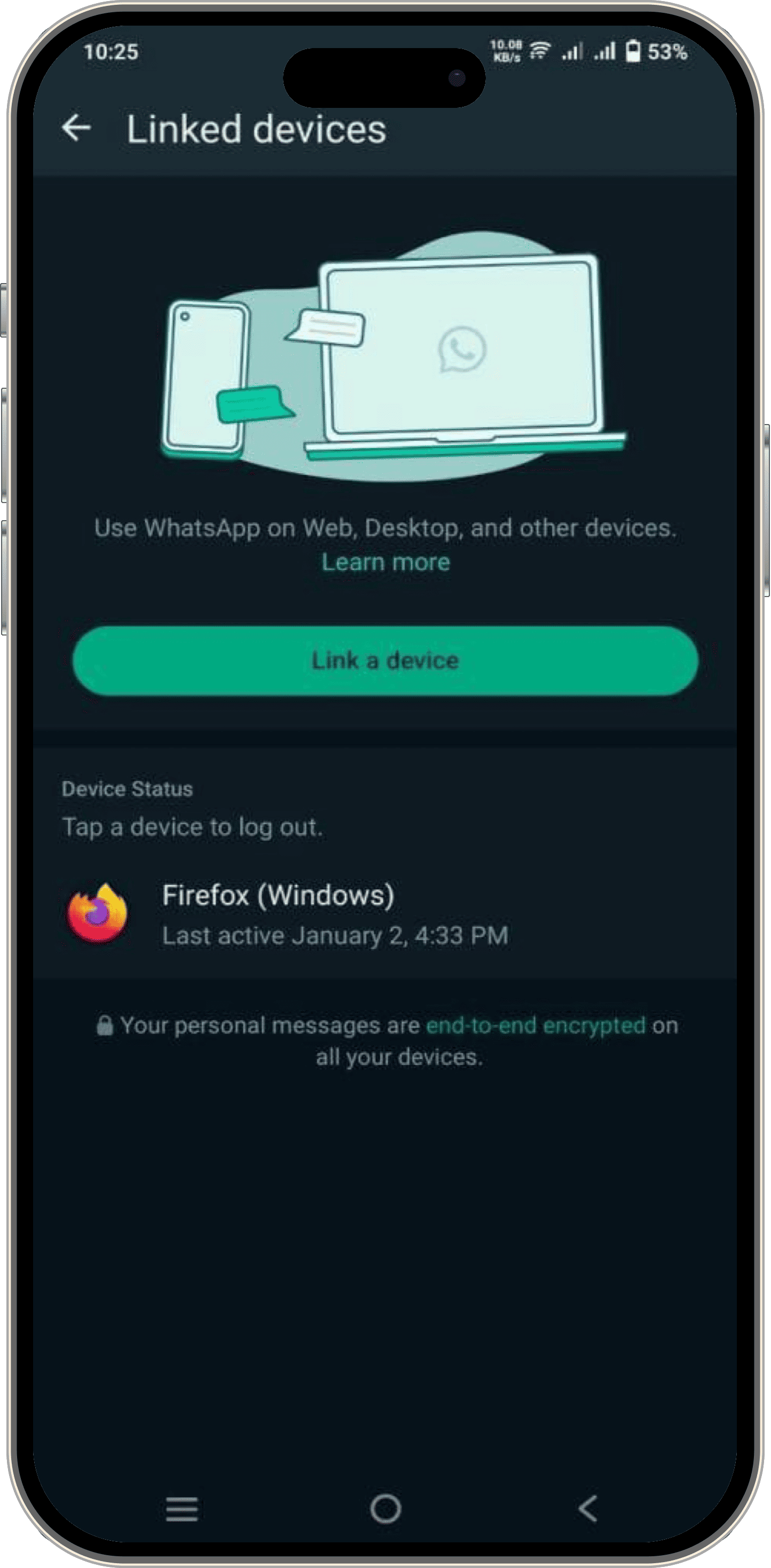
The process involves navigating to Settings > Account > Change Number on the active device. Once the new number is verified, the account history moves to the new identity. Users must perform a cloud backup via Google Drive or iCloud before this transition to prevent data loss.
Why is SIM recycling a security risk for messaging apps?
Mobile operators eventually recycle inactive phone numbers and sell them to new customers. When a number is reassigned, the new owner may attempt to register for WhatsApp. If the previous owner did not migrate their account or enable two-step verification, the new owner could potentially gain access to the account profile.
This creates a gap in digital identity. While the new owner cannot see old encrypted messages (which are stored locally or in the cloud), they can join existing groups or be contacted by people who still have the old number saved. This highlights the fragility of using a phone number as the sole primary identifier for a digital identity.
Will Passkeys replace SMS verification in the future?
Meta, the parent company of WhatsApp, is shifting toward Passkeys to reduce reliance on SMS. Passkeys use biometric authentication—like fingerprints or facial recognition—stored on the device rather than a code sent through a cellular network.
This trend addresses the “expired SIM” problem directly. By anchoring the account to a hardware device or a cloud-synced biometric key, the phone number becomes a secondary contact detail rather than the primary lock. This move aligns with industry standards set by FIDO (Fast IDentity Online) to eliminate phishing and SIM-swap attacks.
Comparing Recovery Methods
| Method | Requirement | Risk Level |
|---|---|---|
| SMS Verification | Active SIM Card | High (SIM recycling) |
| Linked Device | Active Web/Desktop Session | Medium (Session expiry) |
| Passkeys | Biometrics/Device Key | Low (Hardware bound) |
How do eSIMs change the account recovery landscape?
The transition to eSIMs removes the physical SIM card, but the underlying logic remains. An eSIM is still tied to a mobile account that can be deactivated for non-payment or inactivity. However, eSIMs allow for faster transfers between devices, reducing the window where a user is “locked out” during a hardware upgrade.
The long-term trend suggests a decoupling of the “communication line” (the phone number) from the “user identity” (the account). Industry experts suggest that as more services move to decentralized identifiers (DIDs), the risk of losing an account due to a lapsed telco contract will vanish.
Frequently Asked Questions
Can I recover my account if I don’t have a linked device?
No. If the SIM is expired and no other devices are logged in, you cannot receive the verification code. You must contact your mobile provider to see if the number can be reactivated.
Will my chats be deleted if I change my number?
Not if you follow the “Change Number” feature in settings and have a recent backup on Google Drive or iCloud. This migrates your chat history to the new number.
Does two-step verification help with expired numbers?
Yes. Two-step verification adds a PIN. Even if a new person gets your recycled number, they cannot access your account without that specific PIN.
Have you ever lost access to an account because of an expired SIM? Share your experience in the comments below or subscribe to our newsletter for more digital security guides.