
How to Lower Blood Sugar at Night: Simple and Effective Habits
According to a June 13, 2026, report from Eating Well, nighttime routines after 5:00 PM significantly influence blood sugar stability for individuals with diabetes or prediabetes. Key strategies include 15-to-20-minute post-dinner walks, specific meal plating, and stress management to reduce glucose spikes and improve insulin sensitivity.
How does post-dinner activity affect blood sugar?
Walking for 15 to 20 minutes after dinner helps the body manage blood sugar levels more effectively, according to Eating Well. This light activity increases insulin sensitivity and reduces glucose spikes that often occur after eating.
Consistent evening movement provides a practical way to control metabolic health without requiring drastic lifestyle overhauls. It works by helping the body process glucose more efficiently during the evening hours.
What is the “diabetes plate” method and eating order?
Experts recommend the “diabetes plate” to prevent rapid blood sugar increases caused by refined carbohydrates. According to Eating Well, this method divides a plate into three sections: half non-starchy vegetables, one-quarter lean protein, and one-quarter fiber-rich complex carbohydrates or starchy vegetables.
The sequence of consumption also alters the body’s glucose response. Eating vegetables first, followed by protein, and finishing with carbohydrates can suppress post-meal blood sugar spikes by slowing glucose absorption into the bloodstream.
How do sleep and stress impact glucose levels?
Chronic nighttime stress triggers the release of cortisol, a hormone that can increase blood sugar levels, according to the Eating Well report. To counter this, the report suggests relaxation practices such as meditation, light stretching, or breathing exercises before bed.
Sleep quality is equally vital for metabolic control. Research cited in the report links poor sleep or insufficient rest to higher fasting blood sugar, increased HbA1c, and a higher risk of insulin resistance, particularly for those with type 2 diabetes.
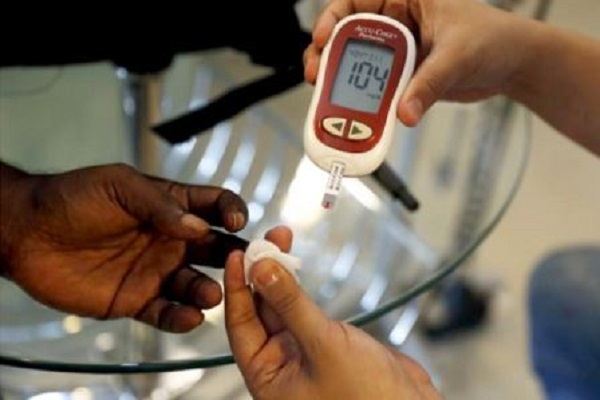
Maintaining hydration and regularly monitoring blood sugar levels are also listed as essential components of optimal management. Combining carbohydrates with protein and fiber further helps maintain stability over longer periods.
What may happen next with these routines?
Individuals who consistently apply these evening habits may see more stable blood sugar levels. A possible next step for those following these guidelines could be a gradual improvement in overall health quality through the integration of these practical daily solutions.

Frequently Asked Questions
How long should I walk after dinner to help my blood sugar?
According to Eating Well, walking for 15 to 20 minutes after dinner is effective for managing blood sugar and increasing insulin sensitivity.
What is the recommended order for eating food to avoid sugar spikes?
The recommended sequence is to eat vegetables first, followed by protein, and carbohydrates last.
Why does poor sleep affect people with type 2 diabetes?
According to the report, poor sleep quality is associated with increased HbA1c, higher fasting blood sugar, and a greater risk of insulin resistance.
Which of these nighttime habits do you find easiest to incorporate into your routine?