
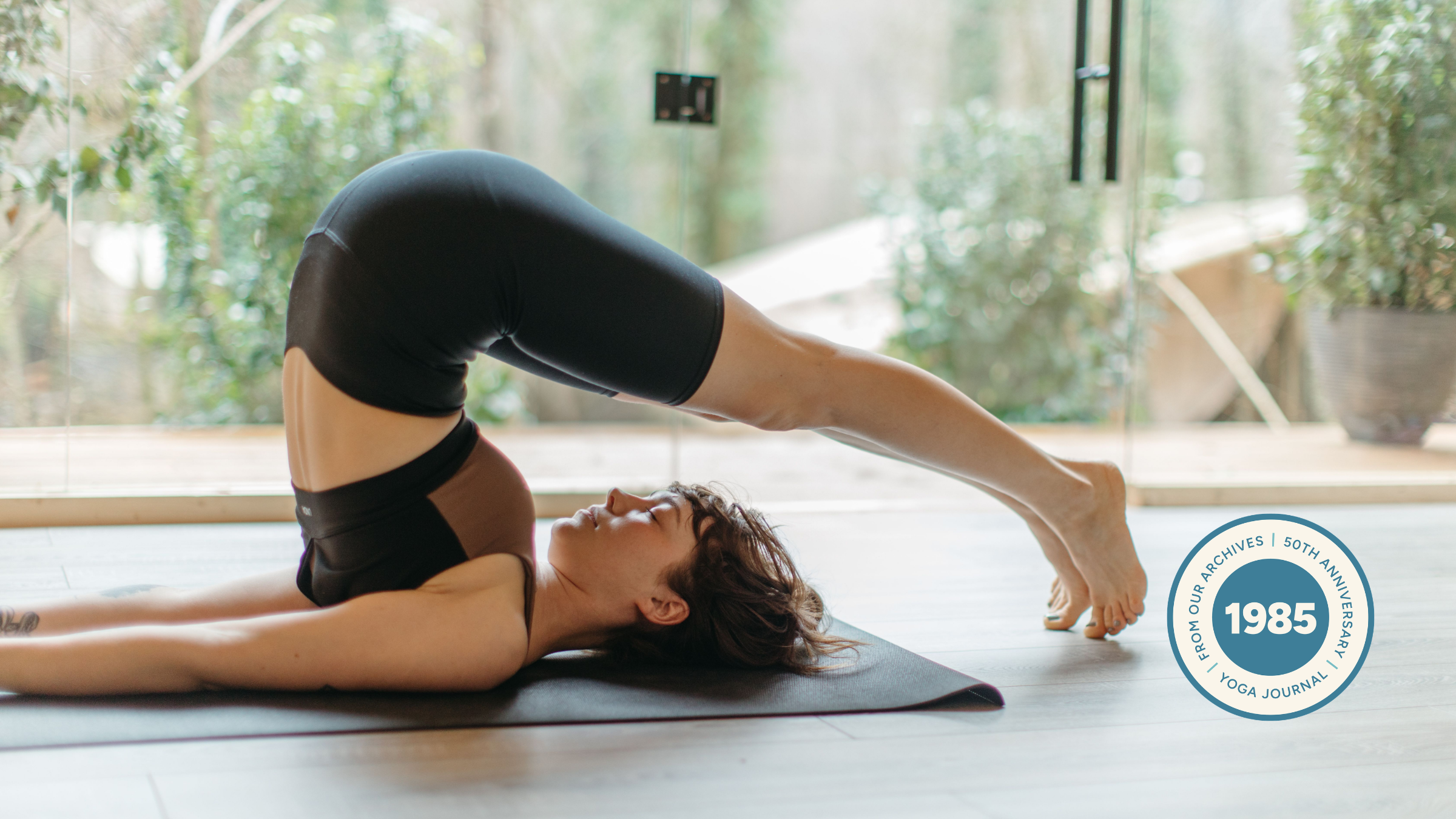
How to Practice Plough Pose (Halasana): Benefits and Technique
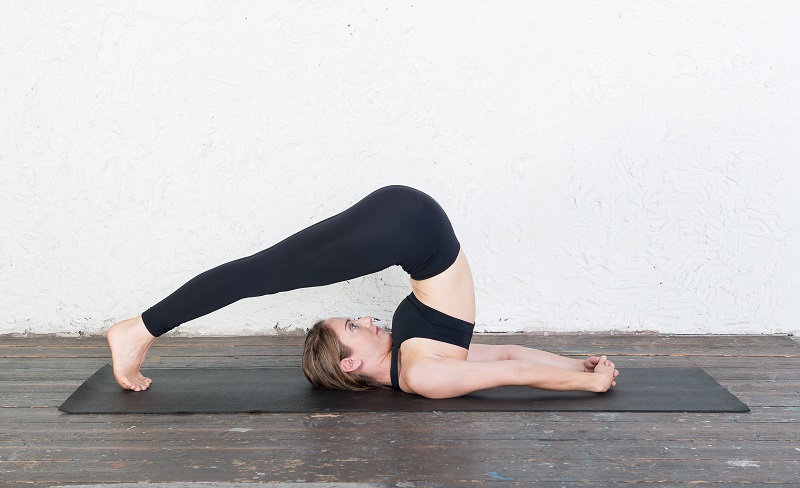
Halasana, commonly known as Plough Pose, is a traditional yoga posture that provides an intense stretch to the entire posterior vertebral column, from the cervical neck region to the sacrum. According to archival records, the pose serves as a functional extension of Sarvangasana (Shoulderstand) and requires careful alignment to protect the delicate cervical spine from excessive flexion and pressure.
The Plough Pose is considered an introspective asana that, because the head remains lower than the body, facilitates a cooling and quieting effect on the mind rather than stimulating energy.
Physical Benefits and Alignment
Practitioners of Halasana engage the muscles, ligaments, tendons, and fascia along the back of the spine. B. K. S. Iyengar notes that the pose is particularly effective for addressing stiffness in the shoulder joints, as the arms are placed on the floor with fingers interlocked to create extreme extension and external rotation. Additionally, the pose provides significant stretching to the hamstring muscles at the back of the thighs.
Safety Precautions for the Cervical Spine
To avoid placing dangerous weight on the neck, instructors recommend using firmly folded blankets under the shoulders. This setup prevents the cervical spine from losing its natural curve and allows the neck to remain in a neutral, comfortable position. If a student finds themselves unable to turn their head from side to side, it serves as a physical indicator that they may need additional support under their shoulders.
The emphasis on using props—such as blankets under the shoulders or a chair under the feet—reflects a disciplined approach to injury prevention. By prioritizing the structural integrity of the spine over the “outer form” of the pose, the practitioner balances physical safety with the intended internal, meditative state of the practice.
Correct Practice Sequence
The pose should not be attempted with momentum, such as throwing the legs over the head, as this risks straining the neck. Practitioners are advised to enter the posture slowly, ideally after moving into a Bridge position and establishing a steady Sarvangasana. It is generally recommended that a student be capable of holding a Shoulderstand for five minutes before attempting to transition into the Plough.
What May Happen Next
For students who struggle to keep the spine elongated, a possible next step involves using a bench or chair under the feet to prevent spinal collapse. Consistent practice, focused on maintaining a quiet mind and steady eyes, may eventually allow the practitioner to increase their hold time from 30 seconds to five minutes. As the technique improves, the reliance on the hands for pelvic support is expected to decrease, leading toward a more effortless execution.
Frequently Asked Questions
Is it necessary to practice Shoulderstand before Plough Pose?
Yes, the Plough is considered a continuation of the Shoulderstand. It should be practiced in conjunction with that pose, and students are encouraged to master the Shoulderstand first.
How can I prevent neck strain during the pose?
Use enough evenly folded, firm blankets under your shoulders so your head rests off the edge. This protects the cervical spine and maintains its natural curve.
What should I do if I cannot reach my feet to the floor?
If you cannot place your feet on the floor while keeping your spine long, you should use a support under your feet or place them against a wall to maintain a 90-degree angle between your legs and trunk.
How do you balance the physical demands of a pose with the need for internal stillness?