
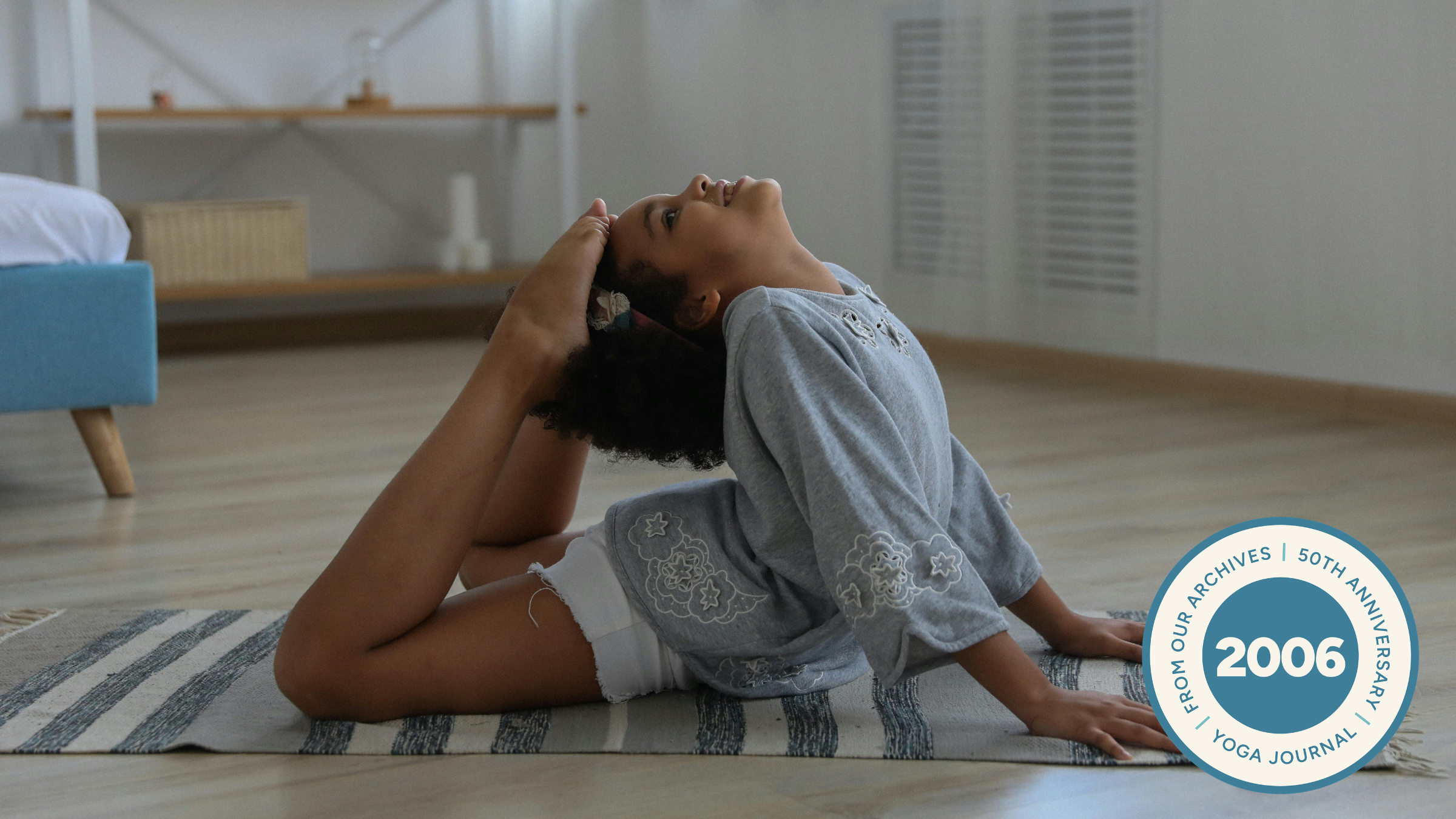
How to Prepare for King Pigeon Pose: A Guide to Advanced Backbending
For senior Iyengar Yoga teacher Patricia Walden, the practice of backbending is less about physical exertion and more about finding a sense of lightness. Drawing on a poem by Rumi, she describes the sensation of poses like King Pigeon (Rajakapotasana) as opening a window in the centre of the chest to allow a free flow of spirit.
While her current practice appears effortless, Walden emphasizes that this was not always the case. For years, she struggled with lower-back pain during backbends, a common hurdle for many students. Her journey highlights that the true value of these poses lies in the emotional and psychological release they offer when practitioners learn to let go of tension held around the navel, and diaphragm.
Did You Know? Senior Iyengar teacher Patricia Walden spent years struggling with lower-back pain during backbends before discovering the techniques that allowed her to practice them with ease and comfort.
The Disciplined Path to Advanced Poses
Mastering an advanced pose like King Pigeon requires more than just flexibility; it demands a strategic balance of strength and patience. Walden suggests that students study the foundational forms found in B.K.S. Iyengar’s Light on Yoga and identify where their own bodies require more stability or mobility.

Repetition serves as a vital tool in this process, likened by Walden to the chanting of a mantra. By repeating specific actions, the meaning and physical benefits of the pose eventually infuse the practitioner’s entire being, transforming a difficult movement into a more natural experience.
Expert Insight: The transition from struggling with a pose to finding “effortless magic” suggests that yoga is a cumulative process. By focusing on small, iterative improvements in alignment—such as protecting the lower back by lifting from the sternum rather than the navel—practitioners may avoid the common pitfall of aggressive, injury-prone training.
Sequential Preparation and Safety
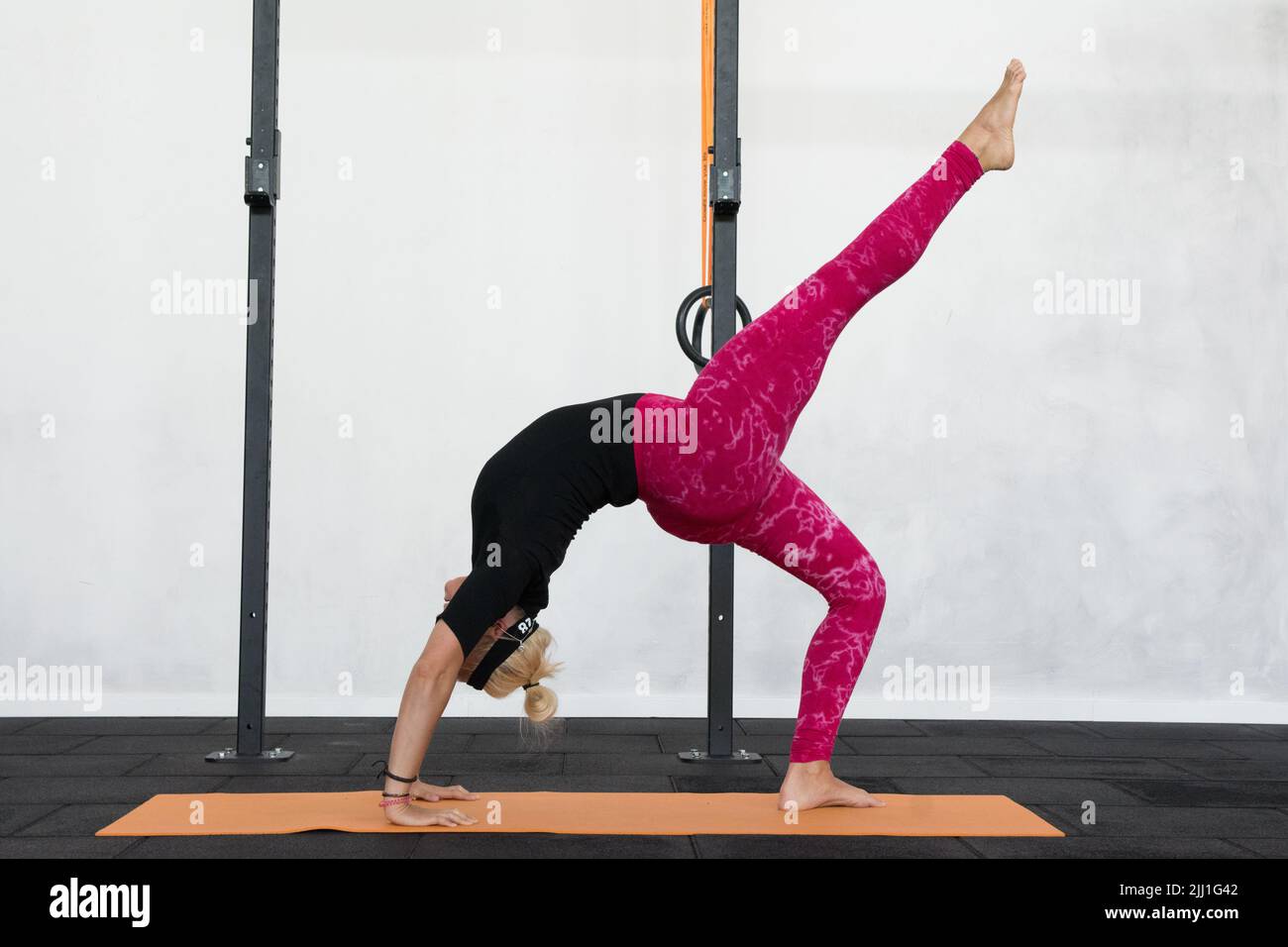
Walden advocates for a rigorous preparatory sequence to build the necessary strength in the arms, shoulders, and back extensor muscles. Before attempting King Pigeon, she recommends a strong backbending practice that includes poses such as Handstand, Downward-Facing Dog, Upward-Facing Dog, Camel Pose, Wheel Pose, and Two-Legged Inverted Staff Pose.
When working through these sequences, the goal is to maintain a “spacious” mind. If a practitioner becomes too goal-oriented, they risk moving aggressively, which can lead to physical contraction. Instead, Walden advises treating the practice like conducting a symphony, where constant, subtle adjustments create a harmonious and sustainable result.
What Happens Next
For those who consistently practice these preparatory actions, the body may gradually increase its capacity for deeper backbends. Over months or years of dedicated, internal work, the physical limitations in the groin and upper spine could diminish. As strength and flexibility grow, the full expression of King Pigeon Pose may eventually become accessible without the need for intense muscular strain.
Frequently Asked Questions
Why is it important to keep the mind “spacious” during a difficult pose?
According to Walden, a contracted mind often leads to aggressive physical movement. Maintaining a spacious, quiet mind allows a practitioner to remain sensitive and responsive to the body’s messages, helping them know when to move forward and when to back off.
What is the primary danger of practicing backbends incorrectly?
Pushing forward at the navel area creates compression in the lower back. To avoid this, practitioners should focus on lifting from the upper sternum and coiling the lower back ribs in and up.
Is achieving the full King Pigeon Pose the ultimate goal of the practice?
No, Walden suggests that each pose is simply a challenge designed to bring awareness to parts of the body and mind that are currently dull or unexplored. The goal is to avoid being too goal-oriented and instead focus on the internal process of transformation.
How has your own approach to physical challenges changed as you have gained more experience?