

How to Prepare Your Solar Generator for Weather Emergencies
The Evolution of Energy Resilience: Beyond the Basic Solar Generator
For years, the conversation around emergency power was simple: buy a gas generator, store some fuel, and hope for the best. Then came the portable power station—sleek, silent, and solar-ready. But as extreme weather events become the new normal, we are shifting from a mindset of “temporary backup” to “permanent resilience.”
The future of home energy isn’t just about having a battery in the closet. it’s about creating an ecosystem that thinks, adapts, and survives. We are moving toward a world where your power source isn’t just a tool, but an intelligent part of your home’s infrastructure.
Solid-State Batteries: The End of the Fire Risk?
One of the biggest anxieties for power station owners is battery chemistry. While Lithium Iron Phosphate (LiFePO4) has significantly improved safety over traditional Cobalt-based lithium batteries, the industry is eyeing a bigger leap: Solid-State Batteries (SSBs).
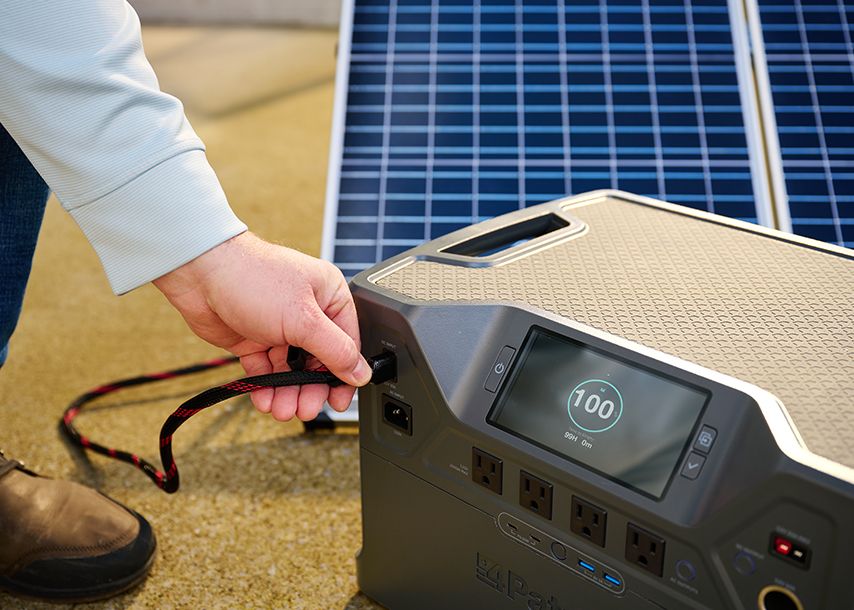
Unlike current batteries that use liquid electrolytes, SSBs use solid components. This eliminates the risk of “thermal runaway”—the technical term for when a battery catches fire. For someone living in a wildfire-prone area in the West or a flood-zone in the Southeast, this is a game-changer.
Beyond safety, SSBs offer higher energy density. Imagine a power station the size of a shoebox that can power a full-sized refrigerator for a week. We aren’t quite there yet for the average consumer, but prototypes from industry leaders suggest a commercial rollout in the coming years.
V2H: Your Electric Vehicle as a Giant Solar Generator
The most significant trend in energy resilience is Vehicle-to-Home (V2H) technology. Why buy a separate $3,000 power station when your EV battery is essentially a massive power bank on wheels?
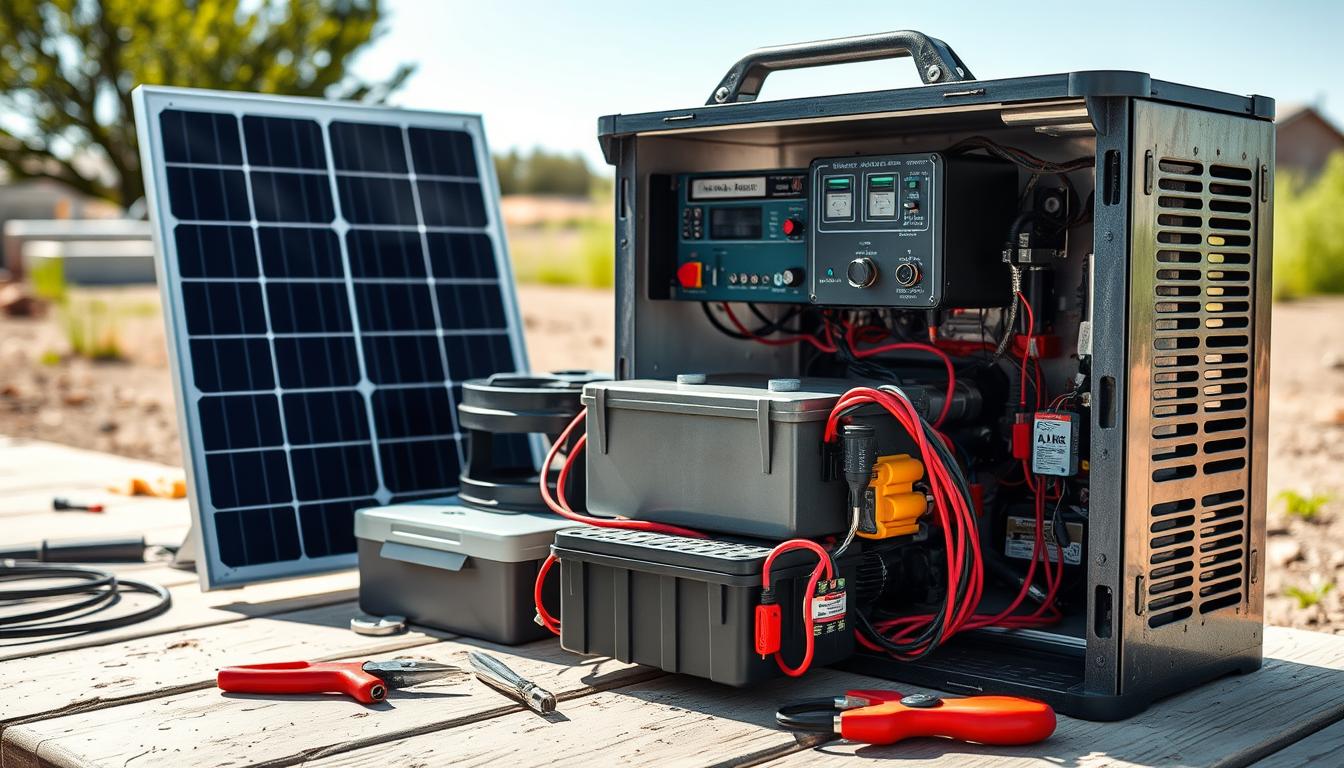
Companies like Ford and Tesla are already pioneering bidirectional charging. In a severe weather event, your car doesn’t just get you out of the danger zone—it keeps your lights on and your medical devices running. A typical EV battery can power an average home for several days, dwarfing the capacity of even the largest portable solar generators.
To learn more about how to integrate these systems, check out our guide on integrating EV charging with home solar.
AI-Driven Energy Orchestration
The next frontier isn’t hardware; it’s software. We are seeing the rise of AI Energy Management Systems (EMS). Instead of you manually deciding which appliance to plug in, an AI hub will manage your energy load based on real-time data.
Imagine a system that monitors weather forecasts. If a hurricane is predicted to hit the Gulf Coast in 48 hours, the AI automatically tops off your batteries, reduces non-essential power consumption, and alerts you to secure your solar panels. During the outage, it will automatically shift power from the “luxury” outlets to the “critical” ones (like your sump pump or CPAP machine) to stretch your reserves.
The Rise of Community Micro-grids
Individual resilience is great, but community resilience is better. The future points toward Micro-grids—localized energy networks that can disconnect from the main grid during a failure.
Using blockchain or smart-contract technology, neighbors with excess solar storage could potentially “sell” or share power with a neighbor whose system was damaged in a storm. This decentralization makes the entire neighborhood less vulnerable to a single point of failure, such as a downed high-voltage transmission line.
For more on the legalities of sharing power, visit the U.S. Department of Energy for current regulations on distributed energy resources.
Quick Comparison: Current vs. Future Power Tech
| Feature | Today’s Tech | Future Trend |
|---|---|---|
| Battery Type | LiFePO4 (Stable) | Solid-State (Ultra-Safe) |
| Control | Manual Switching | AI-Driven Orchestration |
| Capacity | Portable Units | V2H (Vehicle-to-Home) |
| Connectivity | Standalone | Community Micro-grids |
Frequently Asked Questions
Are solar generators actually reliable for long-term emergencies?
Yes, provided they are paired with sufficient solar panels. The reliability depends on your “energy budget”—knowing exactly how many watts your essential devices use per day.
Should I buy a portable power station now or wait for solid-state batteries?
If you live in a high-risk area, buy now. Current LiFePO4 technology is incredibly reliable and safe. Solid-state tech is promising but will likely be expensive for the first few years of consumer release.
Can solar panels work during a storm?
They work, but efficiency drops significantly due to cloud cover. This is why “hybrid” setups (solar + a backup generator or V2H) are the gold standard for true resilience.
Ready to Build Your Resilience Plan?
The weather is becoming less predictable, but your power doesn’t have to be. Whether you’re upgrading to a LiFePO4 system or planning for an EV-powered home, the best time to prepare was yesterday. The second best time is now.
What’s your emergency power strategy? Do you trust solar alone, or are you team hybrid? Let us know in the comments below or subscribe to our newsletter for the latest in off-grid tech!