
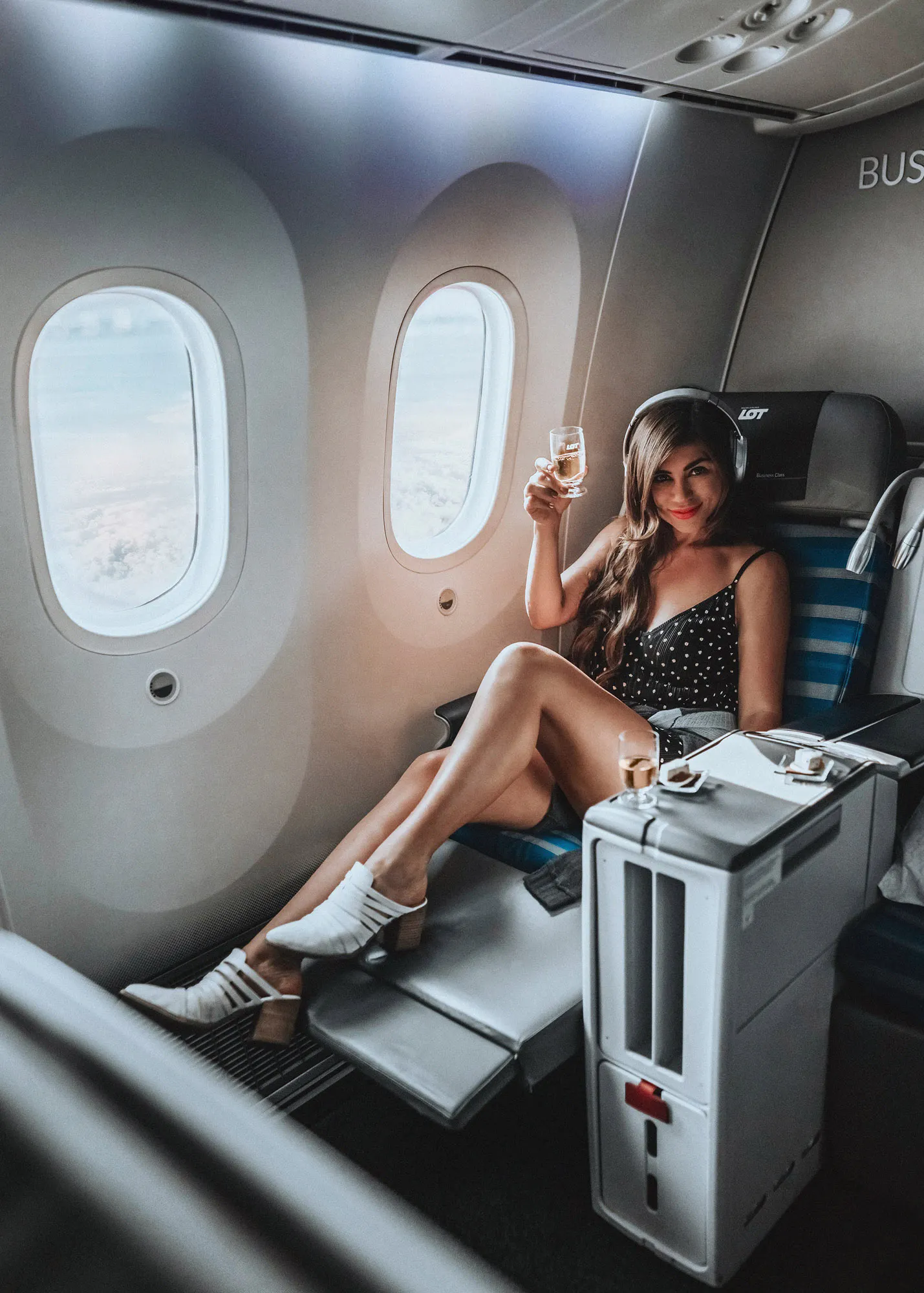
How to Stay Entertained on Ultra-Long Flights in 2026, Tips From Frequent Flyers
The click of the seat belt sign and the steady hum of the engines mark the beginning of a grueling journey. While most passengers view a fourteen-hour flight with anxiety, seasoned frequent flyers see it as a strategic opportunity.
The Strategic Approach to In-Flight Productivity
Experienced travelers treat the aircraft cabin as a high-efficiency office. They prioritize the first hour of the flight, utilizing a window where the mind is sharp and Wi-Fi congestion is typically lower.

This productivity relies on meticulous preparation. Regulars download offline playlists, synced cloud files, and saved articles before boarding to ensure no reliance on mid-air connectivity.
The Science of Sleep and Physical Wellness
Landing functionality is the primary goal for veteran flyers. Rather than sleeping when tired, they shift their sleep windows to align with the destination’s night cycle before the flight even begins.
To support this, they employ specific tools including eye masks, effective neck pillows, and melatonin calibrated to the destination time zone. This approach is supported by Sleep Foundation research suggesting these methods can reduce jet lag symptoms.
Physical movement is treated as a necessity rather than a luxury. To mitigate health risks, regulars perform aisle walks every two hours, calf raises, and shoulder rolls, often utilizing the galley area for stretching.
Gear and Entertainment Frameworks
Equipment choices are deliberate and non-negotiable. Noise-canceling headphones are essential, as they can reduce ambient cabin noise by up to 30 decibels, creating a mobile sanctuary.
Reading remains a dominant activity, with a 2022 Statista survey finding that 44% of frequent business travelers prioritize reading on flights exceeding 10 hours. This represents achieved through e-readers or smartphone apps like FictionMe.
Entertainment is approached with purpose rather than aimless scrolling. Travelers often maintain a curated list of foreign films, documentaries, or language-learning sessions via apps like Duolingo to make the time productive.
Maximizing Elite Status and Social Capital
Elite status fundamentally alters the travel experience. Lounge access provides essential pre-flight preparation, including showers and meals, which streamlines the boarding process.
Upgrade strategies are equally vital. A 2023 survey by The Points Guy revealed that 61% of frequent flyers felt that upgrading on ultra-long hauls meaningfully changed their approach to future travel.
Beyond status, regulars build goodwill with flight crews through polite and consistent behavior. This social capital can lead to better service and occasional upgrades on full flights.
Nutrition and the Mental Game
Veteran travelers often view heavy in-flight meals with suspicion, as they can slow digestion and increase fatigue. Many opt for lighter meals or rely on personal snacks and strict hydration.
Hydration is critical because cabin humidity typically hovers between 10% and 20%. A baseline of one bottle of water every two hours is common among experienced flyers.
The mental challenge peaks around the ninth hour. Successful travelers plan for this “wall” by building in “do-nothing” time, allowing the mind to drift or meditate to ensure they arrive in decent mental shape.
The Transition to Arrival
The final hour of the flight is used for a deliberate mental transition. By freshening up and reviewing arrival plans, travelers shift their mindset into the destination before they ever touch the ground.

Based on these patterns, it is likely that future long-haul strategies may lean further into personalized wellness and biological alignment. Travelers could increasingly prioritize destination-synced routines to eliminate the recovery period upon landing.
Frequently Asked Questions
How do frequent flyers manage jet lag?
They shift their sleep windows to match the destination’s night cycle, often starting this process before boarding and using tools like melatonin calibrated to the destination time zone.
What are the health risks of sitting for long periods on a flight?
According to the WHO, long-haul passengers have a two-to-four times higher chance of developing blood clots, making regular movement like aisle walks and calf raises essential.
Why is hydration particularly important during long flights?
Cabin humidity is very low, typically between 10% and 20%, which is significantly drier than standard office environments.
How do you personally balance productivity and rest during a long-distance flight?