
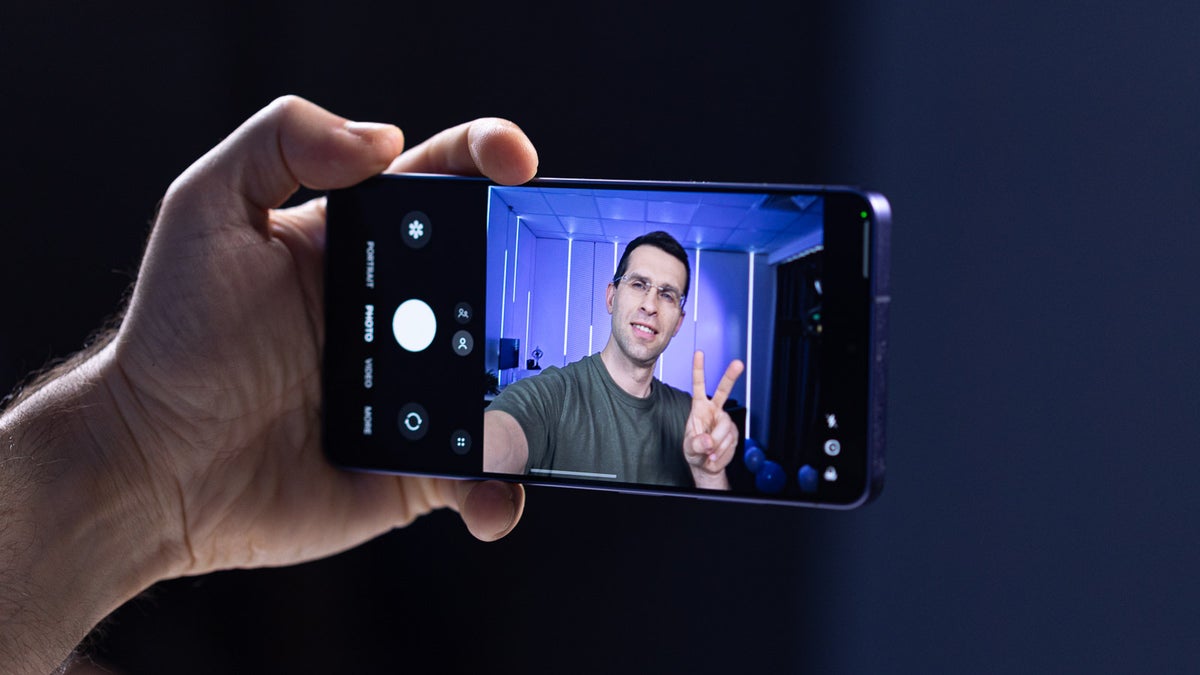
How to take awesome selfies with the Galaxy S26 Ultra
Beyond the Megapixels: How AI is Redefining the Selfie
For years, the smartphone industry played a numbers game, obsessed with cramming more megapixels into front-facing cameras. But as the Galaxy S26 Ultra demonstrates, the future of mobile photography isn’t about raw sensor resolution—it’s about the intelligence powering the lens.
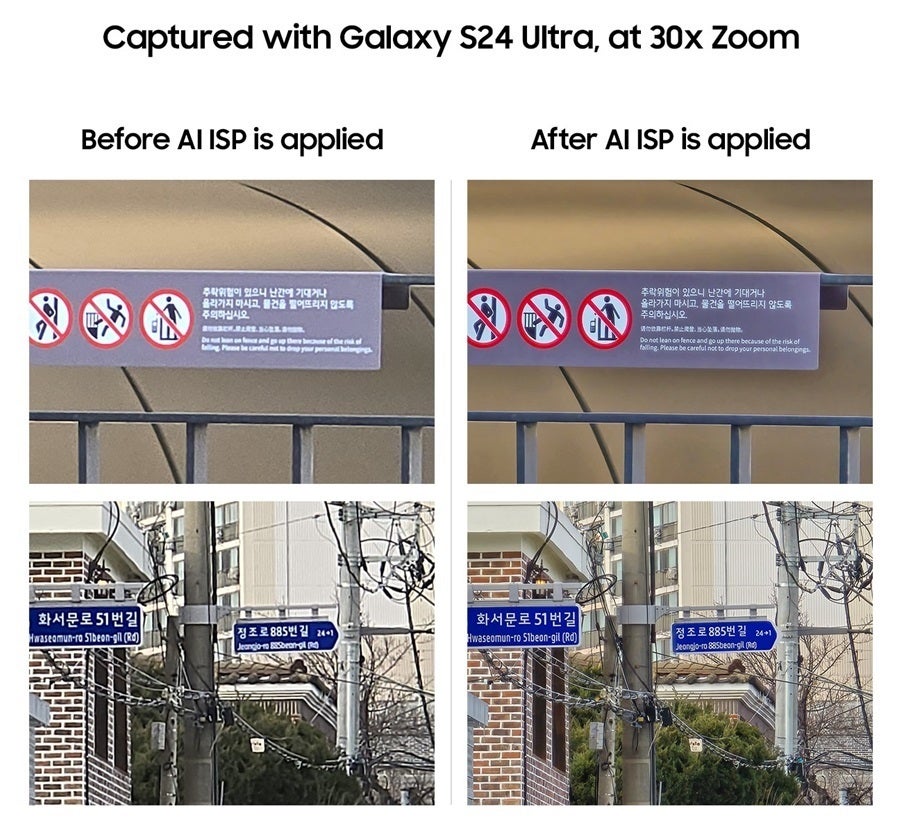
We are entering an era where the Image Signal Processor (ISP) is just as important as the glass itself. By moving AI processing from post-capture software to real-time, hardware-level execution, manufacturers are finally bridging the gap between “digital snapshot” and “professional portrait.”
The Shift Toward Real-Time AI Processing
The most significant leap in recent hardware is the integration of object-aware AI directly into the ISP. Previously, your phone would capture an image and then apply filters to skin, hair, and eyes after the fact. Today, the camera treats these elements as distinct, layered textures with specific “rules” for lighting and sharpening as the shutter clicks.
Wider Lenses and the “Group Selfie” Evolution
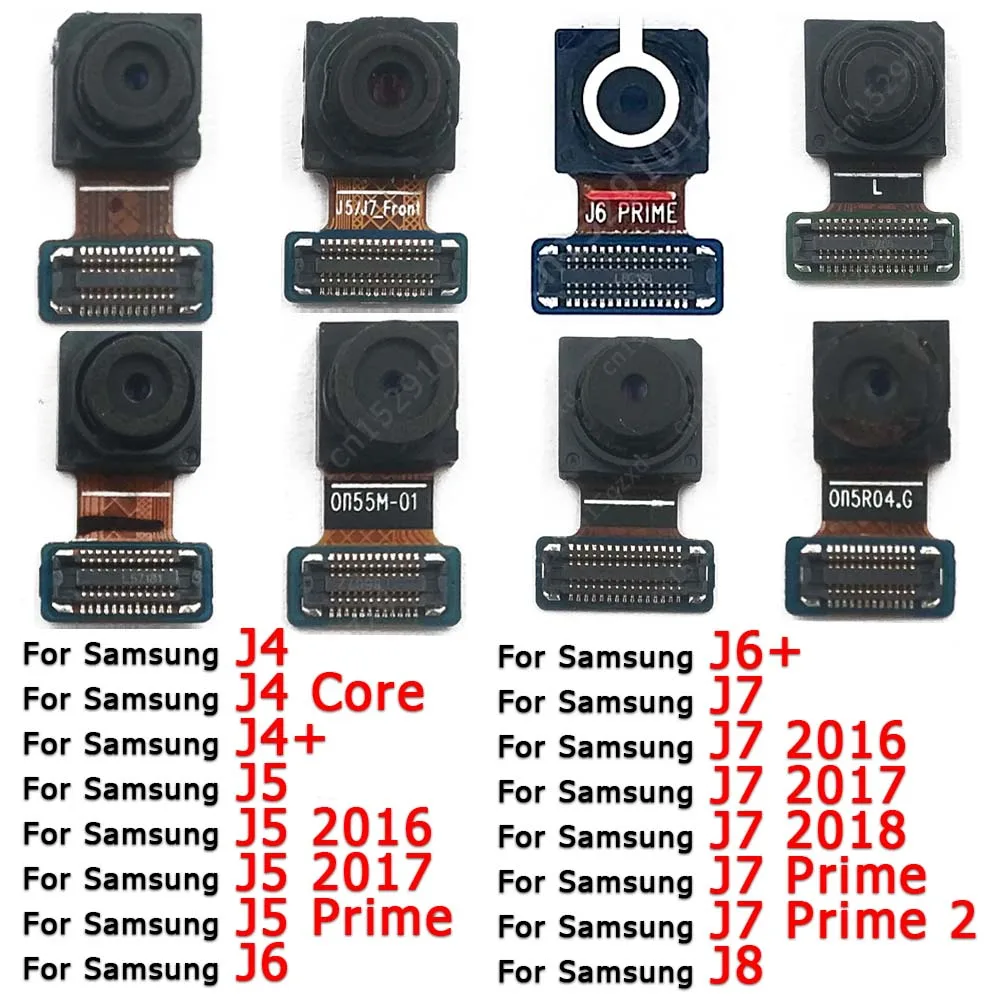
Hardware isn’t dead yet. The transition from 25mm to 23mm lenses represents a calculated move to accommodate modern social habits. A wider field of view makes group shots easier, but it also forces software engineers to work harder to prevent edge distortion—the “stretched face” effect common in older wide-angle cameras. Expect future flagship smartphones to continue refining these focal lengths to strike the perfect balance between environment and subject.
Generative Editing: The New Standard for Mobile Galleries
Photography is no longer just about the capture; it’s about the edit. With the rise of natural language prompting, the barrier to entry for complex photo manipulation has vanished. Whether you are removing a photobomber or changing the lighting of a scene from morning to night, the AI’s ability to map shadows and reflections based on the original environment is a game-changer for casual content creators.
Frequently Asked Questions
- Why do my selfies look blurry?
Often, This represents due to aggressive “beauty” or “softening” settings. Check your camera’s post-processing settings to ensure skin smoothing is dialed down. - Is RAW photography better for selfies?
Yes, if you plan to edit your photos. RAW files retain significantly more data, allowing for professional-grade color grading without the loss of quality associated with JPEGs. - How can I take better selfies without a tripod?
Use voice commands or “palm-to-capture” gestures to trigger the shutter. This keeps your hands steady and prevents the camera shake that often ruins selfies taken by reaching for a button.
Future Trends: What’s Next?
As we look ahead, expect to see even deeper integration of Galaxy AI and similar suites across all price tiers. The trend is clearly moving toward “intent-based photography,” where the phone understands what you are trying to achieve—a portrait, a landscape, or a group shot—and adjusts the hardware and software parameters before you even tap the screen.
What is your biggest struggle when taking selfies? Are you a fan of AI-enhanced edits, or do you prefer the “natural” look? Let us know in the comments below or join our community newsletter for more photography tips and tech deep-dives.