
How to Transfer Mobile Legends Account from Android to iOS (2026 Guide)
For years, the divide between Android and iOS was more than just a choice of hardware; it was a digital wall. Gamers often found themselves trapped in a “platform prison,” where switching from a Samsung to an iPhone meant abandoning hundreds of hours of progress, rare skins and hard-earned rankings. However, the recent shift toward seamless account migration in titles like Mobile Legends signals a larger evolution in how we interact with digital entertainment.
We are entering the era of platform agnosticism. In this new landscape, your identity as a gamer is no longer tied to the device in your pocket, but to a universal cloud profile that follows you across any screen you choose.
The Death of “Platform Walls” and the Rise of Universal IDs
The struggle to move accounts between operating systems used to be a common grievance. Early in the mobile gaming boom, developers often maintained separate servers for different OS versions to simplify optimization. This created a fragmented experience where an Android player and an iOS player might be playing the same game but lived in different digital universes.
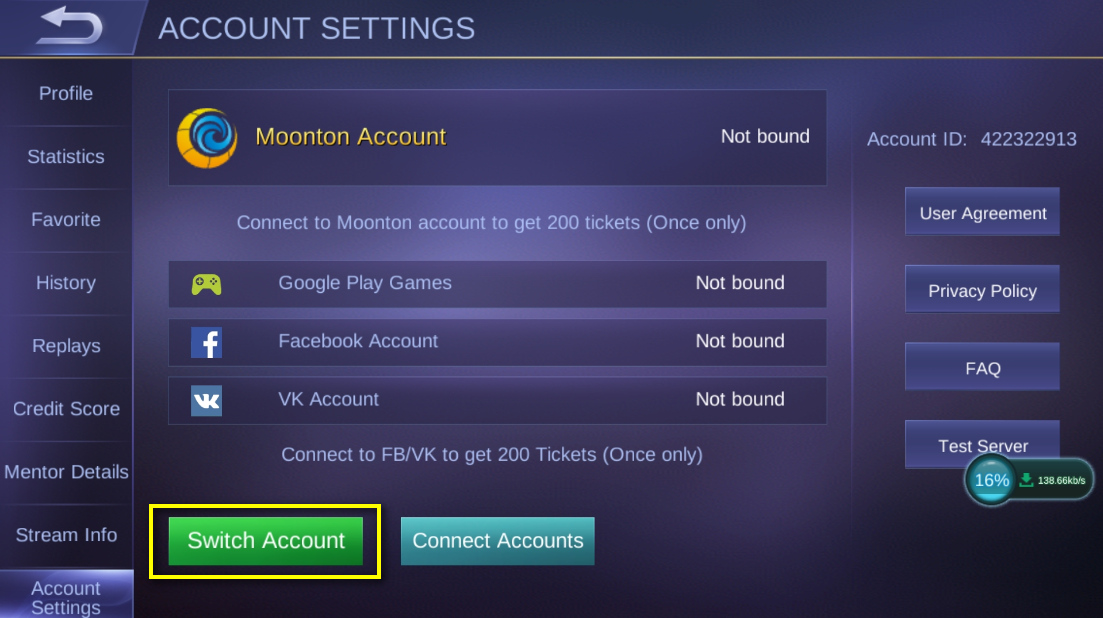
Today, the industry is moving toward Universal Account Systems. By leveraging third-party authentication (like Google, Facebook, or proprietary IDs like the Moonton Account), developers have decoupled game data from the hardware. This allows for a “plug-and-play” experience.
This shift is not just about convenience; it’s a business strategy. When players know their progress is safe, they are more likely to upgrade their hardware, increasing the overall “lifetime value” of the user for the developer. You can read more about how digital economies are evolving to support this flexibility.
Why Hardware Optimization Still Drives Migration
If account migration is now easy, why do players still feel the need to switch platforms? The answer lies in the synergy between hardware, and software. For a long time, iOS has held the upper hand in optimization. Because Apple controls both the silicon (A-series chips) and the software (iOS), games can be tuned to run with surgical precision.
In high-stakes competitive gaming, a frame drop of a few milliseconds can be the difference between a victory and a defeat. This “performance gap” is what historically drove the mass migration of pro players to iPads and iPhones.
The Counter-Attack: Gaming-Centric Androids
However, the tide is shifting. We are seeing the rise of “Gaming Phones”—devices from brands like ASUS ROG and RedMagic—that incorporate active cooling fans and shoulder triggers. These devices are challenging the iOS hegemony by offering raw power and thermal management that standard iPhones simply cannot match.
The Next Frontier: Cloud Gaming and the End of Downloads
While account migration is a great step, the ultimate future of gaming is the total removal of the “installation” process. Cloud gaming services—such as Xbox Cloud Gaming and NVIDIA GeForce Now—are paving the way for a world where the device is merely a window to a powerful remote server.
In this future, the question of “Android vs. IOS” becomes irrelevant. Whether you are on a tablet, a smart TV, or a budget smartphone, the game runs on a server-side GPU. Your account, your settings, and your progress are stored in the cloud, making the transition between devices instantaneous.
We are moving toward a “Single Save” ecosystem. Imagine starting a match on your phone during a commute, continuing it on your PC at home, and finishing it on a handheld console—all without a single loading screen or “syncing” notification.
FAQ: Navigating the Future of Cross-Platform Gaming
Q: Is it safe to link my game account to social media for migration?
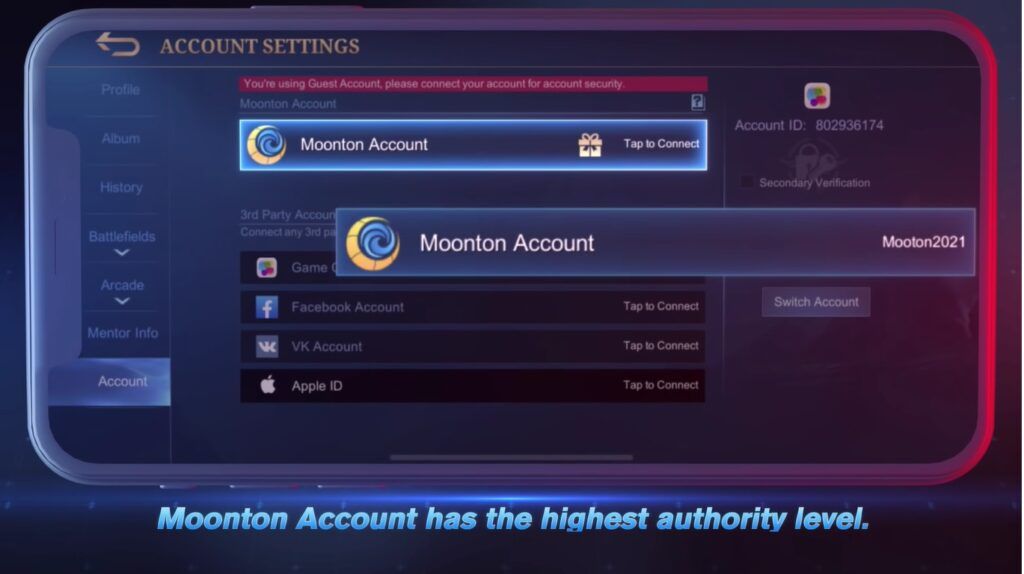
A: Generally, yes. Using official API links (like “Login with Facebook”) is secure. However, the safest method is always a dedicated developer account (e.g., a Moonton Account) combined with a strong, unique password.
Q: Why do some games still not support cross-platform migration?
A: Some older games have “hard-coded” server splits, meaning the database for Android is physically separate from iOS. Updating this requires a massive backend overhaul, which some developers find too costly.
Q: Will cloud gaming replace mobile apps entirely?
A: Not entirely. For competitive games where “latency” (ping) is critical, local installations will always be superior. Cloud gaming will likely dominate casual and AAA narrative experiences first.
What’s Your Gear of Choice?
Are you a devotee of the iOS ecosystem for its stability, or do you prefer the raw power and freedom of Android? Let us know in the comments below! If you found this analysis helpful, subscribe to our newsletter for more deep dives into the future of tech and gaming.