

How Truck Drivers’ Logbooks and Electronic Logging Devices May Strengthen Your Nevada Truck Accident Claim
In Nevada, truck accidents often lead to severe injuries and property damage, making the investigation of driver logs and electronic logging devices (ELDs) critical in determining liability. Federal regulations mandate that commercial truck drivers track their hours to prevent fatigue-related crashes, and violations of these rules can serve as evidence of negligence. When a collision occurs, legal teams prioritize securing records to build a case, as these documents can reveal whether a driver exceeded allowed hours or falsified their schedule.
Why Driver Logbooks Matter
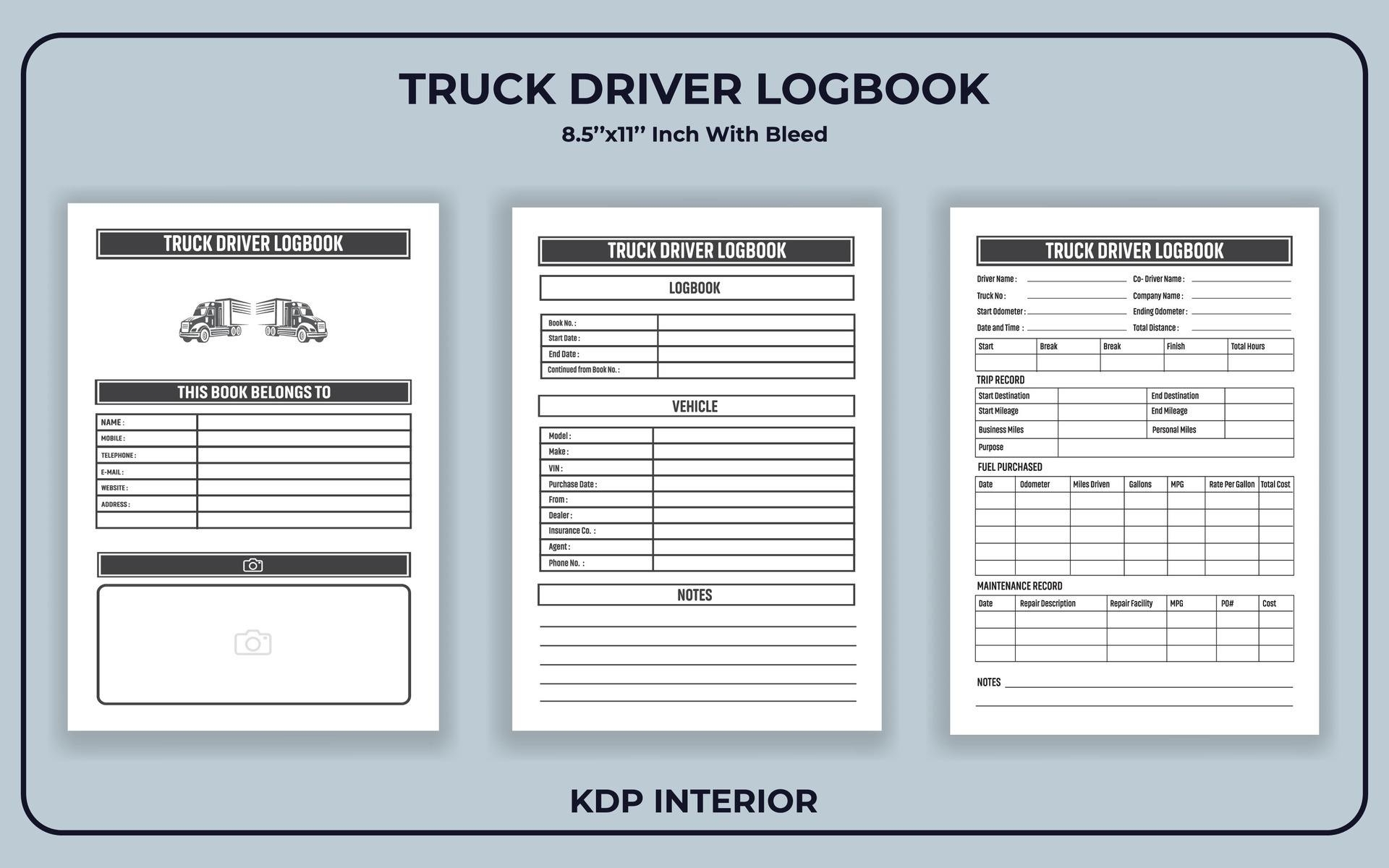
Truck driver logbooks document work schedules, including driving periods, breaks, and rest times. These records are vital because fatigue is a leading cause of commercial truck accidents. Prolonged driving impairs reaction times and judgment, increasing the risk of collisions. Federal Motor Carrier Safety Administration (FMCSA) regulations limit drivers to 11 hours of driving after 10 consecutive hours off-duty and 14 hours on-duty before mandatory rest. Violations of these rules may indicate negligence or fatigue, directly impacting personal injury claims.
Electronic Logging Devices and Their Role
Most commercial trucks now use ELDs, which automatically record driving activity, GPS location, and driver status. While more accurate than paper logs, ELDs are not infallible—drivers may misrepresent their duty status. Legal teams act swiftly to preserve these records, often sending evidence preservation letters to trucking companies to prevent data loss. During litigation, attorneys cross-check logbook entries with fuel receipts, toll records, and GPS data to verify accuracy.
Implications for Legal Claims
Proof of hours-of-service violations can strengthen injury claims by demonstrating driver negligence or employer responsibility. If a driver’s fatigue or schedule forced them to break regulations, victims may seek compensation for medical bills, lost wages, and pain and suffering. However, evidence must directly relate to the accident to be admissible. Trucking companies typically carry large insurance policies, but victims must provide substantial proof to secure fair settlements.
Did You Know? Electronic logging devices track GPS location and driver login status, providing a detailed digital record of a truck’s activity.
Expert Insight: The reliance on logbooks and ELDs underscores the legal system’s focus on accountability in commercial trucking. While these tools aim to enhance safety, their potential for manipulation highlights the need for rigorous verification during investigations.
What May Happen Next
Victims of Nevada truck accidents are likely to face a complex legal process involving evidence collection and verification. Attorneys may request court-ordered discovery to access records, while insurance companies could challenge the validity of logbook data. If violations are confirmed, victims may pursue compensation, though outcomes depend on the strength of the evidence and the trucking company’s compliance with regulations.
Frequently Asked Questions What are the key hours-of-service regulations for truck drivers? Truck drivers may drive a maximum of 11 hours after 10 consecutive hours off-duty, 14 hours on-duty with mandatory rest, and must take a 30-minute break after 8 cumulative hours of driving. What do electronic logging devices record? ELDs track vehicle movement, driving time, GPS location, driver login status, and trip details automatically. How do attorneys gather evidence after a truck accident? Lawyers send evidence preservation letters to trucking companies and cross-check logbooks with fuel receipts, toll records, and GPS data to verify accuracy. What steps should victims take immediately after a truck accident to protect their legal rights?