

How Turkey Hacked the Hair Transplant Industry
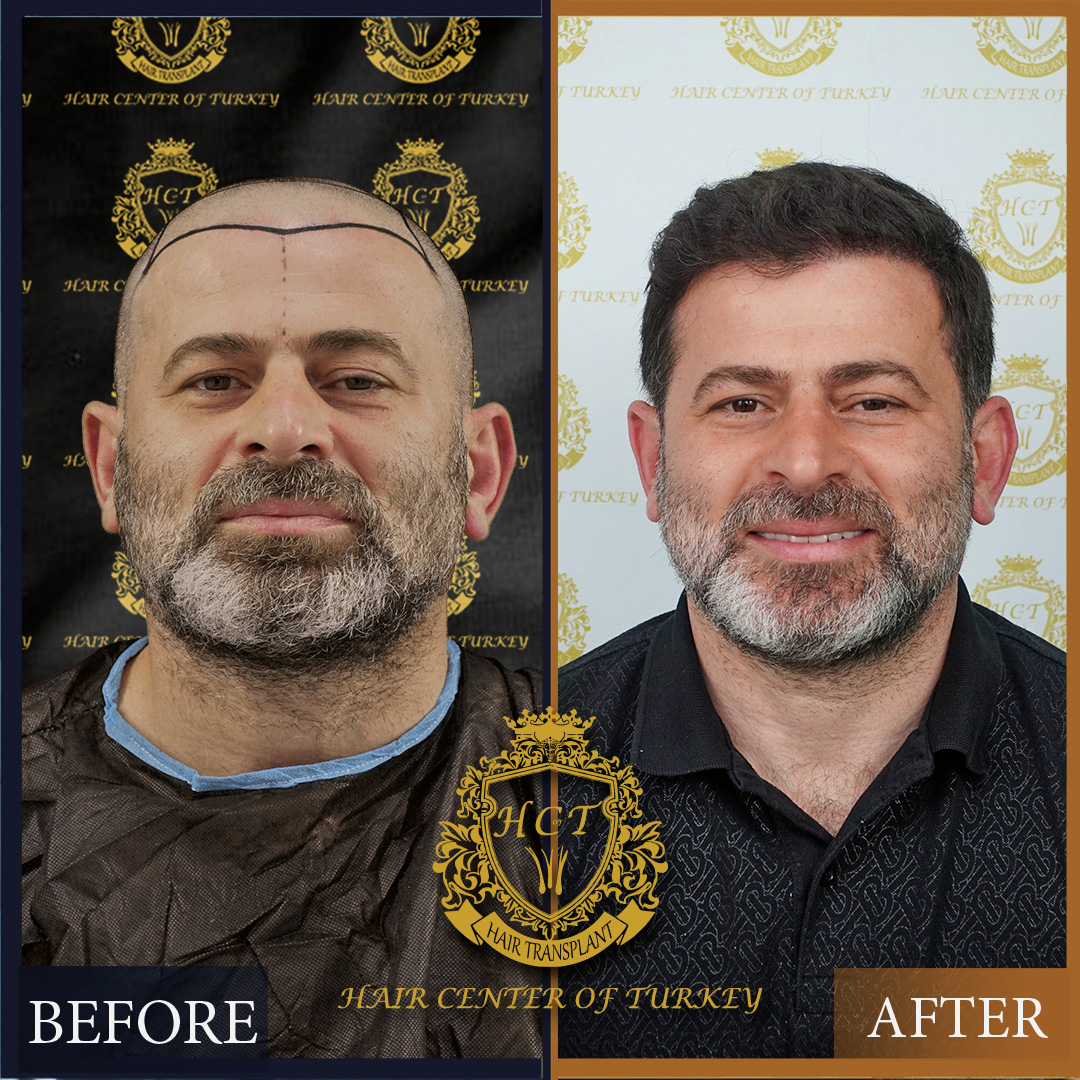
The global perception of human health and vitality has long been tethered to visual markers, with hair density serving as a primary indicator of youth and confidence. This evolutionary preference has fueled a massive, multibillion-dollar industry, with the global hair-transplant market estimated to be worth between $7.33 billion and $11.61 billion as of 2024. Nowhere is this transformation more visible than in Turkey, which has evolved into a global epicenter for hair restoration.
The rise of this sector is not merely a byproduct of competitive pricing or exchange rates. Instead, it reflects a complex integration of medical innovation and traditional craftsmanship. Surgeons have adapted tools from disparate fields—utilizing motors originally designed for dental devices and sapphire blades engineered for eye surgery—to refine the delicate process of hair transplantation.
The Evolution of Medical Tourism
Turkey’s medical landscape has seen substantial growth, with 1.39 million people visiting the country for medical treatments in 2025, generating $3 billion in revenue. While specific data for hair transplants remains part of a broader aesthetic category, We see estimated that one-third of these medical tourists arrive specifically for aesthetic procedures. The impact is so profound that the nation’s infrastructure—from Turkish Airlines to Istanbul Airport—is often colloquially linked to the industry by travelers and pop culture observers alike.

The technical success of these procedures relies on a philosophy of tissue preservation. Dr. Burak Tuncer, medical director of the Esteworld Health Group, emphasizes that hair follicles are irreplaceable tissues. “If roots are damaged during the hair-transplant process—whether while being extracted or implanted—we permanently lose that unique tissue,” he notes. This approach mandates a level of care similar to that applied in major organ surgery.
Future Outlook
As the industry continues to integrate into popular culture—evidenced by viral social media trends and high-profile advertising campaigns—the demand for these services is likely to remain steady. Future growth may depend on how clinics balance the rapid influx of international patients with the need to maintain rigorous, high-standard microsurgical techniques. If the current trajectory holds, the integration of specialized, cross-industry technology and traditional craftsmanship could continue to define the standard for global aesthetic tourism.
Frequently Asked Questions
What is the estimated value of the global hair-transplant market?
According to 2024 estimates, the global market is valued between $7.33 billion and $11.61 billion, excluding the underground economy.
Why is hair transplantation considered a complex medical procedure?
Medical professionals view hair as a unique tissue that cannot be cloned or replaced. If the roots are damaged during extraction or implantation, the tissue is permanently lost, requiring the same level of care as vital organ procedures.
How did Turkey develop its reputation as a hub for aesthetic surgery?
The industry evolved through a combination of institutional infrastructure development, which began in the late 1990s, and the adaptation of specialized equipment from other medical fields, such as dental and eye surgery, alongside a deep-rooted master-apprentice approach to microsurgery.
To what extent do you believe modern aesthetic procedures reflect a shift in how society defines personal identity?