

How Uyghur Mercenaries Shaped the Outcome of Syria’s Civil War
The Shadow Warriors: How Transnational Militancy is Reshaping Global Conflict
The Syrian Civil War was never just a local power struggle. It became a crucible for foreign fighters, a place where disparate causes converged under the banner of insurgency. Among the most enigmatic and impactful of these groups were the Uyghur militants—fighters driven by a singular, burning desire to avenge their families back in China.
Their involvement transformed the Syrian battlefield, turning remote mountain outposts into training grounds for a new generation of transnational insurgents. But as the dust settles in Damascus, the world is left to grapple with the aftermath: where do these battle-hardened veterans go next, and what does their legacy mean for global security?
The Evolution of Asymmetric Warfare
The Uyghur presence in Syria highlights a growing trend: the internationalization of civil conflicts. By aligning with established rebel factions, these fighters gained access to advanced weaponry, tactical training, and, crucially, a global network of ideological backers.
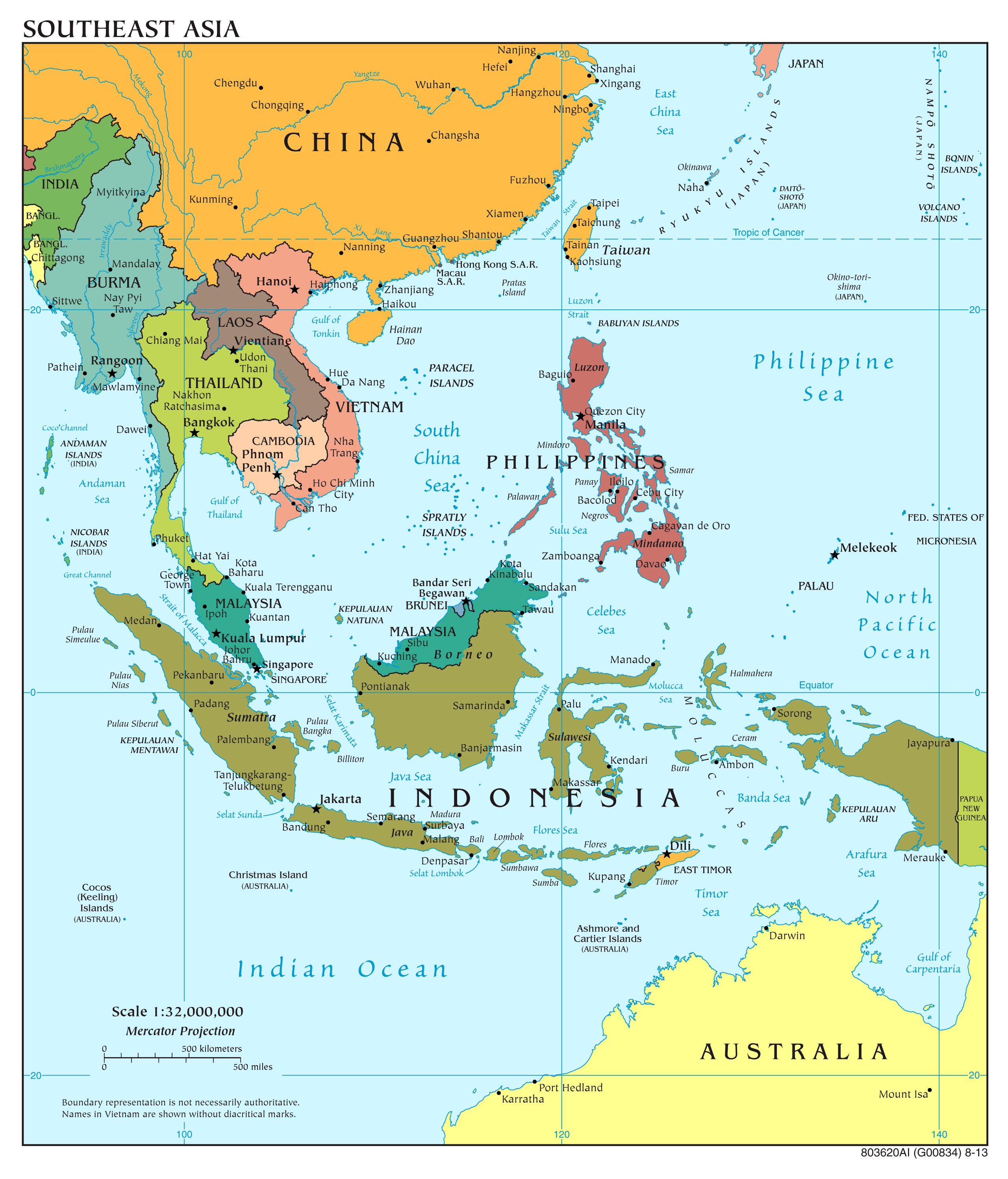
This isn’t merely about ideology; it’s about tactical utility. These fighters provided the “boots on the ground” that rebel commanders desperately needed to hold territory against superior conventional forces. Their success—and the subsequent shift in the Syrian power dynamic—serves as a case study for future insurgencies worldwide.
The “Blowback” Phenomenon
As history has shown, from the Soviet-Afghan war to the rise of ISIS, the “blowback” from foreign fighter mobilization is inevitable. When these individuals are no longer needed in a primary conflict zone, they rarely return to civilian life. Instead, they often migrate to new “hot zones,” such as the Sahel in Africa or fragmented regions in Southeast Asia, bringing their expertise in urban warfare and improvised explosive devices (IEDs) with them.
Strategic Implications for Global Powers
For global powers, the challenge is no longer just about defeating a localized insurgency. It is about intelligence gathering and border security in an era of fluid, transnational movement. The Syrian experience proved that state actors can no longer ignore distant conflicts, as the expertise honed in those trenches eventually finds its way back to their own borders.

Policy experts are increasingly looking at geopolitical risk assessment as a primary tool for preempting these trends. By identifying regions where local grievances can be exploited by foreign interests, nations can act before a conflict becomes a globalized threat.
Frequently Asked Questions (FAQ)
A: Many were motivated by a desire to gain combat experience and build international alliances to further their own objectives regarding their situation in China.
A: Foreign fighters often provide specialized skills and resources that tilt the balance of power, forcing incumbent regimes to adapt their military strategies, often at a high humanitarian cost.
A: While many have dispersed, remnants of these groups remain in pockets of northern Syria and surrounding regions, maintaining low-level insurgent operations.
What are your thoughts on the future of transnational militancy? Are current international policies sufficient to manage the movement of veteran fighters? Join the conversation below and share your insights.