

How walking poles can benefit those of us with Parkinson’s disease
A community-led pole walking group for individuals with Parkinson’s has been established through a partnership between a Canadian resident and a local Parkinson Society. The program utilizes walking poles and professional coaching to improve mobility and mental well-being, with participants working toward a 5 km (3.1 miles) goal for a September fundraiser.
The initiative began after a resident encountered a social media post detailing a similar Parkinson’s walking group in the United States. To create a local version, the organizer proposed a structured program to a local Parkinson Society, which subsequently provided funding, secured walking poles, and managed promotion.
Why is pole walking used for Parkinson’s?
According to the Parkinson’s Foundation, the use of poles can promote larger and more symmetrical movements. This practice is intended to improve balance, correct posture, and increase stride length.
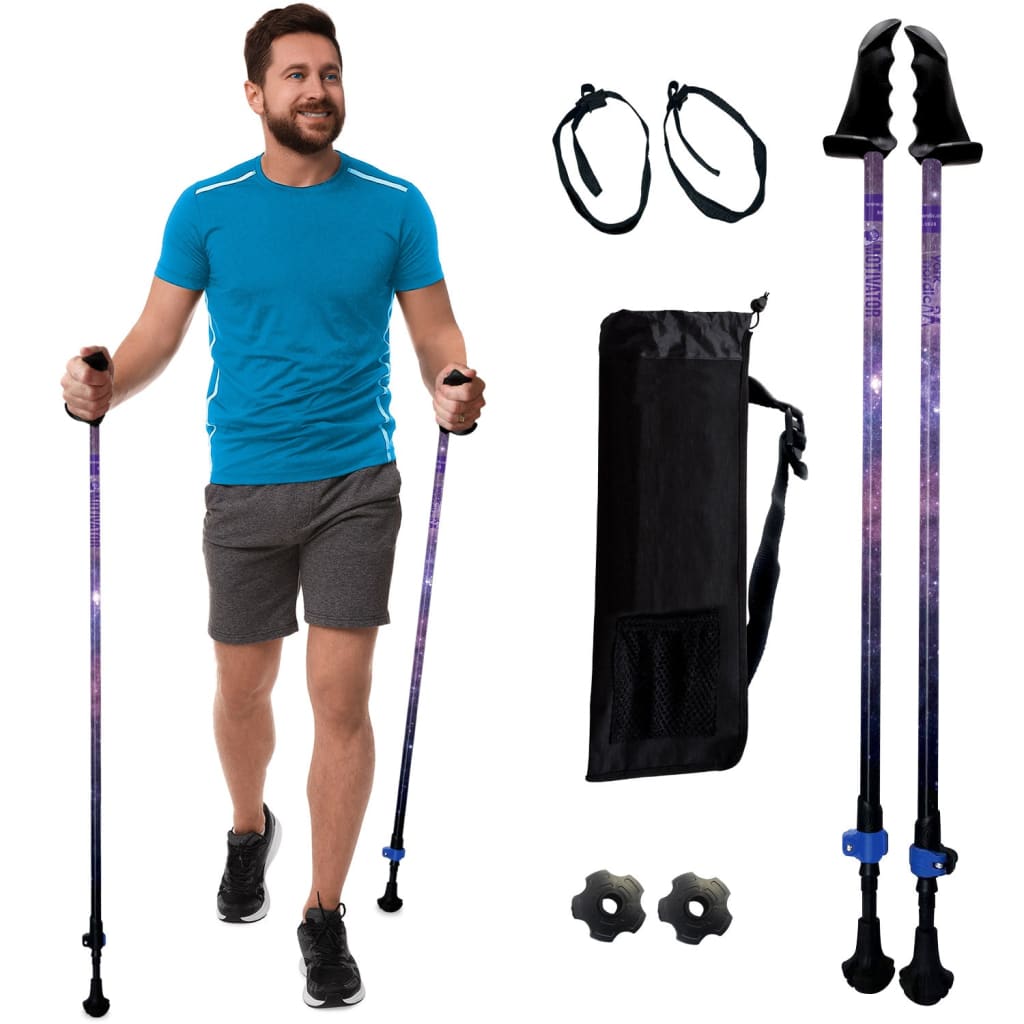
These physical adjustments may help reduce the shuffling gait typically associated with the condition. Beyond physical movement, the program aims to provide psychological advantages, including improved mood, increased confidence, and social connection.
How is the walking group structured?
The program is currently led by a boxing coach who serves as the group’s walking coach. The local Parkinson Society manages the associated costs and administrative oversight.
Participants meet once a week on Thursday mornings. This consistent schedule is designed to maintain commitment and keep members aware of participation opportunities.
What happens next for the participants?
The group is likely to continue its weekly Thursday sessions through the summer. Participants may focus on building resilience and skill each week to prepare for their target distance.

The program’s current trajectory leads toward a “Walk for Parkinson’s” fundraiser scheduled for September. The ultimate objective for the group is to successfully walk 5 km (3.1 miles).
Frequently Asked Questions
What physical benefits does pole walking offer those with Parkinson’s?
According to the Parkinson’s Foundation, it can improve balance, correct posture, increase stride length, and promote larger, more symmetrical movements to reduce shuffling gait.
Who supports the local walking group?
The group is supported by a local Parkinson Society, which covers costs and provides poles, and is coached by one of the society’s boxing coaches.
When does the group meet and what is their goal?
The group meets Thursday mornings until September, with the goal of walking 5 km (3.1 miles) for a fundraiser.
How do you think community-led exercise groups impact the management of chronic health conditions?