
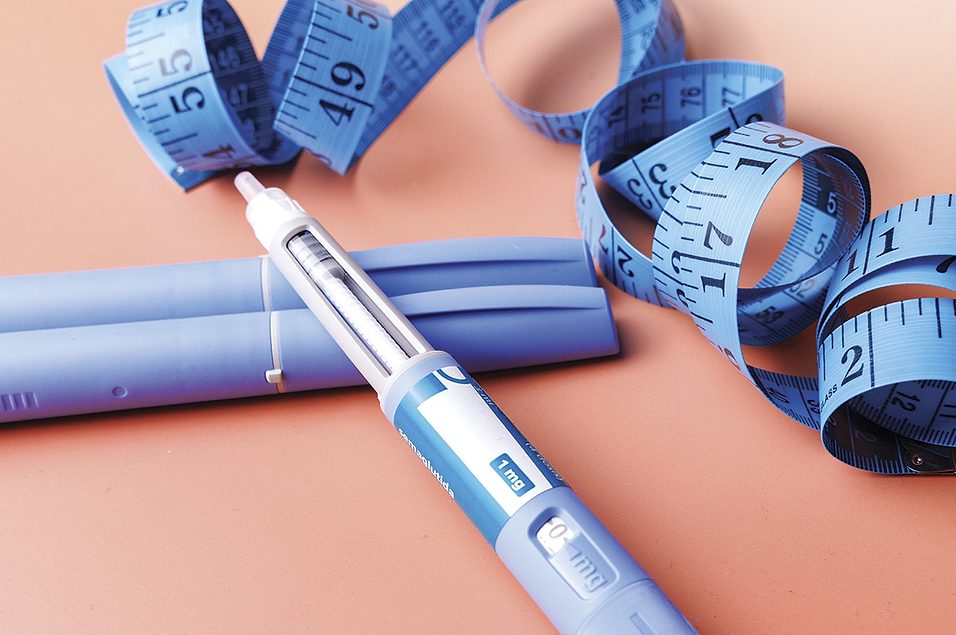
How weight loss drugs could reshape food demand
The landscape of American food consumption is undergoing a quiet but significant transformation. The increasing use of GLP-1 drugs, originally designed for Type 2 diabetes, is now driving a widespread shift in weight management and eating habits.
Current estimates suggest that nearly 12% of the adult population in the U.S. Is using these medications. Among women aged 18 to 65, the usage rate is 15%, while it stands at 9% for adult men.
The Biological Shift in Demand
GLP-1 drugs work by curtailing the appetite and slowing the human body’s digestive process. This biological change typically results in a documented weight loss of 20% of total body weight for most users.
For an average adult male weighing 210 pounds, this equates to a loss of 40 pounds, reaching a target weight of 170 pounds. Women have generally experienced weight decreases exceeding the 20% mark.
Economic Ripples from Plate to Farm
The reduction in caloric intake has direct implications for food producers. To lose 40 pounds, an average adult male may reduce his daily intake by 750 calories for 20 weeks, which is equivalent to skipping one full meal per day.

If breakfast is the skipped meal, U.S. Egg producers could face an immediate 12% decrease in demand. This could potentially drop by another 14% if those interested in the drugs begin using them.
Retailers are already reporting a shift in spending. Grocery expenditures are reported to decrease by 5% to 6% in 2025, with consumers moving away from calorie-dense items like sweets and potato chips toward proteins and produce.
Corporate and Agricultural Adaptation
Major corporate entities are already grappling with these changing habits. A large Burger King franchisee recently declared Chapter 11 bankruptcy, leading corporate Burger King to purchase the stores and rebrand with smaller-portioned value meals.
McDonald’s franchisees have seen similar bankruptcy filings. In response, these corporate giants are developing strategies for healthier options and smaller portions to address new consumer preferences.
Farmers and ranchers may be required to modify their output to meet this demand. Current trends show a preference for branded beef over corn or potatoes for chips, and a shift in the dairy sector from ice cream and whipping cream toward traditional and Greek yogurt.
The Future of GLP-1 Integration
This trend is likely to persist rather than fade as a fad. Weight loss is real, and the side effects of the medications are considered minimal.

Insurance companies may increase funding for GLP-1 usage beyond Type 2 diabetes because weight loss can significantly reduce the incidence of cardiovascular issues. A prescription may be more cost-effective than invasive cardio-thoracic surgeries.
the influence of visual social media platforms like Instagram, TikTok, and Facebook (Meta) may continue to drive the quest for weight loss, reinforcing the demand for quality, smaller-portioned foods.
Frequently Asked Questions
What are GLP-1 drugs and what was their original purpose?
GLP-1 drugs were initially used to treat Type 2 diabetes, but they have been found highly effective in assisting with weight management.
How do these drugs affect the body’s eating habits?
They curtail the appetite and slow the digestive process, often leading to a weight loss of approximately 20% of the user’s body weight.
Which food products are seeing a decrease in demand?
There is a reported shift away from calorie-dense items such as potato chips, sweets, ice cream, and whipping cream.
How do you think these changing dietary habits will impact your local food options?