

How YouTube Golfers Are Going For Serious Green
The PGA Tour’s upcoming partnership with the Good Good Championship in Austin, Texas, signals a major shift in professional golf, marking the formal integration of YouTube content creators into the sport’s traditional ecosystem. According to Forbes, this transition reflects a broader trend where digital-first creator brands are securing multi-million dollar sponsorships and influencing a younger, more casual demographic, while traditional golf organizations adapt to retain relevance in a changing media landscape.
How YouTube Golf is Changing the Business of the Sport
YouTube golf has evolved from casual hobbyist videos into a multi-million dollar industry. Since 2020, recreational golf participation in the U.S. has climbed 41%, according to the National Golf Foundation, creating a surge in demand for digital content. Channels like Good Good Golf have capitalized on this, building “content-to-commerce” businesses that prioritize apparel and product sales alongside entertainment. Forbes estimates that Good Good generated over $40 million in revenue last year, with 75% of those earnings stemming from their branded products.
Why Traditional Golf Brands Are Integrating Creators
The golf establishment is shifting its strategy to avoid being sidelined by the “creator economy.” While established equipment giants like Callaway and TaylorMade remain industry titans—with Callaway reporting $685 million in net sales from apparel and gear in 2025—they are now competing with agile, creator-led brands. According to PGA Tour Vice President for Demand Marketing Alex Dorsch, the organization is actively “harnessing” the influence of creators to reach younger fans who do not consume traditional linear television broadcasts.
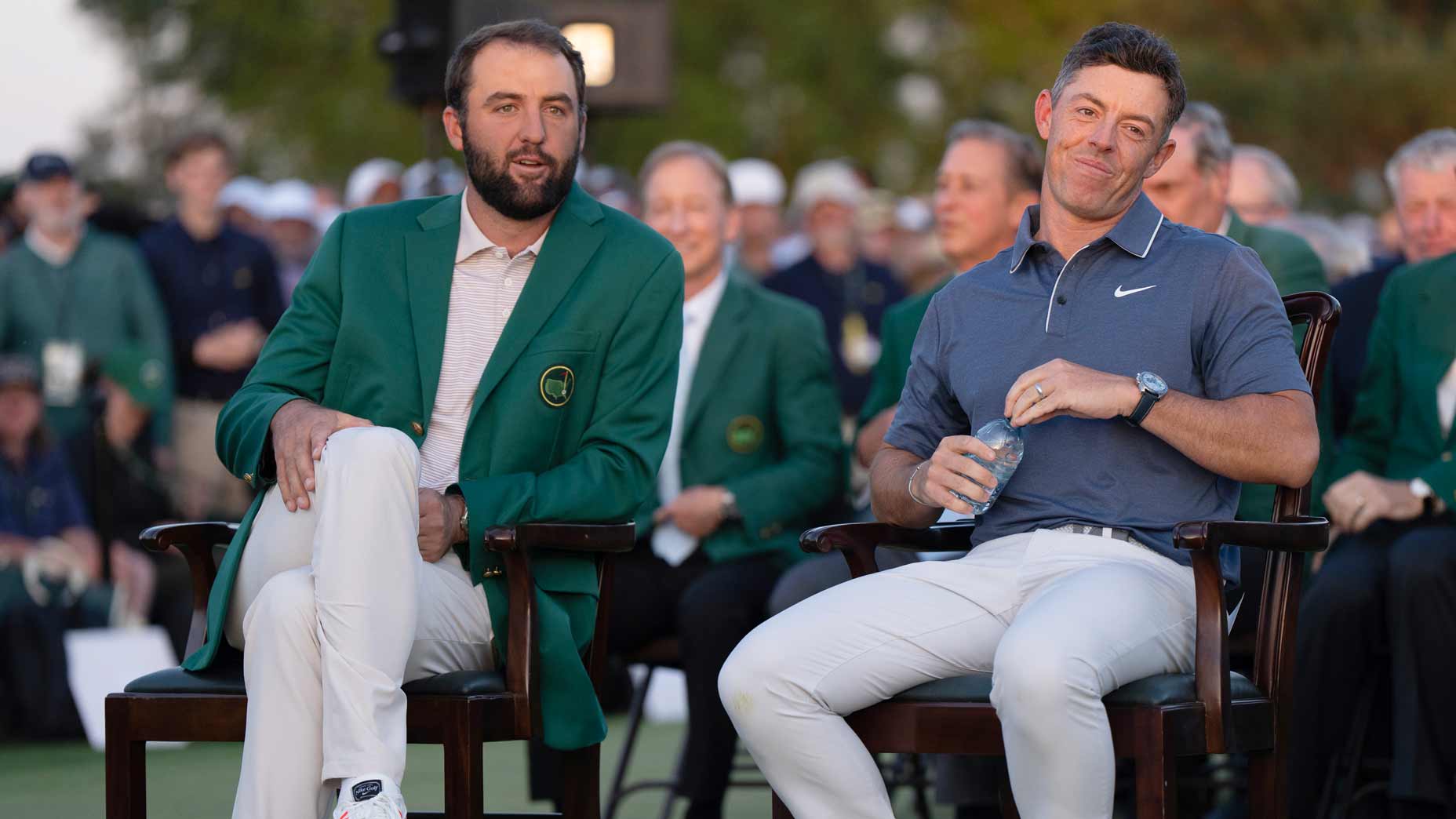
This integration is not entirely one-sided. Professional players are also adopting creator-style content to maintain their own reach. Two-time major champion Bryson DeChambeau has produced over 100 YouTube videos in the last three years, often featuring high-profile celebrities, while stars like Scottie Scheffler and Rory McIlroy frequently participate in sponsored creator-style media, according to industry reporting.
The Rise of Independent Creator Tours
Creators are increasingly building their own competitive infrastructure, moving beyond simple exhibition matches. In 2025, the collaboration between Barstool Sports and Bob Does Sports hosted an “Internet Invitational” with a $1 million purse. The 2026 edition of this event is expected to feature a $4 million prize pot, a figure that matches or exceeds several traditional PGA Tour and DP World Tour event purses. Similarly, the Bryan Bros and Grant Horvat have announced a creator-only tour backed by Wynn Las Vegas, signaling a permanent, parallel competitive track for golf influencers.
Comparison: Creator vs. Traditional Professional Golf
| Feature | Traditional Tour | Creator Golf |
|---|---|---|
| Primary Revenue | Sponsorships & Broadcast | Apparel & E-commerce |
| Audience Hook | High-stakes competition | Relatability & Entertainment |
Frequently Asked Questions
What is “YouTube Golf”?
It is a category of digital content where creators produce golf-themed videos, often featuring challenges, humor, and non-traditional formats, which gained significant popularity during the 2020 pandemic.

Are creators replacing professional tour players?
No. While creators are building their own tournaments, they are increasingly collaborating with the PGA Tour through official partnerships and brand activations to reach younger audiences.
How do creators sustain their businesses?
Most top channels operate as e-commerce companies. According to Forbes, creators like Manolo Vega and brands like Good Good leverage their audience to sell proprietary apparel, equipment, and lifestyle products, rather than relying solely on ad revenue.
Have you noticed a change in how you consume golf content? Join the conversation by sharing your thoughts in the comments or subscribe to our newsletter for the latest updates on the business of sports.