
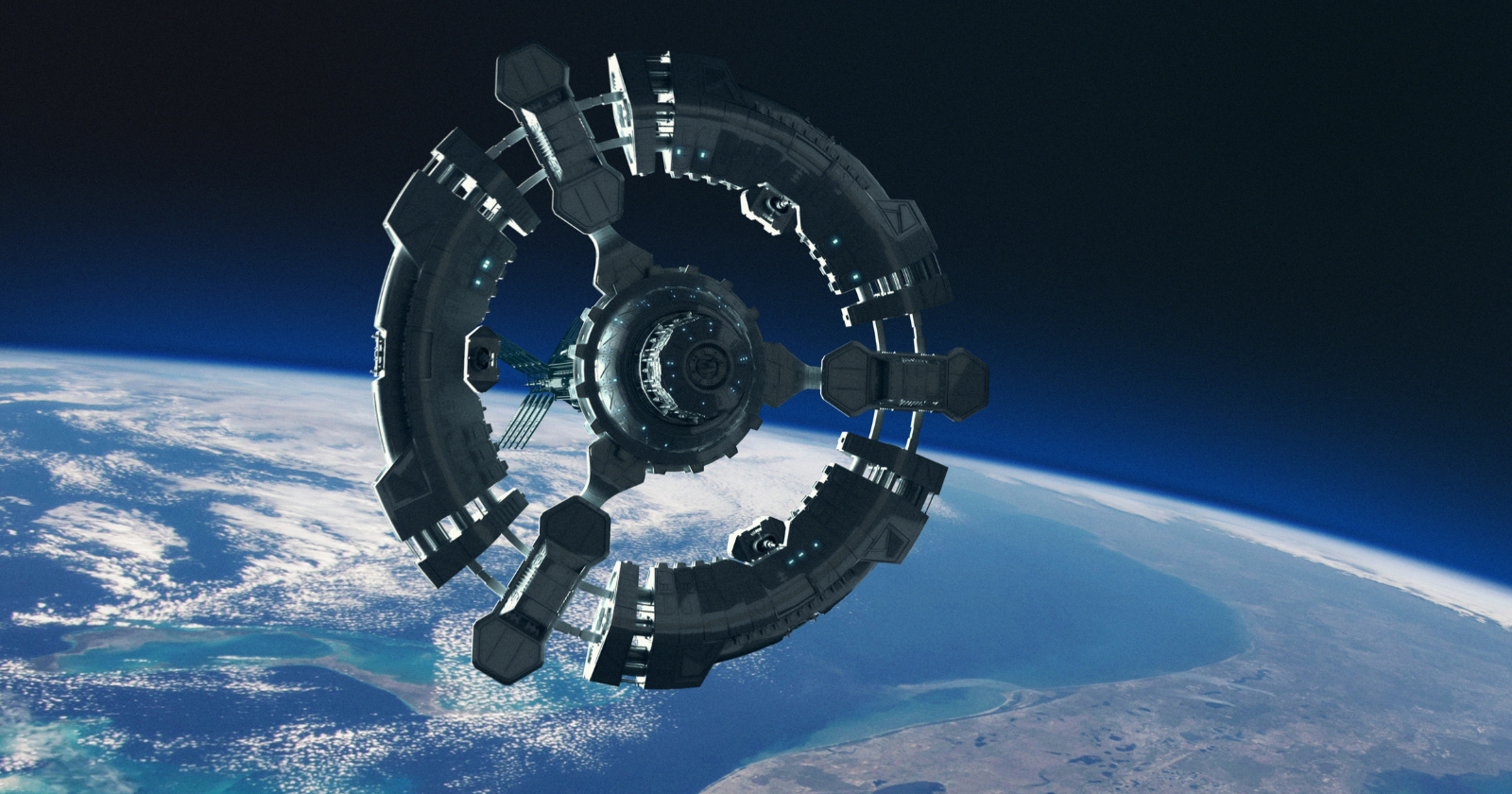
Human beings have now lived continuously aboard the International Space Station since November 2, 2000 – more than 25 consecutive years without a single day when no human was orbiting above the planet – in the longest sustained off-world human presence in the history of the species
Human presence in low Earth orbit has remained unbroken for 25 years since November 2, 2000, according to NASA. While the International Space Station (ISS) is slated for retirement by 2030, revisions to NASA’s Commercial LEO Destinations program in summer 2025 removed the requirement for successor stations to maintain continuous crewed operations from day one.
Will the 25-year streak of continuous human spaceflight end?
The continuous chain of human occupation in space faces its first systemic threat since the arrival of Expedition 1. According to SpaceNews, the institutional momentum that sustained the ISS through pandemics and geopolitical crises may not survive the transition to private infrastructure.
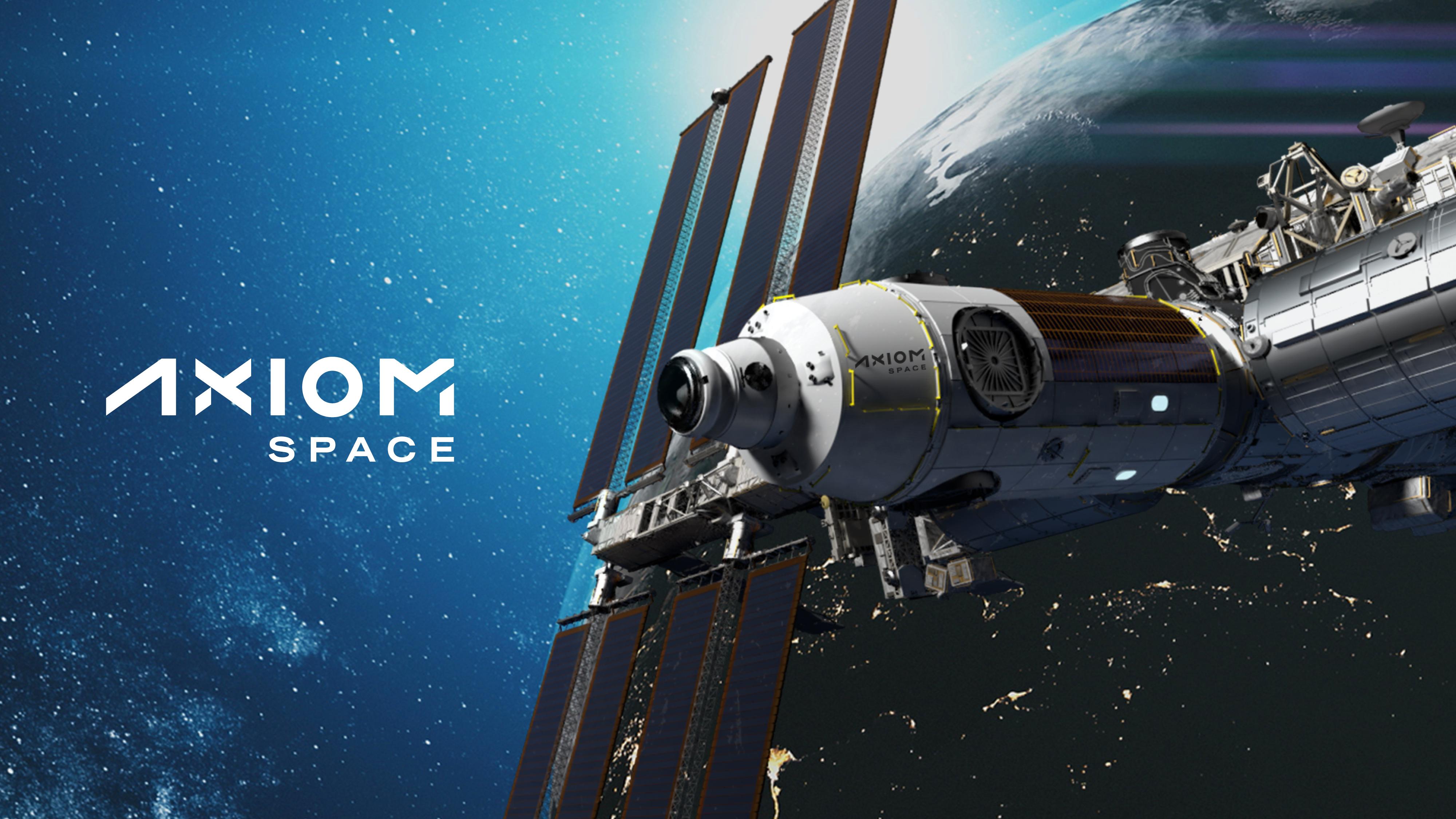
NASA’s summer 2025 policy revisions eliminated the binding commitment that commercial successors must maintain a permanent crew. Companies like Axiom Space, Vast, Starlab, and Orbital Reef are developing stations for the late 2020s and early 2030s, but a gap in habitation is now a regulatory possibility.
Former NASA administrator Jim Bridenstine told the Center for Strategic and International Studies that a gap in presence would be “catastrophic” for both diplomatic relations and scientific progress.
What happens to scientific research during a transition gap?
A break in habitation would halt long-duration physiological studies. The ISS National Lab notes that the station’s continuous presence enabled the “Twin Study” involving Scott and Mark Kelly, which provided foundational data on how the human body changes during year-long missions.

Current research includes cancer drug development and materials science for semiconductor manufacturing. According to NASA, the station has hosted over 4,000 experiments from 110 countries. A gap in presence would stop the real-time monitoring of these biological and chemical processes.
This data is critical for future Mars missions. Without a continuous presence, researchers lose the ability to track the cumulative effects of microgravity and radiation over decades.
How do commercial stations differ from the ISS?
The ISS was a government-led assembly project that took over a decade to complete. As reported by the National Space Society, it grew from three initial modules—Zarya, Unity, and Zvezda—into a complex of 17 pressurized modules totaling 916 cubic meters.
Commercial successors are designed for efficiency and profit. While the ISS routinely hosts seven people and has peaked at 13 during shuttle handovers, private stations may focus on smaller, specialized crews or “paying private citizens,” a trend already started by Axiom Space missions since 2022.
| Feature | International Space Station (ISS) | Commercial Successors |
|---|---|---|
| Funding | Intergovernmental (NASA, Roscosmos, etc.) | Private Investment / NASA Contracts |
| Presence | Continuous since Nov 2, 2000 | No current binding continuity mandate |
| Primary Goal | Global Cooperation & Fundamental Science | Commercial R&D & Space Tourism |
Why is maintaining an orbit so difficult?
The ISS does not simply float. It orbits at 400 kilometers, where a thin layer of atmosphere creates drag. According to technical data, the station descends roughly 100 meters per day.
To prevent the station from falling back to Earth, it requires periodic “re-boosts.” These are performed by Russian module engines or visiting cargo vehicles. If these boosts stop, the orbital decay becomes unmanageable, leading to the station’s eventual reentry.
FAQ: The Future of Low Earth Orbit
The current plan targets retirement by 2030.
Key developers include Axiom Space, Vast, Starlab, and Orbital Reef.
The Soviet Mir station maintained a long-duration presence from 1989 to 1999, but the chain was broken multiple times during crew transitions.
The revisions to the Commercial LEO Destinations program shifted the burden of maintaining continuous operations from a NASA mandate to the commercial developers’ own business models.
What do you think? Should NASA mandate a continuous human presence in space, or is it time to let commercial interests dictate the schedule? Let us know in the comments or subscribe to our newsletter for more updates on the future of orbital habitation.