
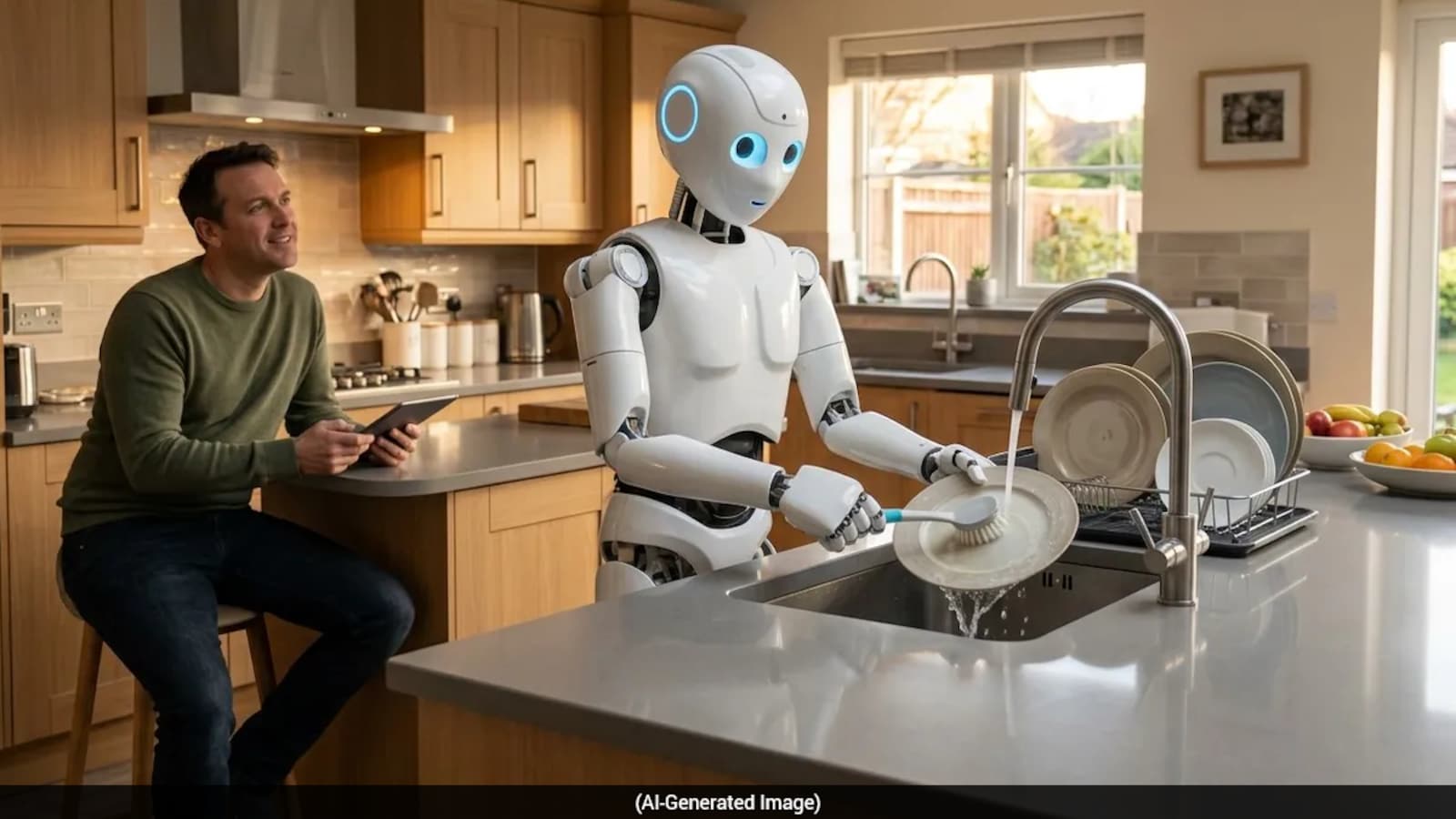
Humanoid Robots: The Gap Between Marketing Hype and Reality
Humanoid robots are currently capable of performing impressive, isolated tasks, but they remain years away from functioning as autonomous, general-purpose workers. While marketing materials often suggest robots are ready for home or industrial use, industry participants at the recent Robotics Summit in Boston confirm that most current models rely on human teleoperation or rigid, pre-programmed paths rather than independent intelligence.
Why aren’t humanoid robots fully autonomous yet?
The primary barrier to full autonomy is a critical shortage of high-quality training data. According to Xinrui Bi of AgiBot, scaling these machines to operate without human intervention is currently impossible due to this data deficit. To bridge this gap, developers are aggressively recording human movements across various environments, from domestic kitchens to industrial textile workshops, to build the necessary datasets for machine learning.
How does AI change the capabilities of modern robots?
Artificial intelligence is accelerating hardware progress, particularly through Vision-Language-Action (VLA) models. William Okazaki of Renesas notes that AI has significantly boosted development speeds by allowing robots to process real-time visual input alongside written instructions. Additionally, “world models” enable robots to predict physical outcomes, such as how an object will shift when gripped, by training on vast libraries of video data.
What are the safety risks of current robotic systems?
Deploying robots in social or workspace environments presents significant safety challenges because AI systems can be non-deterministic. John Black of Brain Corp explains that VLA models function as “black boxes,” meaning even their creators cannot always explain why a robot takes a specific action. Because these machines operate in the physical world, unpredictable behavior poses a direct risk to human safety, necessitating higher standards than those required for software-only AI like chatbots.
Comparison: Trial vs. Production
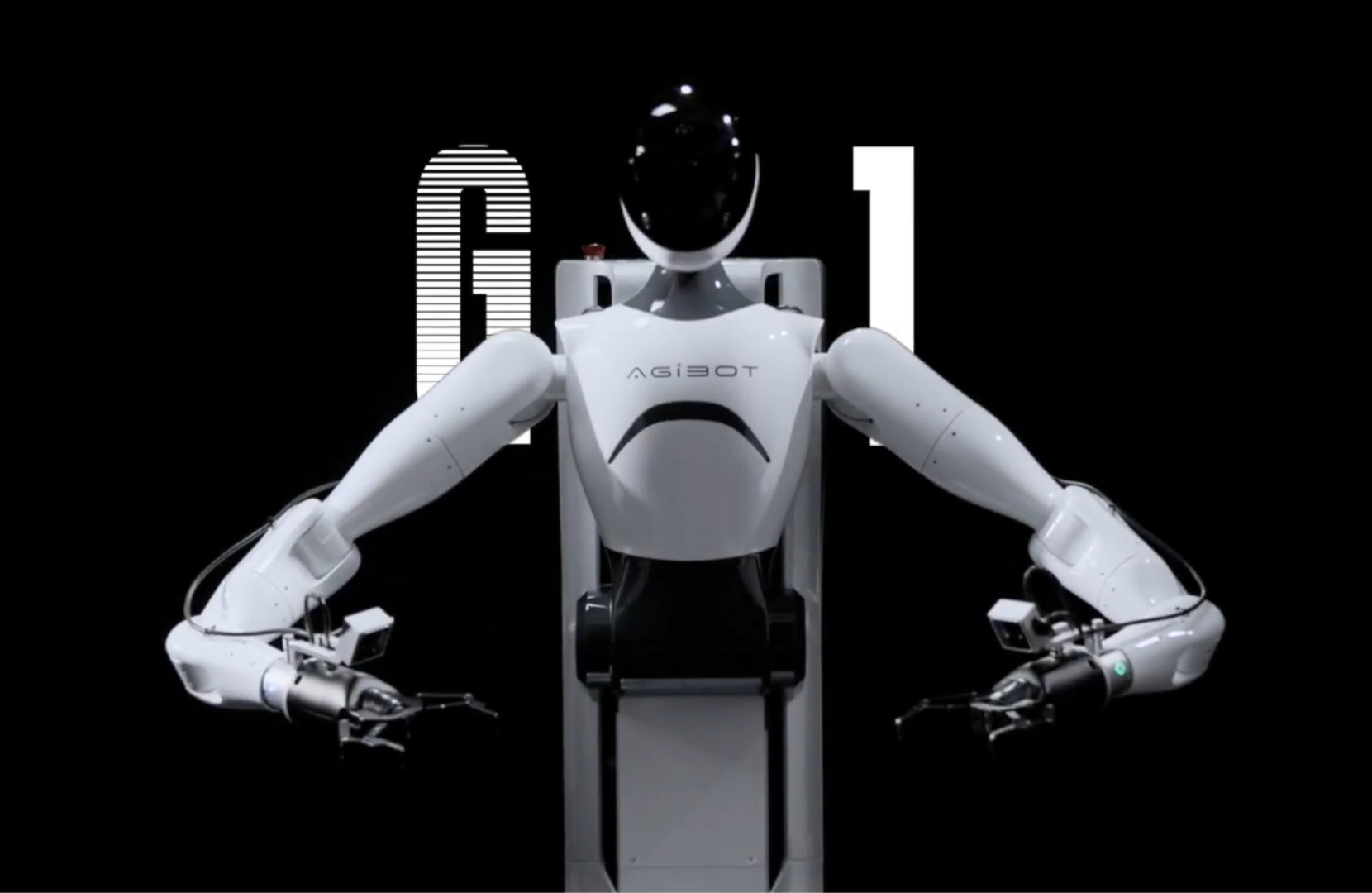
| Robot Model | Developer/User | Status |
|---|---|---|
| Atlas | Boston Dynamics/Hyundai | Trial |
| AEON | Hexagon Robotics/BMW | Trial |
Frequently Asked Questions
- Are humanoid robots available for home use today? No. While some companies market consumer-ready robots, experts like Charlie Kemp of Hello Robot emphasize that current deployments are limited to trials rather than final, fully autonomous products.
- What is a VLA model? It stands for Vision-Language-Action. It is a type of AI that allows a robot to interpret its surroundings and link visual data to specific physical actions.
- Why is touch so difficult for robots to master? Mimicking the delicate grip of a human hand is complex. While developers are making progress with sensors that detect human skin, ensuring the robot does not exert too much force remains a major safety hurdle.
Do you believe humanoid robots will become a common sight in our homes within the next decade? Share your thoughts in the comments below or subscribe to our newsletter for the latest updates on robotics and AI integration.