
:watermark(https://f.pmo.ee//logos/4133/bb989514d16b88b940b51f02e07642d0.png,-2p,-2p,0,18,none):format(webp)/nginx/o/2026/06/04/17687723t1ha9a9.jpg "Hungary Introduces Term Limits for Prime Minister Position")
Hungary Introduces Term Limits for Prime Minister Position
The Hungarian Parliament passed amendments limiting the Prime Minister’s term of office, fulfilling a key “regime change” campaign promise by Prime Minister Péter Magyar. The measure passed with 135 votes in favor, 50 against, and six abstentions, creating a legal barrier to prevent the indefinite concentration of executive power in Hungary.
Why did Hungary implement Prime Minister term limits?
Prime Minister Péter Magyar introduced these limits to stop the concentration of power within the executive branch. According to Magyar, unlimited tenure allows a leader to dismantle and reshape a nation’s political system to increase personal control.
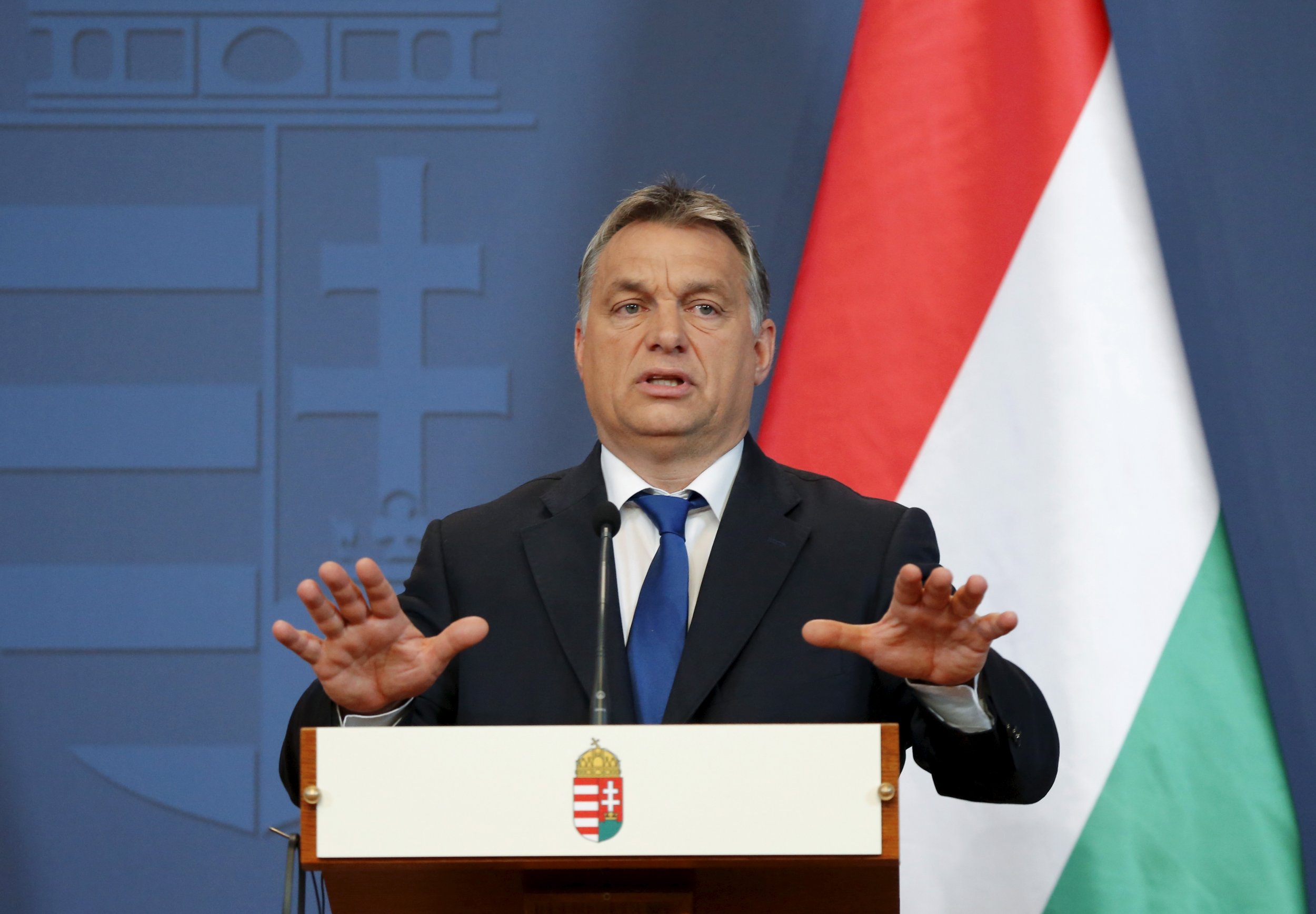
Magyar specifically pointed to the 16-year tenure of his predecessor, Viktor Orbán, as the primary example of this risk. He argued that the previous administration’s long-term hold on power led to systemic changes that favored the incumbent over democratic checks and balances.
How was the legislation passed in Parliament?
The amendment secured a clear majority in the 199-seat parliament. The final tally recorded 135 votes in favor and 50 against, with six deputies abstaining. This result provided the necessary legal threshold to implement the change immediately.
The vote highlighted a sharp divide between the new administration and the previous ruling party. Orbán’s party opposed the restrictions, claiming that term limits unfairly restrict the “will of the people” by preventing voters from choosing a preferred leader repeatedly.
Comparing Executive Term Limits in Hungary
While the Prime Minister’s office was previously unrestricted, other high-level roles already faced limits. The following table illustrates the current state of executive constraints in Hungary:
| Office | Term Limit Status | Restriction Detail |
|---|---|---|
| President | Limited | Max two five-year terms |
| Prime Minister | Now Limited | Newly enacted via parliamentary vote |
What happens next for Hungarian governance?
The shift toward term limits suggests a broader trend of “de-concentration” in Hungarian politics. By aligning the Prime Minister’s restrictions with those of the presidency, the government aims to ensure a regular rotation of leadership.
This move mirrors patterns seen in other European democratic frameworks where term limits are used as a safeguard against authoritarian drift. The focus remains on whether these legal barriers can withstand future political shifts or if they will be challenged by subsequent administrations.
Frequently Asked Questions
Who is Péter Magyar?
Magyar is the pro-European Prime Minister of Hungary who defeated Viktor Orbán on a platform of regime change.
How many votes were needed to pass the term limits?
The measure required a two-thirds majority of the 199-seat parliament to avoid a referendum; it passed with 135 votes.
Was the Hungarian President already limited?
Yes. The President can only be elected once to a second five-year term.
Want to stay updated on European political shifts? Subscribe to our political analysis newsletter or leave a comment below with your thoughts on term limits in modern democracies.