
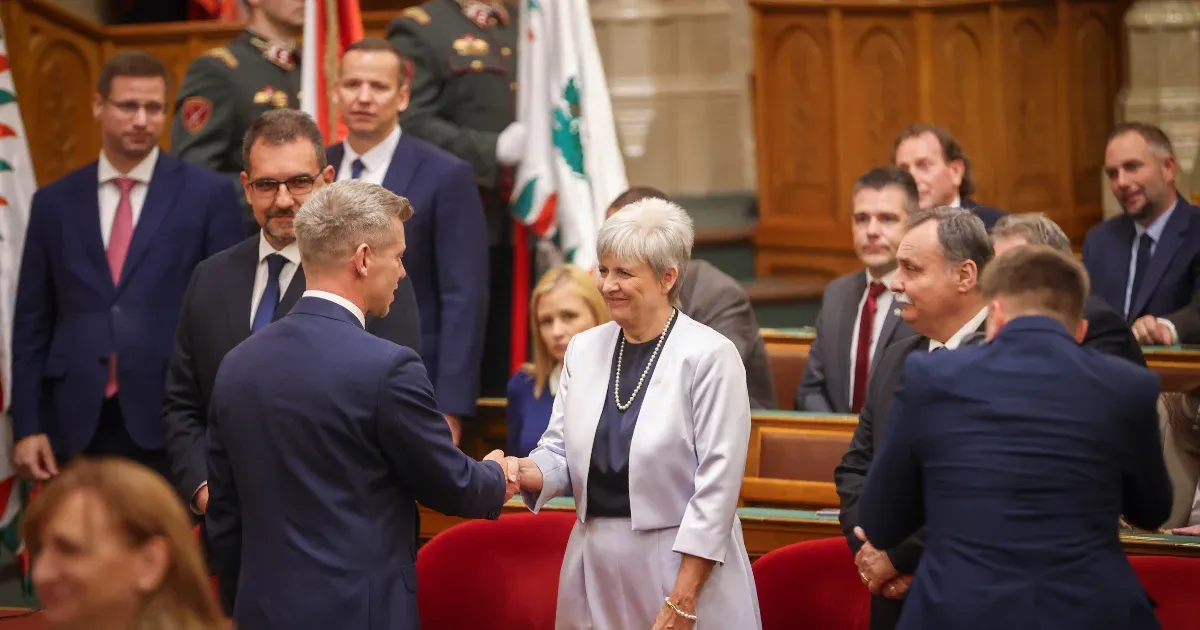
Hungary to Restore Teacher Input in School Principal Appointments
The Shift Toward Democratic Leadership: Why the Future of Education is Bottom-Up
For decades, the school principal was viewed as the undisputed captain of the ship—a top-down administrator whose primary role was to enforce policy and maintain order. However, a global shift is underway. From Central Europe to Scandinavia, there is a growing realization that the “command and control” model is failing both teachers and students.
The move toward allowing faculty members to voice their opinions on leadership appointments isn’t just a bureaucratic change; it is a fundamental shift in educational philosophy. When teachers have a say in who leads them, the result is a culture of trust, higher retention rates, and a more cohesive learning environment.
The “Atmosphere Effect”: How Leadership Shapes Learning
We often talk about pedagogy and curriculum, but we rarely discuss “school climate.” Yet, the psychological safety of a school is the invisible foundation upon which all learning happens. A principal who is imposed from above often struggles with legitimacy, leading to a fragmented staff and a tense atmosphere that students instinctively feel.
Research from the OECD consistently shows that schools with “distributed leadership”—where decision-making is shared among staff—tend to have higher student achievement scores. When teachers feel valued, their passion translates directly into the classroom, creating a ripple effect that benefits the children.
Child-Centered Pedagogy: Moving from Rote to Relevance
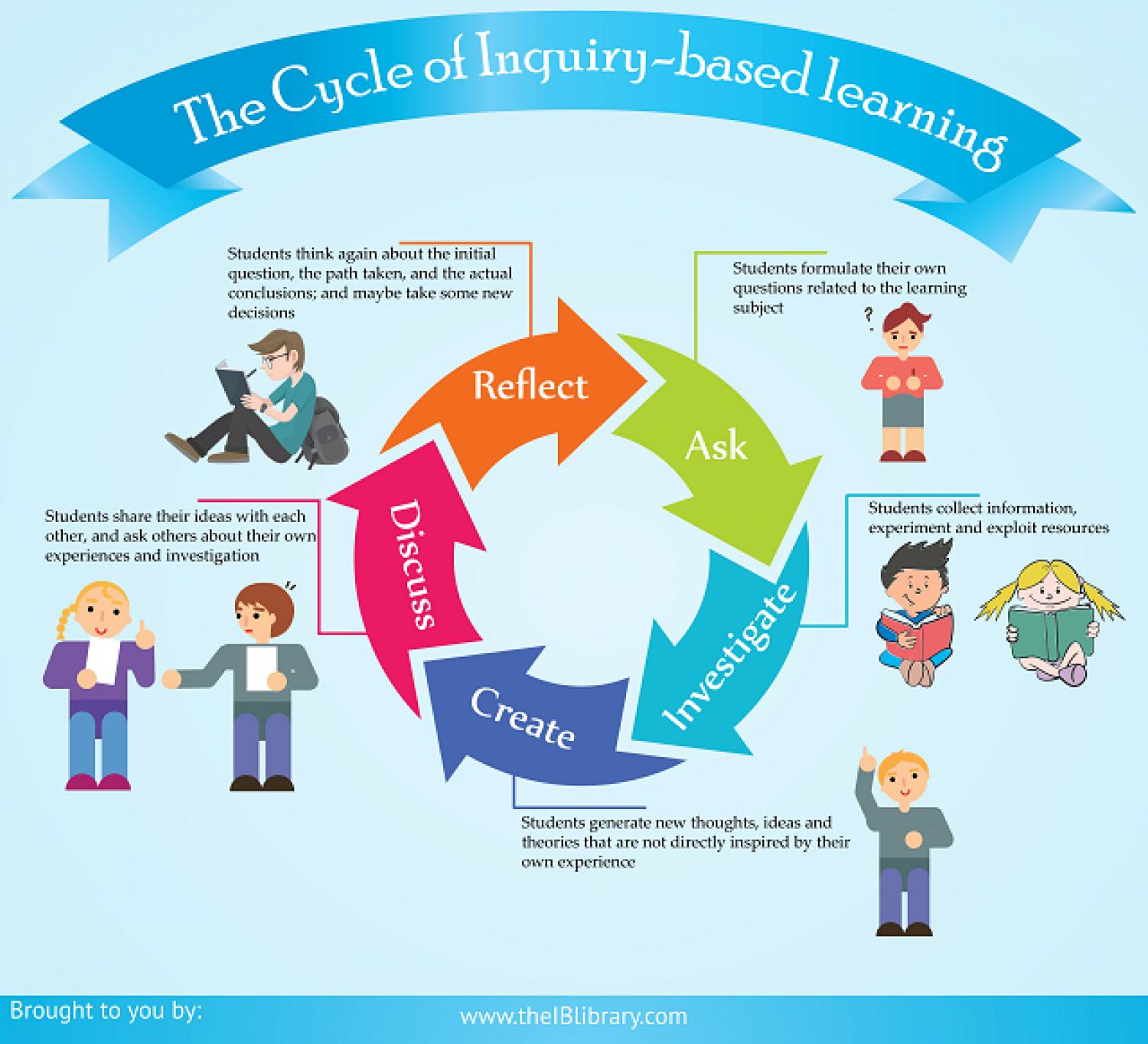
The trend toward “child-centered education” is more than just a buzzword. It represents a departure from the industrial-age model of schooling, where students are treated as identical units on an assembly line. The future of education is pivoting toward flexibility and personalization.
The “Less is More” Curriculum
One of the most provocative trends in modern education is the reduction of the number of mandatory subjects. The logic is simple: by teaching fewer things more deeply, students develop critical thinking skills rather than just memorizing facts they can find on a smartphone in three seconds.
Consider the “Phenomenon-Based Learning” approach used in Finland. Instead of isolated subjects like history, geography, and economics, students might study a “phenomenon”—such as climate change—integrating all three disciplines into one project. This makes learning contextual and meaningful.
The Autonomy Paradox: More Freedom, Better Results
There is a common fear that giving schools more autonomy leads to a drop in standards. In reality, the opposite is often true. When schools are granted the freedom to adapt their schedules and teaching methods to their specific community, they become more innovative.
For example, some schools are experimenting with “flexible scheduling,” moving away from the rigid 45-minute bell system. By allowing for longer, immersive blocks of time, students can enter a “flow state,” which is essential for complex problem-solving and creative work.
To see how this works in practice, explore our guide on innovative schooling models and how they impact student mental health.
Rebuilding Trust in Public Systems
The crisis of trust in public education is a global phenomenon. Teachers feel undervalued, and parents feel the system is outdated. Rebuilding this trust requires transparency. When a prospective principal’s “vision programme” is made public for the community to discuss, it transforms the appointment from a political act into a social contract.
This transparency ensures that the leader is not just a manager, but a visionary who is aligned with the values of the parents and the needs of the students.
Frequently Asked Questions
Does teacher input in leadership appointments lead to “popularity contests”?
Not necessarily. When structured as a professional evaluation of a candidate’s vision and programme, it ensures that the leader has the professional respect of their peers, which is essential for effective implementation of any reform.
What is the main goal of child-centered education?
The goal is to shift the focus from the delivery of content to the development of the child. This includes prioritizing emotional intelligence, critical thinking, and the student’s individual pace of learning.
How does school autonomy improve student outcomes?
Autonomy allows schools to pivot quickly to meet local needs. Whether it’s integrating local industry partnerships or adjusting the curriculum for a specific demographic, autonomy replaces “one-size-fits-all” with “what works here.”
Join the Conversation
Do you believe teachers should have a vote in who leads their school? Or should leadership remain a top-down appointment to ensure objectivity? We want to hear from educators and parents alike.
Leave a comment below or subscribe to our newsletter for more insights into the future of global education.