

HyperMillennium: The Largest Universe Simulation with 4.2 Trillion Particles
The global scientific community has achieved a significant milestone in our quest to understand the origins of the cosmos with the creation of HyperMillennium. Led by researchers from China, this project represents the most extensive cosmological simulation in human history, utilizing a digital replica to map the evolution of the universe within a supercomputer environment.
A New Digital Frontier
HyperMillennium is designed to serve as a critical instrument for unraveling the mysteries of dark matter and dark energy. By reconstructing the structural development of the universe over the last 10 billion years—from the period shortly after the Big Bang to the present day—scientists can now observe the gravitational forces that shaped galaxies and cosmic clusters in a controlled environment.
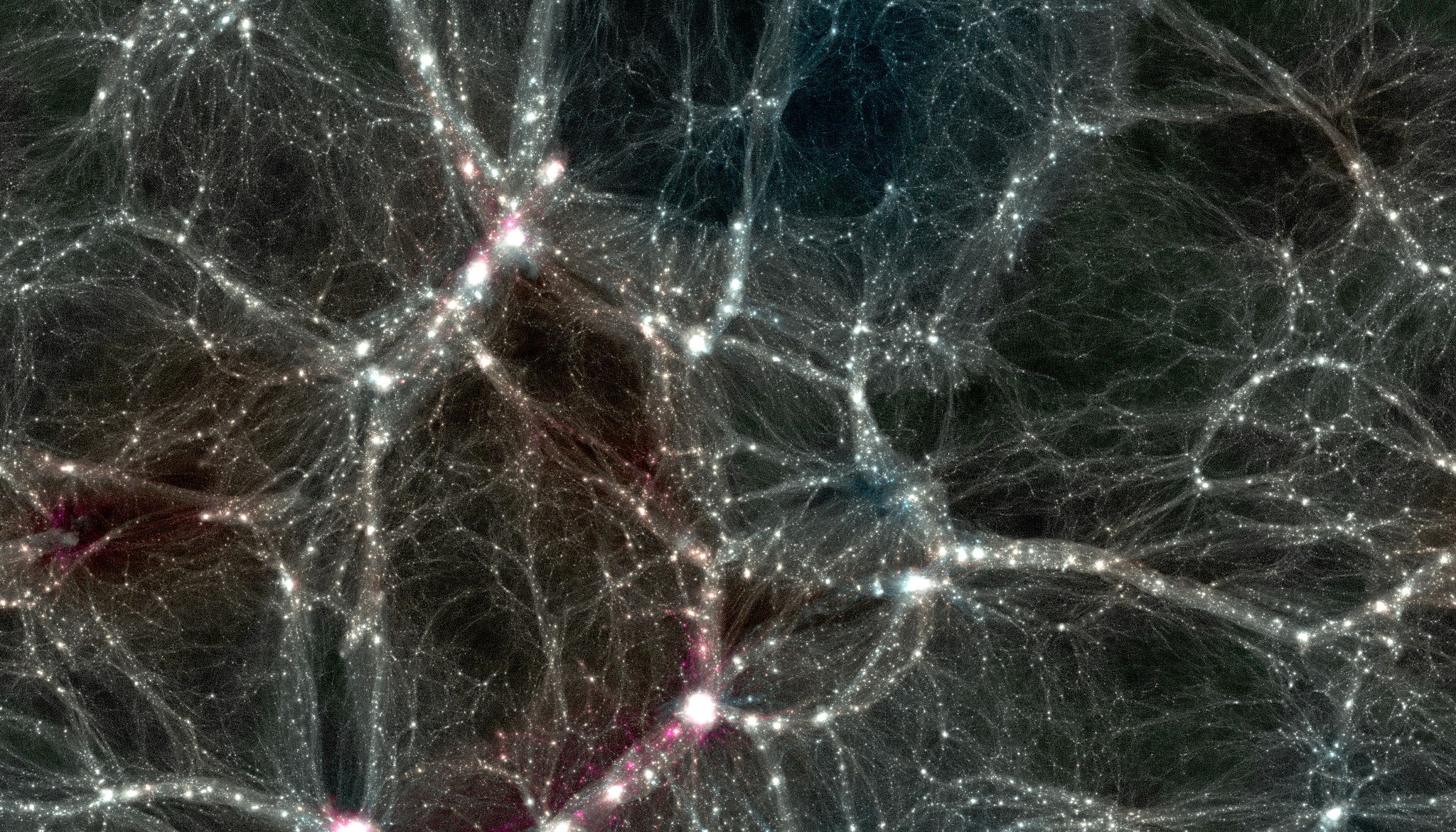
The simulation operates within a vast virtual cube measuring 12 billion light-years on each side. It utilizes 4.2 trillion virtual dark matter particles, processed through the innovative PhotoNs software, which was specifically engineered to optimize the performance of domestic supercomputers in China.
The Significance of Cosmic Data
The sheer scale of this project has produced 13 petabytes of data, providing a high-resolution foundation for future astronomical research. Wang Qiao of the National Astronomical Observatories of the Chinese Academy of Sciences (NAOC) noted that this technology allows researchers to study rare cosmic structures without sacrificing statistical analytical strength.
Future Implications and Research
Looking ahead, HyperMillennium is expected to become an essential tool for upcoming missions, including the Euclid mission led by the European Space Agency (ESA) and various Chinese space telescope projects. Because the simulation provides a precise catalog of galaxy positions and brightness levels, it will likely serve as a primary reference point for calibrating future observational data.
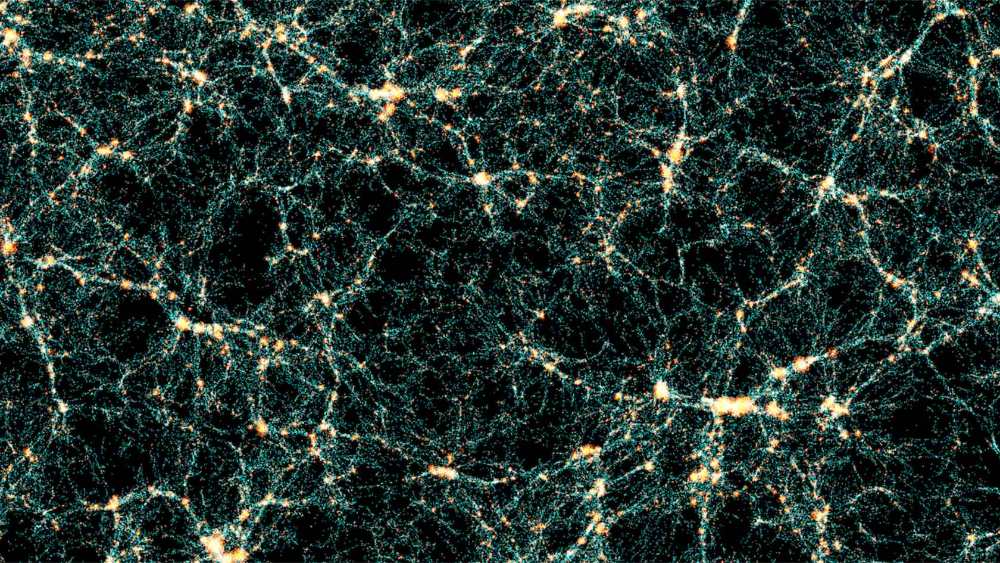
The ability to test various physics models regarding galaxy formation in a virtual space suggests that researchers may soon accelerate the pace of discovery regarding the universe’s earliest conditions. As the boundary between direct observation and computer simulation continues to thin, the global research community is positioned to rely on these datasets for years to come.
Frequently Asked Questions
What is the primary function of the HyperMillennium simulation?
HyperMillennium is a digital tool designed to reconstruct the evolution of the universe over the last 10 billion years to help scientists investigate dark matter and dark energy.
How much data did this project generate?
The simulation produced a total of 13 petabytes of data, encompassing both raw information and processed findings.
Which space missions will utilize this data?
The data is expected to support future observational projects, including the Euclid mission by the European Space Agency and various Chinese space telescope initiatives.
How do you believe the ability to simulate the evolution of the universe will change our perspective on the future of space exploration?