

I tried the Surface Laptop Ultra at Computex, and it’s clear: Microsoft means business
The Microsoft Surface Laptop Ultra, unveiled at Computex 2026, marks the debut of Nvidia’s RTX Spark processor, an ARM-based chip designed to deliver up to 1 petaflop of AI performance. Featuring 20 CPU cores and up to 128GB of unified memory, the device aims to bridge the gap between portable ultrabooks and high-end workstations, rivaling the performance of a desktop-grade GeForce RTX 5070.
Why the RTX Spark Processor Changes Mobile Computing
The RTX Spark represents a shift toward local AI processing rather than relying on cloud-based compute. According to Microsoft, the chip’s architecture is built explicitly to handle large language models and complex datasets directly on the device. By integrating up to 128GB of unified memory, the Surface Laptop Ultra allows developers and creative professionals to run massive AI models without the latency issues associated with remote servers.
How the Surface Laptop Ultra Stacks Up Against Traditional Workstations
In hands-on testing at Computex, the Surface Laptop Ultra demonstrated video editing and gaming capabilities that previously required bulky, power-hungry gaming laptops. While standard ultrabooks often throttle under sustained load, Microsoft implemented a dual-fan, dual-heat pipe cooling system that keeps the RTX Spark performing under pressure. The chassis design is physically raised to prioritize airflow, a necessity when pushing performance equivalent to a discrete RTX 5070 in a slim form factor.
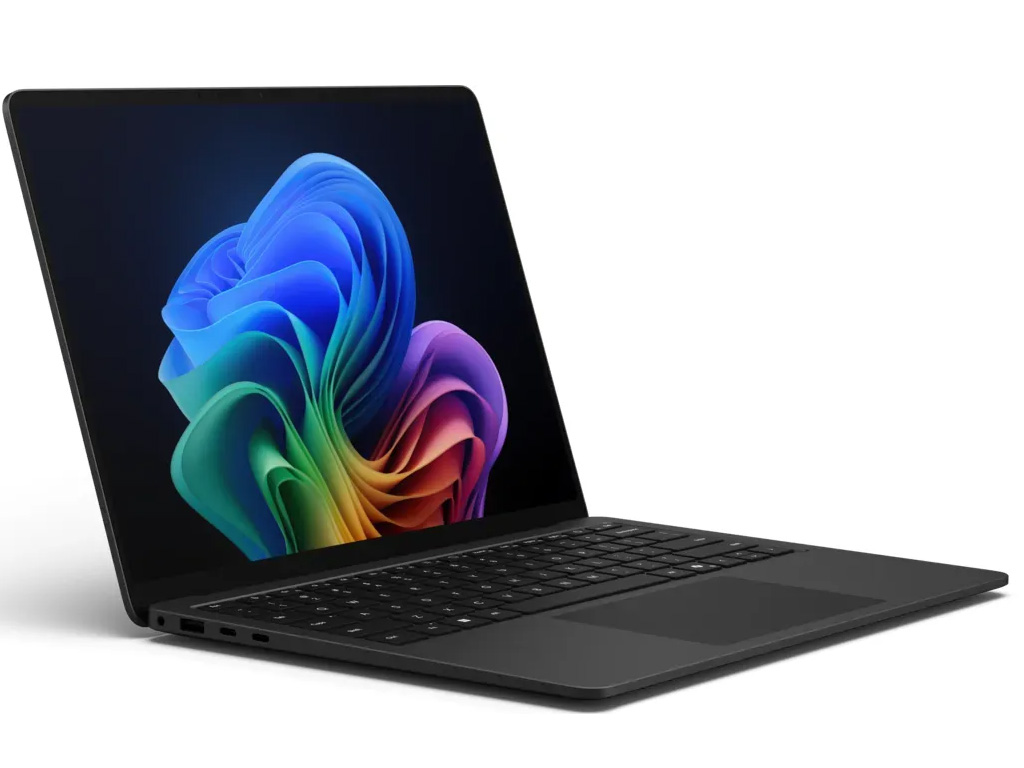
Comparing this to the current market, the Surface Ultra prioritizes “pro-creator” branding over the slim, budget-focused targets of devices like the Dell XPS 13 or the Acer Swift Air 14. While the XPS 13 targets a $599 entry point for general users, the Surface Laptop Ultra is expected to enter the market at a $2,500-plus price floor, targeting a segment that demands high-fidelity 2,000-nit HDR mini-LED displays and professional-grade port selection, including HDMI and SD card readers.
What Happens Next: The Unknowns of Pricing and Battery Life
Despite the technical prowess of the RTX Spark, several critical questions remain for potential buyers. First, the power consumption of a 3,000-nit mini-LED display combined with a high-performance chip remains a concern. While Microsoft representatives expressed confidence in the efficiency of the new SoC, real-world battery testing will be the ultimate judge once the device hits the market in late 2026.
Second, the tiered pricing structure is still under wraps. Based on the hardware specs, it is highly improbable that a 16GB RAM configuration will be offered, as such a low memory ceiling would severely limit the “AI-first” capabilities that define the RTX Spark. Users should prepare for a premium entry price, with high-end configurations likely exceeding $4,000.
Did you know?
The Surface Laptop Ultra features modular internal components marked with QR codes. This suggests a shift toward better repairability, allowing users to easily swap out the SSD or battery, a rarity in the thin-and-light laptop category.
Frequently Asked Questions
- When will the Surface Laptop Ultra be available? Pre-orders are expected to open in late summer or early fall 2026, with shipping to follow shortly after.
- What makes the RTX Spark different from standard CPUs? It is an ARM-based chip specifically engineered for AI workflows, offering up to 1 petaflop of performance and unified memory architecture.
- Is the Surface Laptop Ultra user-repairable? Yes, the backplate is designed to be removable, providing direct access to the battery and SSD, with components tagged for easier identification.
- How does the performance compare to a dedicated GPU? Microsoft claims the RTX Spark provides roughly the equivalent power of a GeForce RTX 5070, making it capable of handling demanding creative and gaming tasks.
Are you considering a move to an AI-focused workstation, or are you waiting for more real-world benchmark data? Share your thoughts in the comments below or subscribe to our newsletter for the latest updates on 2026 hardware releases.