

IAEA Chief Welcomes Technical Work on US-Iran Nuclear Deal
The International Atomic Energy Agency (IAEA) has begun technical work on a memorandum of understanding between the U.S. and Iran. According to IAEA Director General Rafael Mariano Grossi, the deal proposes a 60-day negotiation window to address uranium enrichment, sanctions relief, and the immediate cessation of military operations in Lebanon.
Media reports indicate the memorandum sets a strict 60-day deadline for negotiators to reach a final agreement. The terms require Iran to reaffirm it has no intention of developing a nuclear weapon and to reach a deal on its uranium enrichment levels. According to the reported text, the agreement also demands the reopening of the Strait of Hormuz to all shipping traffic.
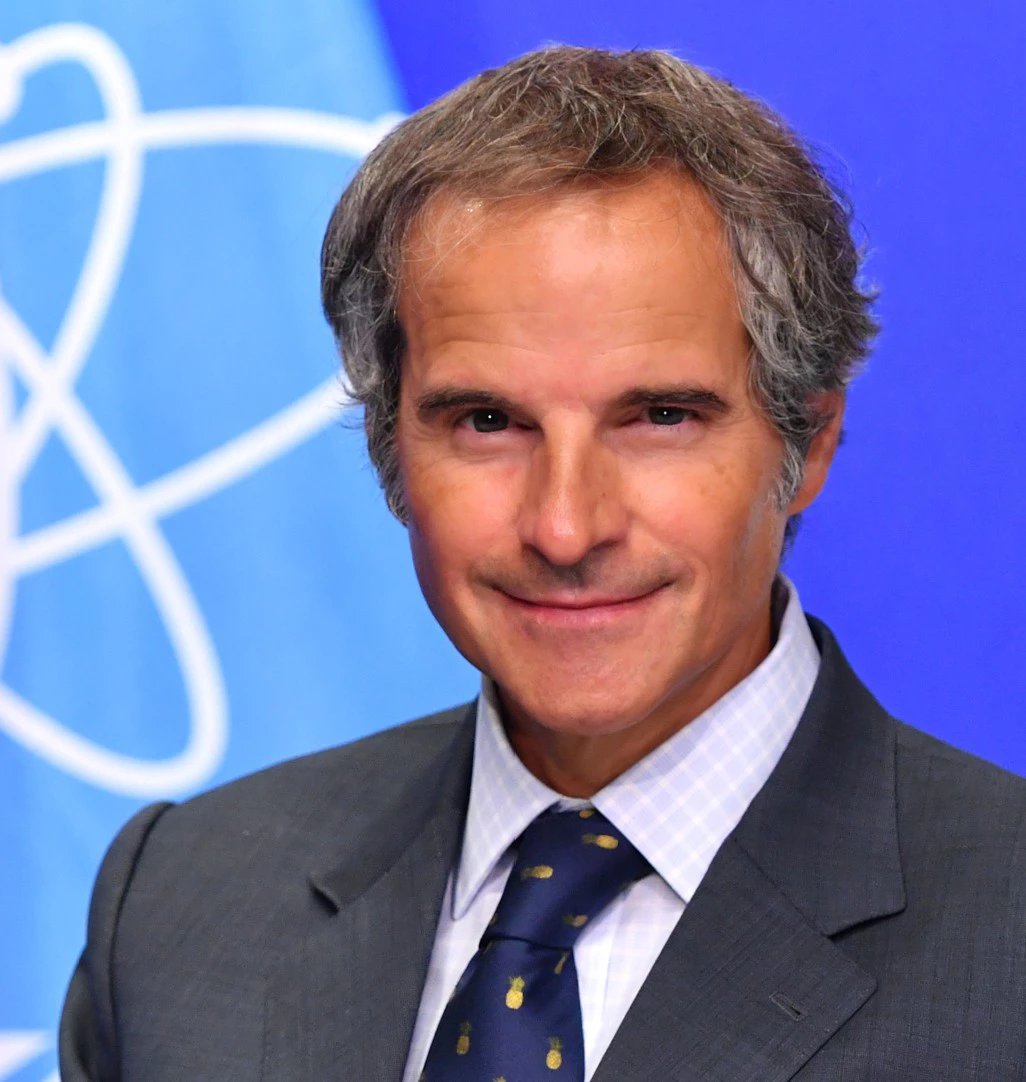
Rafael Mariano Grossi told reporters at the UN in Geneva that the recognition of the IAEA’s “indispensable role” serves as a sound starting point. He stated that the agency must now work with American and Iranian colleagues to formulate concrete steps. “Now the technical work starts,” Grossi said.
What are the terms of the U.S.-Iran nuclear memorandum?
The memorandum consists of 14 points. The most prominent requirement is the “immediate and permanent termination of military operations on all fronts,” specifically mentioning Lebanon. This links nuclear diplomacy directly to regional ceasefire efforts.
In exchange for nuclear concessions, the text outlines an easing of sanctions imposed by the U.S. and the UN Security Council. The goal is to create a reciprocal framework where security guarantees and economic relief mirror the reduction in nuclear capabilities.
How will the IAEA monitor Iranian uranium enrichment?
Grossi confirmed that the agency currently lacks the necessary access to all Iranian nuclear facilities. He stated that access is “not at a level and in all the locations it should be.” However, he noted that the IAEA has a “pretty good idea” of the specific sites requiring inspection.
When asked about reducing enrichment levels, Grossi refused to name a specific target. He noted that “many, many possibilities” exist and that the agency will evaluate the different ranges of enrichment currently in the Iranian inventory once an agreement is reached.
Why is the Strait of Hormuz included in nuclear talks?
The inclusion of the Strait of Hormuz transforms the memorandum from a narrow nuclear deal into a broader security pact. Because the Strait is a global chokepoint for oil shipments, its stability affects global energy prices and international trade.
By tying the reopening of the Strait to nuclear enrichment levels, the memorandum uses economic leverage to ensure compliance. This approach differs from previous frameworks that focused almost exclusively on centrifuges and inspectors.
Comparison: Current Status vs. Proposed Goals
| Issue | Current State (per IAEA) | Proposed Goal |
|---|---|---|
| Facility Access | Insufficient/Limited | Full IAEA access to all sites |
| Military Action | Active operations (incl. Lebanon) | Immediate, permanent termination |
| Sanctions | U.S. and UN sanctions active | Strategic easing of sanctions |
FAQs About the IAEA and Iran Negotiations
What is the IAEA’s main role in this deal?
The IAEA acts as the objective monitor. It verifies that nuclear materials aren’t diverted for weapons and reports these findings to the UN.
How long do the negotiations last?
According to media reports, the memorandum provides a maximum of 60 days to reach a final deal.
Does the IAEA control the sanctions?
No. The IAEA monitors technical compliance, but the U.S. and the UN Security Council control the imposition and removal of sanctions.
For more analysis on global security and diplomatic treaties, explore our Global Security archive.
Stay Informed on Nuclear Diplomacy
Do you think a 60-day window is realistic for a final deal? Share your thoughts in the comments below or subscribe to our newsletter for real-time updates on UN negotiations.